
The P-Shot Explained: What It Is, How It Works, and Who It's For
The P-Shot is a platelet-rich plasma treatment injected into penile tissue to improve erectile function, address Peyronie's disease, enhance sensitivity, and in some cases modestly increase size. Dr. Farhan Abdullah explains the biological mechanism behind PRP in sexual medicine, what the procedure actually involves (it's less intimidating than most men expect), who responds best, and what realistic outcomes look like across the 12 to 18 month window following treatment. If you've been curious about the P-Shot but haven't asked your doctor, this is where to start.
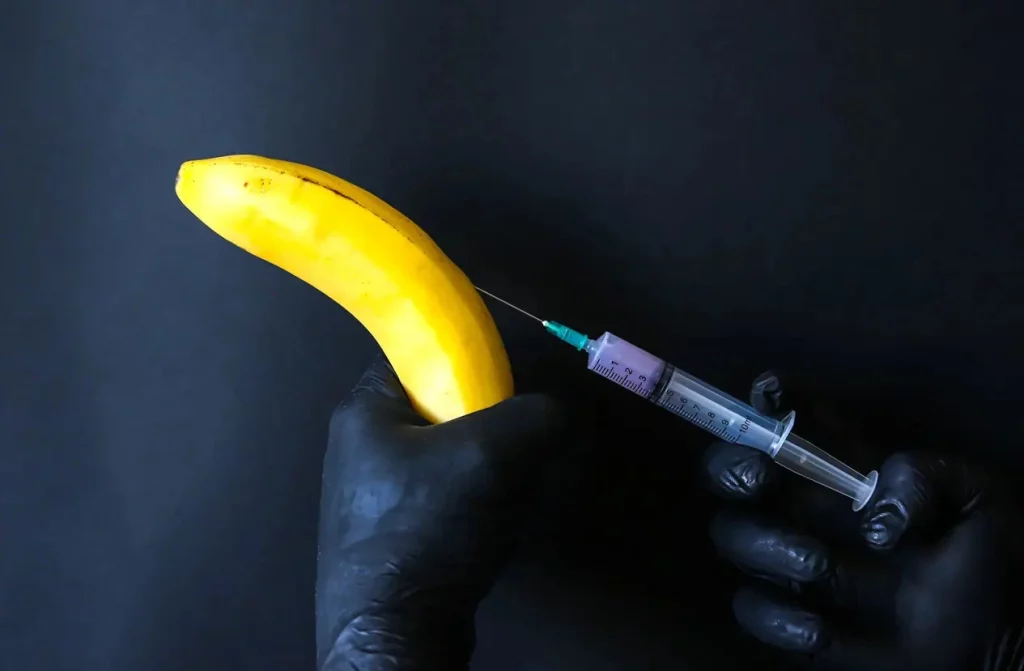


Men's sexual health is one of those areas where a lot of people have questions and very few ask them out loud. Erectile dysfunction affects an estimated 30 million men in the United States, and conditions like Peyronie's disease -- penile curvature caused by internal scar tissue -- are far more common than most men realize. Yet the conversation between patient and physician often doesn't happen until things have been quietly deteriorating for years.
The P-Shot, short for Priapus Shot, is a platelet-rich plasma treatment applied to penile tissue for the purposes of improving sexual function, treating erectile dysfunction, addressing Peyronie's disease, and in some cases enhancing sensitivity and size. At Magnolia Functional Wellness, I offer the P-Shot in Southlake as part of our men's health and regenerative medicine program, and I want to explain clearly what it is, what the procedure involves, and who's a realistic candidate.
What Is PRP and Why Apply It to the Penis?
Platelet-rich plasma is derived from your own blood. We draw a small sample, spin it in a centrifuge to concentrate the platelets, and then use that concentrated plasma -- which is rich in growth factors including PDGF, VEGF, TGF-beta, and IGF -- therapeutically. PRP is well-established in orthopedic medicine for tendon and joint injuries, in dermatology for skin rejuvenation, and in hair restoration. The application to sexual medicine follows the same biological logic: concentrated growth factors stimulate tissue repair, angiogenesis (new blood vessel formation), and cellular regeneration in the target tissue.
In the penis specifically, PRP is injected into the corpus cavernosum -- the spongy erectile tissue -- and sometimes the glans. The goal is to stimulate new blood vessel growth, improve nerve sensitivity, support smooth muscle tissue in the erectile chambers, and in the case of Peyronie's disease, promote breakdown and remodeling of fibrous plaque.
What the Procedure Actually Looks Like
I want to be straightforward about this because men often avoid asking. The procedure is more straightforward than most patients expect, and discomfort is minimal when done correctly.
A topical numbing cream is applied 20 to 30 minutes before the injections. Most patients describe the actual injection as pressure rather than pain -- the numbing is effective. The entire procedure takes about 30 to 45 minutes from blood draw to completion. There's no incision, no general anesthesia, and no significant downtime. Most men return to normal activities the same day, though we recommend waiting 24 to 48 hours before sexual activity.
After the procedure, we typically recommend use of a vacuum erection device for 10 minutes daily for several weeks. This isn't optional busywork -- the mechanical engorgement works synergistically with the PRP by driving blood flow into the tissue while the growth factors are actively promoting new vessel and tissue formation. The combination produces better outcomes than the injection alone.
What It's Used For
Erectile Dysfunction
This is the most common indication. ED affects men across a wide age range and has multiple contributing causes -- vascular, neurogenic, hormonal, and psychological. PRP works primarily on the vascular and tissue components: improving blood vessel density and quality in erectile tissue, supporting smooth muscle health, and potentially enhancing nerve sensitivity. Several published studies have shown improvements in erectile function scores following PRP injection, and a double-blind placebo-controlled trial published in the Journal of Sexual Medicine found statistically significant improvements in men with mild to moderate ED.
Peyronie's Disease
Peyronie's disease -- where fibrous plaque forms inside the penis causing curvature, pain, and sometimes significant functional impairment -- is an area where PRP has some of the most compelling recent data. A 2025 prospective study of 72 patients found significant reductions in plaque size and penile curvature angle after a series of PRP injections, with improvements in erectile function scores as well. I'll cover this application in more detail in a dedicated article.
Sensitivity and Sexual Function
Some men pursue the P-Shot specifically for reduced penile sensitivity -- a complaint that becomes more common with age, diabetes, and certain medications. The nerve-supportive effects of PRP growth factors are plausible biologically, and patient-reported improvements in sensation are common, though this outcome is harder to measure objectively in published trials.
Size Enhancement
This is a topic that deserves its own careful discussion, which we've dedicated a separate article to. The short version: there's emerging data suggesting modest gains in length and girth are possible, particularly with multi-session protocols combined with vacuum therapy, but the evidence is still early-stage and results vary considerably between individuals.
Who Is a Good Candidate
The P-Shot works best for men with mild to moderate ED who have intact vascular function -- meaning blood flow to the penis is present but suboptimal, not completely absent due to severe arterial disease. Men with ED secondary to nerve damage (post-radical prostatectomy, for example) may see less benefit, though some response is still possible. Men with early to moderate Peyronie's disease, particularly those in the active inflammatory phase, tend to respond well.
It's also worth knowing that the P-Shot doesn't replace foundational treatment. If your testosterone is low, your metabolic health is poor, or you're taking medications that affect erectile function, those need to be addressed alongside or before PRP. I always do a comprehensive intake -- including hormone labs -- before recommending the P-Shot in isolation. Treating the symptom without understanding the cause is rarely the right approach.
What to Realistically Expect
Results develop gradually over weeks to months as tissue remodeling occurs. Some men notice early improvements in morning erections and spontaneous function within the first few weeks. The fuller picture -- improved erectile quality, sensation changes, and any size changes -- typically takes two to three months to assess. Results from a single treatment often last 12 to 18 months. Many men opt for annual maintenance treatments.
I want to be honest: not every man responds equally. Response rates in published studies range from about 60 to 75% for erectile function improvements. The P-Shot isn't a guaranteed fix, and anyone presenting it as such isn't being straight with you. What it is, is a low-risk, biologically rational intervention with a meaningful evidence base and no serious adverse effects when performed correctly -- which makes it worth a serious conversation for the right patient.
Your Questions Answered
Led by trained medical professionals delivering safe, effective, and scientifically backed aesthetic and wellness treatments.
Is the P-Shot painful?
Significantly less than most men expect. A topical numbing cream is applied to the treatment area 20–30 minutes before the procedure and allowed to take full effect before any injection occurs. By the time Dr. Abdullah administers the PRP, the area is thoroughly anesthetized. During the injection itself, most men report feeling pressure rather than pain. Some describe a mild stinging sensation that lasts only seconds. The procedure takes just a few minutes once the anesthetic has worked. After the procedure, mild swelling or sensitivity at the injection site is normal and typically resolves within 24–48 hours. Most men find the experience far less uncomfortable than they anticipated — the anxiety beforehand is usually worse than the procedure itself.
Can the P-Shot be combined with TRT?
Not only can it — for many men with ED that has both hormonal and vascular components, combining the P-Shot with TRT produces significantly better outcomes than either treatment alone. Here's why: testosterone is essential for maintaining the vascular and smooth muscle tissue integrity that erectile function depends on. Low testosterone creates a suboptimal environment for the regenerative signals PRP delivers. When you optimize testosterone first — or simultaneously — you're essentially preparing the soil before you plant. The PRP has a healthier tissue environment to work with. Dr. Abdullah evaluates your testosterone levels before recommending any sexual health treatment. If both TRT and the P-Shot are indicated, he designs a protocol that sequences and combines them appropriately. He may also recommend tadalafil alongside these treatments, as daily PDE5 inhibitors support penile vascular health between regenerative treatments.
How long before I see results from the P-Shot?
The regenerative process takes time. Most men begin noticing changes — improved sensitivity, firmer erections, better response to stimulation — within 2–6 weeks as new vascular tissue and nerve repair begins. The most significant improvements typically develop over 2–3 months as the tissue remodeling process matures. It's worth being honest about the timeline: the P-Shot is not an overnight fix. It's a regenerative treatment that promotes biological change, and biological change takes weeks to months to fully manifest. Men who see the strongest results are usually those who also address contributing factors — testosterone optimization if levels are suboptimal, cardiovascular health, and metabolic status — alongside the procedure.
Need More Information?
Our team is ready to answer your specific questions and concerns.