What Is Regenerative Medicine? Stem Cells, Exosomes, and PRP Explained
Regenerative medicine uses biological tools -- PRP, exosomes, and stem cells -- to support the body's natural healing processes rather than just managing symptoms with drugs or surgery. Dr. Farhan Abdullah introduces all three modalities in plain language, explaining how each one works, when they're used together, and what separates evidence-based regenerative practice from the overselling that's common in this space. If you've wondered whether these therapies could help with joint pain, injury recovery, or chronic degeneration, this article is your starting point.


When most people hear "regenerative medicine," they picture something from a sci-fi movie. Regrowing limbs. Lab-grown organs. Patients emerging from pods. I get it -- the terminology sounds futuristic, and a lot of the marketing around it doesn't exactly help with grounding expectations.
The reality is both more modest and, honestly, more interesting than the hype suggests. Regenerative medicine is the science of helping your body repair itself -- using biological tools, many of them derived from your own body or from carefully sourced donor tissue, to address the root causes of pain, degeneration, and dysfunction. Rather than masking symptoms with medication or bypassing the problem with surgery, the goal is to trigger and support actual healing.
I've been trained in regenerative medicine through R3 Stem Cell Institute, and it's one of the areas I'm most excited about at Magnolia Functional Wellness. But I also believe in being straight with patients about what these therapies can and can't do. So let's start with the basics.
The Core Idea: Work With Your Biology, Not Against It
Conventional medicine is largely about intervention -- blocking a receptor, cutting out a structure, replacing a joint, suppressing an immune response. These approaches have their place and save lives every day. But they don't always address why the problem started, and they frequently come with significant side effects or long recovery windows.
Regenerative medicine asks a different question: what biological signals does the body need to repair this tissue? Can we deliver those signals directly to where they're needed? Can we support the body's own healing mechanisms rather than bypassing them?
The three main tools we work with at Magnolia Functional Wellness are platelet-rich plasma (PRP), exosomes, and stem cells. Each one works differently, each has its own evidence base, and each is best suited to different conditions and goals. Here's a plain-language introduction to all three.
Platelet-Rich Plasma (PRP): Your Own Blood, Concentrated
PRP is the most established and most widely studied of the three. It starts with a simple blood draw -- your own blood. We spin it in a centrifuge to separate and concentrate the platelets, which are tiny cell fragments packed with growth factors and signaling proteins that orchestrate tissue repair.
That concentrated platelet solution gets injected directly into the area that needs healing -- a damaged tendon, an arthritic joint, a thinning area of scalp, or tissue affected by sexual dysfunction. The growth factors in PRP signal local cells to accelerate repair, reduce inflammation, and build new tissue.
Because it comes from your own body, PRP has an excellent safety profile and no risk of rejection. Our PRP injection program in Southlake is used for everything from joint pain and tendon injuries to hair restoration -- we'll break each application down in dedicated articles.
Exosomes: Tiny Messengers With a Big Job
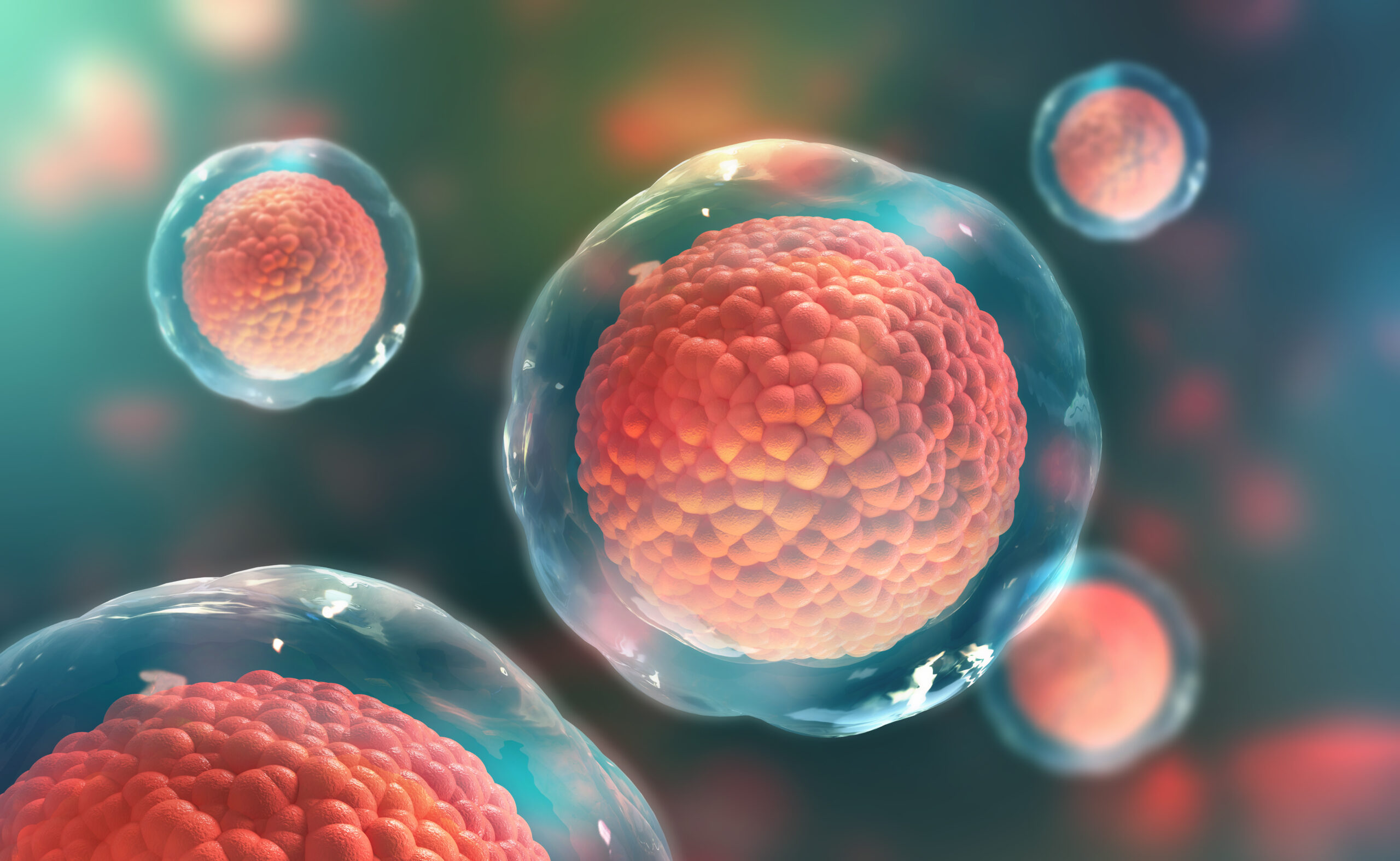
Exosomes are nanoscale vesicles -- essentially tiny bubbles -- that cells use to communicate with each other. They carry proteins, growth factors, and microRNA that instruct neighboring cells to change their behavior. Think of them as text messages your cells send to coordinate repair, reduce inflammation, and regulate immune responses.
In clinical use, exosomes derived from mesenchymal stem cells are the most common type you'll encounter. These can be administered intravenously for systemic effects, or injected locally into joints, skin, or scalp tissue. They don't contain live cells, which makes them easier to store, standardize, and administer than stem cells.
The exosome space is evolving quickly. The research is compelling, though I want to be transparent that regulatory clarity around exosomes is still developing. We'll cover the science and the regulatory landscape in detail in upcoming posts.
Stem Cell Therapy: The Repair Crew
Stem cells are the body's master repair cells -- undifferentiated cells capable of becoming specialized tissue types and secreting the signaling molecules that drive healing. The most clinically relevant for our purposes are mesenchymal stem cells (MSCs), which can differentiate into bone, cartilage, tendon, and fat cells, and which produce a wide range of anti-inflammatory and regenerative signals.
Our orthobiologics and stem cell therapy program in Southlake uses cells derived from carefully screened, ethically sourced umbilical cord tissue (Wharton's jelly). These "birth tissue" MSCs are young, highly potent, and avoid many of the limitations of using a patient's own stem cells, which decline in quality and quantity with age.
It's important to be clear here: stem cell therapy in outpatient settings is not FDA-approved for specific disease treatment, and we don't make claims of curing conditions. What we do see -- and what the research supports -- is meaningful improvement in pain, function, and tissue quality for conditions like osteoarthritis, tendon injuries, disc disease, and more.
How These Three Work Together
PRP, exosomes, and stem cells aren't mutually exclusive. In fact, combining them often produces better results than any single therapy alone. We frequently pair PRP injections with stem cells for joint treatments -- the PRP creates an optimal healing environment while the stem cells drive tissue regeneration. Exosomes can be layered on top to modulate inflammation and enhance the regenerative signal.
The right protocol depends entirely on the condition being treated, the severity, the patient's age and biology, and their goals. There's no universal regenerative stack that works for everything. This is medicine, not a supplement order.
What Regenerative Medicine Can and Can't Do
I want to be real about this because there's a lot of overselling in this space. Regenerative therapies can produce meaningful improvements in pain and function for the right conditions. They can help patients avoid or delay surgery. They can support tissue healing that conventional medicine can't catalyze. For some patients, the results are genuinely dramatic.
They're not magic. They don't work for everyone. Bone-on-bone end-stage arthritis has real limitations. Advanced neurological diseases have limited evidence. And no clinic -- including ours -- should promise outcomes we can't support with data.
What I can promise is an honest conversation. If regenerative therapy isn't the right fit for your situation, I'll tell you that. If it is, we'll build a protocol grounded in the best available evidence. Our regenerative medicine clinic in Southlake is built around that principle.
Your Questions Answered
Led by trained medical professionals delivering safe, effective, and scientifically backed aesthetic and wellness treatments.
What's the difference between PRP, stem cells, and exosomes?
PRP delivers concentrated growth factors from your own blood to stimulate repair signaling at a treatment site. MSCs are living cells that can signal tissue repair, modulate immune responses, and differentiate into various tissue types. Exosomes are the nanoscale vesicles MSCs secrete — carrying the signaling molecules that drive much of their biological activity, in a cell-free format that offers different delivery characteristics. Each has distinct mechanisms, evidence bases, and appropriate applications. Dr. Abdullah helps you understand which is most relevant for your goals.
What's the regulatory status of stem cell and exosome therapies?
The FDA has been explicit on this: the only FDA-approved stem cell products in the United States are cord blood-derived hematopoietic cells for specific blood disorders. There are currently no FDA-approved exosome products. MSC and exosome preparations used in regenerative health contexts are sourced from FDA-registered labs but are not FDA-approved treatments for the applications discussed in regenerative medicine. Dr. Abdullah discloses this accurately with every patient — because honest informed consent isn't optional, it's foundational.
Need More Information?
Our team is ready to answer your specific questions and concerns.