



IPL Photofacial in Southlake, TX
Sun damage, age spots, broken capillaries, rosacea-related redness, and the uneven skin tone that years of North Texas sun accumulate — IPL photofacial is one of the most effective non-ablative treatments available for all of it, and one where the technology and clinical oversight behind the treatment determines whether you get meaningful improvement or frustrating inconsistency. At Magnolia Functional Wellness, Dr. Farhan Abdullah's team uses the Venus Versa with SmartPulse technology for photorejuvenation, delivering precise, consistent IPL energy with real-time cooling for comfort and safety — physician-supervised and calibrated to your specific skin concerns and Fitzpatrick type.
Learn More About
IPL Photofacial
.svg)
What is
IPL Photofacial
IPL — Intense Pulsed Light — is a broad-spectrum light technology that uses filtered, controlled pulses of light energy to selectively target chromophores in the skin: melanin (in pigmented lesions) and oxyhemoglobin (in vascular lesions). Unlike laser, which delivers a single specific wavelength, IPL delivers a broad spectrum filtered to the wavelength range appropriate for the target chromophore — photons are selectively absorbed by the target tissue, converted to heat, and the heated tissue is selectively damaged while surrounding skin remains largely unaffected. This selectivity, when parameters are correctly set, produces clearance of pigmented and vascular lesions without surface damage to the overlying skin — making IPL a genuinely non-ablative treatment with no visible downtime in most cases.
The Venus Versa uses SmartPulse technology to deliver IPL energy in precisely controlled pulse sequences optimized for consistent energy distribution across the treatment area. Unlike older IPL systems that deliver single pulses at fixed parameters, SmartPulse dynamically optimizes each pulse for precise energy delivery — the real-time cooling system monitors light-guide temperature 1,000 times per second, maintaining patient comfort and epidermal protection throughout the session. The SR515 and SR580 applicators used for photorejuvenation are FDA-cleared for the treatment of benign pigmented epidermal and cutaneous lesions and benign cutaneous vascular lesions — the regulatory distinction that separates the Venus Versa from the cosmetic light devices that some facilities use for "photofacials" without comparable clearance.
The selective photothermolysis produced by IPL operates on the principle that different chromophores have different absorption peaks across the light spectrum. Melanin absorbs strongly across the 500–600nm range — filtered IPL in this range targets melanin-containing keratinocytes in solar lentigines and mottled hyperpigmentation. Oxyhemoglobin absorbs at 577nm and 800nm — filtered IPL in these ranges targets the hemoglobin in dilated capillaries, telangiectasias, and the diffuse erythema of rosacea. The correct filter selection for the presenting concern is the clinical decision that determines whether the treatment is effective or ineffective — an assessment that requires understanding the target chromophore, the depth of the lesion, and the appropriate parameters for the patient's Fitzpatrick type.

Why do We Use
IPL Photofacial
IPL is the most appropriate tool for the combination of diffuse pigmentation, discrete sun spots, and vascular concerns that define photoaged skin — the pattern of sun damage that's present in most adults who've lived in North Texas for more than a decade. It addresses both chromophores (melanin and oxyhemoglobin) in the same session, without surface ablation, without downtime, and with a favorable Fitzpatrick I–IV safety profile that covers most of the patient population presenting with these concerns.
The Venus Versa is selected specifically because its SmartPulse technology produces the consistent energy delivery that makes IPL outcomes predictable and repeatable, and because its real-time cooling system maintains the treatment parameters that effective photorejuvenation requires without the epidermal discomfort that inadequately cooled systems produce. The FDA clearance of the SR515 and SR580 applicators for the specific indications being treated — benign pigmented and vascular lesions — establishes the regulatory basis for the clinical claims being made.
An important honest note on patient selection: IPL is appropriate for Fitzpatrick I–IV and works best when the skin is not actively tanned. Fitzpatrick V–VI skin types are generally not appropriate candidates for standard IPL parameters due to the risk of epidermal injury from competitive melanin absorption in the epidermis — the pigment in the dark epidermal melanocytes competes with the target lesion for the light energy, and at the parameters needed to treat the target, the surrounding epidermal melanin can be damaged. This is a clinical reality that responsible practices communicate clearly rather than treating all skin types and hoping for the best.

Key Benefits of
IPL Photofacial
Sun Damage and Solar Lentigines Clearance — The Core IPL Indication: The accumulated sun damage that years of North Texas outdoor life produces — discrete brown spots on the face, décolletage, and hands, diffuse mottled hyperpigmentation from repeated UV exposure, the gradual darkening and freckling that makes skin look significantly older — responds to IPL at a level that topical products and surface treatments can't match. The filtered light energy is absorbed by the melanin in the pigmented lesion, heats the lesion specifically, and the heated tissue undergoes controlled selective destruction. The spot darkens over the following days (a normal, expected response as the damaged tissue oxidizes) and sheds over one to two weeks, leaving clearer skin beneath. For patients whose faces, chests, or hands carry years of accumulated sun spots, a series of four to six IPL treatments can produce clearance that compressions decades of damage in months of treatment.
Vascular Lesion Reduction — Broken Capillaries, Telangiectasias, and Rosacea Flushing: The oxyhemoglobin in dilated and broken blood vessels absorbs the Venus Versa's filtered IPL energy, causing selective heating of the vessel that leads to coagulation and collapse while leaving the surrounding dermis undamaged. This is the mechanism behind IPL's effectiveness for telangiectasias (broken capillaries visible on the nose and cheeks), the diffuse redness of rosacea, facial erythema, and poikiloderma of Civatte (the mottled redness and pigmentation of the lateral neck common in adults with chronic sun exposure). For rosacea patients whose diffuse facial redness and flushing significantly affect their confidence and quality of life, IPL is one of the most effective non-surgical interventions available — reducing background redness, clearing the visible vessels that contribute to persistent erythema, and producing improvement that maintains over time with appropriate maintenance intervals.
SmartPulse Technology — Consistent Energy Delivery Session to Session: IPL outcomes vary more between practitioners and devices than most aesthetic treatments, and much of that variability comes from inconsistent energy delivery — pulses that are too intense in some areas and undertreated in others within the same session. The Venus Versa's SmartPulse technology optimizes each pulse delivery for precise, consistent energy across the entire treatment area, reducing the parameter variability that produces uneven results in conventional IPL systems. The real-time cooling system that monitors light-guide temperature 1,000 times per second maintains patient comfort while protecting the epidermis from thermal overload — allowing parameters that are therapeutically effective without the epidermal injury risk that poor cooling management creates. For patients who've had IPL elsewhere with uneven results, the SmartPulse platform's consistency is a meaningful difference.
Overall Skin Tone Improvement — Brightening Beyond Individual Spot Clearance: Beyond the clearance of discrete lesions, IPL produces a global skin tone improvement effect that's harder to describe precisely but consistently reported by patients: the overall skin appearance is brighter, more even, and more luminous after a series of IPL treatments than can be explained by individual spot clearance alone. The mild heat delivery across the entire treatment area stimulates collagen synthesis in the upper dermis, reduces the visibility of diffuse irregular pigmentation that isn't focal enough to be individual spots, and improves the overall reflective quality of the skin surface. For patients who describe their skin as "dull," "mottled," or "uneven" without pointing to specific individual lesions, global IPL photorejuvenation addresses the diffuse component that focal treatments don't reach.
No Downtime for Most Patients — A 20-Minute Lunch Break Treatment: IPL photofacial is among the highest value treatments per unit of patient time investment in aesthetic medicine. Sessions take 15–20 minutes. Most patients have some redness for one to two hours after treatment that resolves without intervention. Pigmented lesions darken over three to five days before shedding — a cosmetic consideration that foundation covers adequately. There's no peeling, no healing period, no schedule interruption. For busy professionals, parents, and executives who want meaningful skin improvement without calendar disruption, IPL's treatment profile fits the reality of how they live in a way that more intensive treatments don't.
Collagen Stimulation — Anti-Aging Benefit Beyond Pigment and Vascular Correction: The mild thermal effect of IPL energy across the dermis stimulates fibroblast activity and collagen synthesis as a secondary effect beyond the primary chromophore targeting. The magnitude of this collagen stimulation is less than dedicated collagen induction treatments like microneedling or fractional laser — but it's additive, producing improved skin texture, subtle fine line reduction, and improved skin quality over a series of treatments that compounds with the pigmentation and vascular improvement the primary treatment produces. Patients who complete a full IPL photorejuvenation series consistently describe their skin as looking more youthful overall, not just less spotted — the collagen component of the treatment is part of why.
Who Benefits Most From
IPL Photofacial
Patients with Significant Sun Damage and Solar Lentigines: The core IPL indication and the presentation where results are most dramatic. Adults with multiple discrete brown spots on the face, décolletage, or hands accumulated from years of sun exposure — particularly common in the DFW adult population given the climate — see the most visible improvement from a series of IPL treatments. The clearance of established sun spots and the brightening of diffuse mottled pigmentation produces the kind of visible improvement that patients describe as making them look five to ten years younger, because sun damage is one of the most significant contributors to chronological appearance of aging.
Rosacea Patients with Persistent Facial Redness and Broken Capillaries: Rosacea is a chronic inflammatory skin condition without a cure, but its visible manifestations — diffuse facial redness, visible telangiectasias, and flushing — respond well to IPL's vascular lesion targeting. For rosacea patients whose redness significantly affects their daily confidence, a series of IPL treatments followed by maintenance every six to twelve months reduces the vascular component of their condition in a way that topical rosacea management alone doesn't address. Dr. Abdullah evaluates rosacea patients in the context of their complete presentation — patients with significant pustular or papular rosacea are managed with appropriate medical therapy first before and alongside IPL for the vascular component.
Patients on Active Skin Health Programs Needing Pigmentation Correction: IPL photorejuvenation integrates naturally with ongoing skin health programs at Magnolia — it addresses the pigmentation and vascular correction component that HydraFacial, microneedling, and LaseMD Ultra resurfacing don't target as specifically. For patients in the active skin improvement phase, a series of IPL sessions for photodamage combined with other modalities for texture and collagen creates a comprehensive program that addresses all the components of photoaged skin simultaneously.
What To Expect From
IPL Photofacial
Step 1 — Consultation and Skin Assessment: Fitzpatrick skin type, active tan status, current skin conditions, medications (particularly photosensitizers), and treatment history are reviewed. Treatment areas are photographed to document baseline. Fitzpatrick V–VI patients are discussed individually — standard IPL parameters may not be appropriate and alternative modalities are presented.
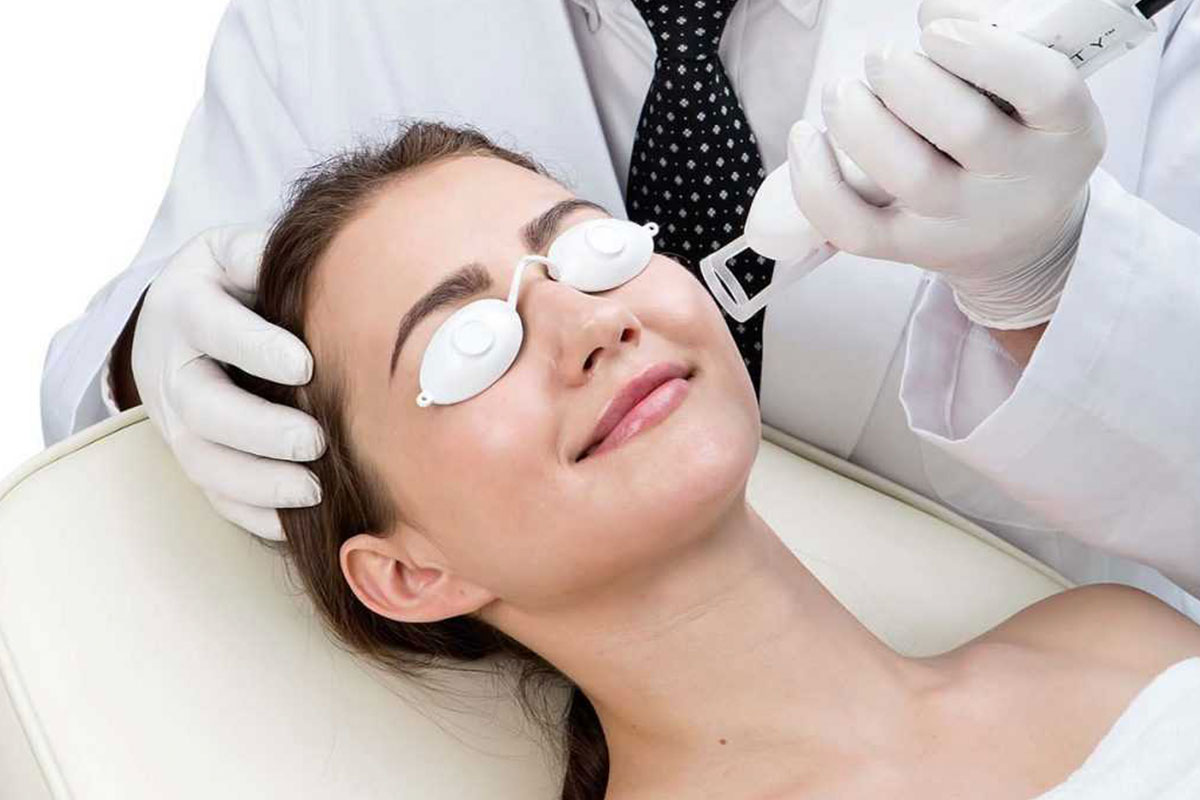
Step 2 — Preparation: Sunscreen and any photosensitizing topical products are removed. Protective eyewear is applied to both patient and provider. A cool gel is applied to the treatment area to provide light-guide contact and additional comfort during treatment.
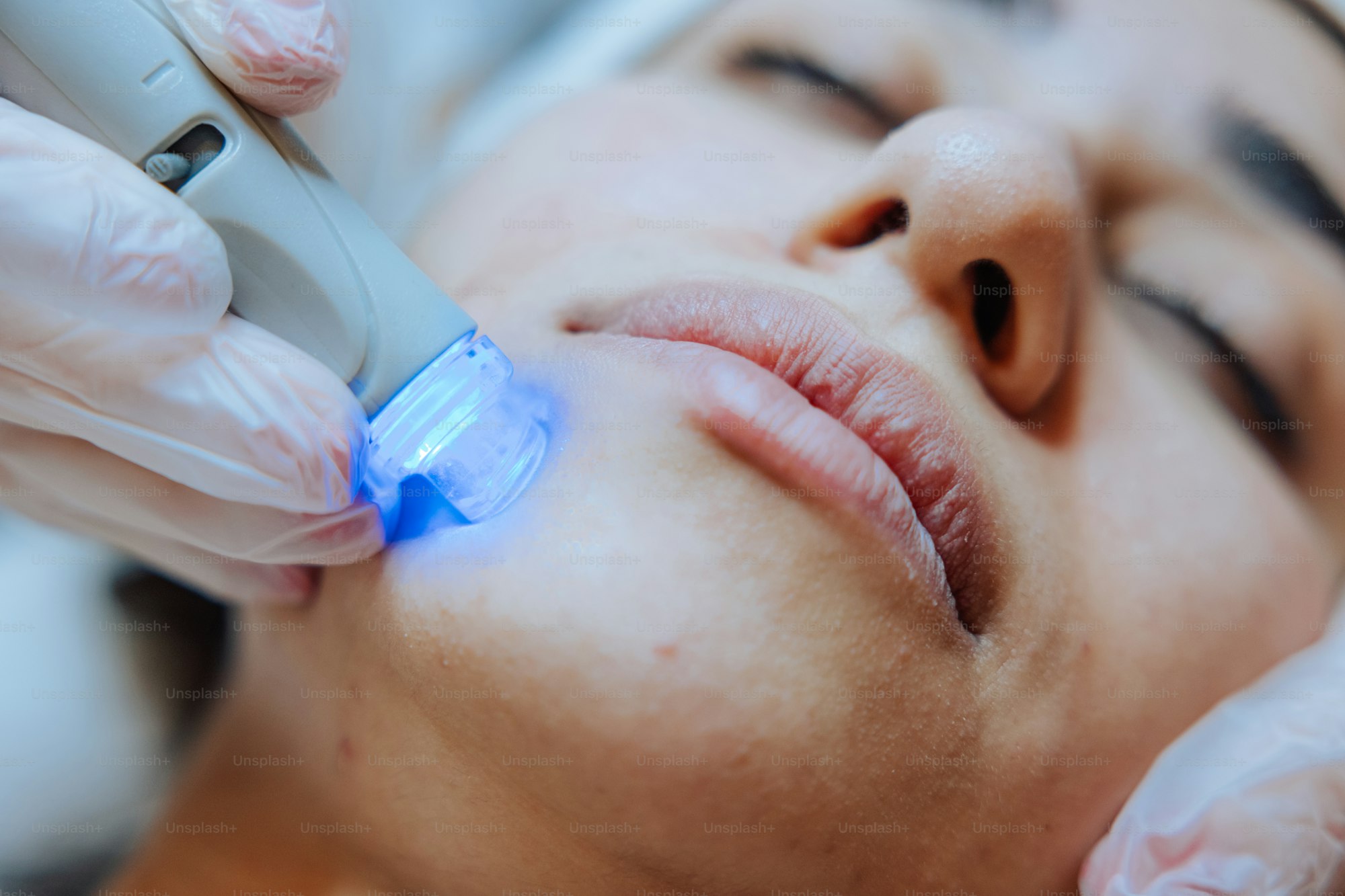
Step 3 — Treatment: The Venus Versa handpiece is applied systematically across the treatment area with gentle overlap to ensure complete coverage. The SmartPulse delivery produces a bright flash and a warm snapping sensation — commonly described as a rubber band snap against the skin. The real-time cooling system maintains continuous contact cooling for comfort. Treatment time for the full face is 20–30 minutes.
Step 4 — Immediately Post-Treatment: Treated pigmented lesions appear darker immediately after treatment — this is expected and indicates the target tissue has been reached. The skin is red for 30–60 minutes, typically resolving within a few hours. The darkened lesions shed over five to ten days. Avoid heat, vigorous exercise, and sun exposure for 24 hours. SPF is applied before leaving and is mandatory throughout the treatment series.
Step 5 — Series and Maintenance: Four to six sessions spaced three to four weeks apart is standard for significant photodamage. Patients see progressive improvement with each session. Maintenance every six to twelve months sustains results and prevents new sun damage from consolidating. Sun protection between and after the treatment series is the most important factor in result longevity.

Is
IPL Photofacial
right for me?
IPL is appropriate for Fitzpatrick I–IV skin types without active tan. Active tan is a contraindication — the epidermal melanin from tanning competes with the target lesion for the IPL energy and significantly increases risk of adverse effects. Patients must avoid deliberate sun exposure and tanning beds for four weeks before treatment. Self-tanner must be fully faded.
Pregnancy, active skin infection, photosensitizing medications (certain antibiotics, St. John's Wort), and recent isotretinoin use are contraindications. Patients with a history of photosensitivity disorders require evaluation before treatment. Melasma — the hormonally driven pigmentation pattern common in women — requires specific discussion: IPL can worsen melasma if parameters aren't carefully selected, and in many cases it's not the first-choice treatment for this specific pigmentation type.
IPL Photofacial at Magnolia Functional Wellness — Southlake, TX
For most adults who've spent meaningful time outdoors in North Texas, photoaging — the accumulated sun damage that shows up as brown spots, broken capillaries, diffuse redness, and general uneven tone — is the most visible contributor to how old their skin looks. Anti-aging serums address it marginally. Chemical peels improve surface texture but don't specifically target the chromophores responsible for the pigmentation and vascular changes. IPL photofacial addresses both simultaneously, directly, in 20-minute sessions with no downtime — which is why it's consistently among the highest-value interventions for this patient population.
The Chromophore Targeting That Makes IPL Work
IPL isn't treating the skin surface — it's treating specific molecules within the skin that absorb the filtered light energy and convert it to heat. Melanin in solar lentigines and mottled hyperpigmentation. Oxyhemoglobin in dilated capillaries and the vascular network driving rosacea's diffuse redness. The filtered IPL pulses pass through the overlying epidermis largely without interaction until they reach those chromophores, where the selective absorption produces the focal heating that destroys the target tissue while leaving surrounding skin undamaged.
What happens afterward is visible and clinically predictable. Pigmented lesions darken over three to five days — the treated melanin oxidizes, the damaged cells containing it migrate toward the surface and shed over one to two weeks. A spot that was visible becomes transiently darker and then disappears. Vascular lesions undergo hemoglobin coagulation that collapses the vessel — redness and telangiectasias fade progressively over two to four weeks as the vessel is resorbed. These aren't subtle effects. Patients who document their skin before and after a series of IPL treatments consistently see the kind of change that makes people ask what they've been doing differently.
Consistent Delivery Through SmartPulse Technology
IPL results have a reputation for variability, and that reputation is partly earned — older and lower-grade IPL systems produce inconsistent energy delivery that leads to undertreated areas and, at the other extreme, epidermal injury from overtreatment. The Venus Versa's SmartPulse system addresses the energy consistency problem specifically: optimized pulse delivery across the treatment area, real-time temperature monitoring at 1,000 samples per second, and integrated cooling that maintains epidermal protection throughout the session. The consistency of the platform is what makes results predictable and repeatable rather than dependent on operator speed and luck.
A Program Designed Around Your Photodamage
Dr. Abdullah's team evaluates the pattern and severity of your photodamage — the distribution of solar lentigines, the extent of diffuse mottled pigmentation, the prominence of rosacea-related vascular changes — and builds the IPL program around what's actually there. Four to six sessions for significant photodamage with clear endpoints, appropriate intervals, and sun protection guidance that determines whether the results you achieve actually last.
Magnolia serves patients from Southlake, Westlake, Colleyville, Grapevine, Keller, Trophy Club, Flower Mound, and across the DFW Metroplex.
How Process Works at
Magnolia Functional Wellness
Assess
We begin with a comprehensive evaluation of your health, goals, and medical background to understand the root causes, not just the symptoms.
Personalize
Based on your results, we create a tailored functional wellness plan using evidence-based therapies designed specifically for your body and needs.
Optimize
Through ongoing care, monitoring, and adjustments, we help you achieve sustainable improvements in performance, vitality, and long-term health.
Venus Versa SmartPulse — Consistent Energy Delivery That Produces Predictable Results
SmartPulse technology optimizes each IPL pulse for consistent, precise energy delivery across the treatment area, eliminating the variability of conventional systems that leads to uneven results. Real-time cooling at 1,000 samples per second per session maintains patient comfort and epidermal protection throughout treatment.
Treats Both Pigmentation and Vascular Lesions in the Same Session
IPL's broad filtered spectrum targets melanin for sun spots and diffuse hyperpigmentation and oxyhemoglobin for broken capillaries and rosacea redness in the same session. For patients with photoaged skin presenting with both components — the typical presentation — IPL addresses both in the same 20-minute appointment.
No Downtime — 20-Minute Treatment, Return to Normal Activities Immediately
No peeling, no recovery period, no schedule disruption. Most redness resolves within hours. Treated pigmented lesions darken temporarily before shedding over one to two weeks — coverable with mineral foundation. It's the treatment patients book on their lunch break because they genuinely can.
Rosacea Reduction — Vascular Component Targeted Directly
IPL's oxyhemoglobin absorption clears the dilated capillaries and reduces the diffuse vascular network driving rosacea's persistent redness and flushing — a result that topical rosacea management alone doesn't produce. A maintenance series keeps the vascular component managed over time.
Global Skin Brightening Beyond Individual Spot Clearance
Patients who complete an IPL series describe their overall skin tone as brighter, more even, and more luminous beyond what individual spot clearance alone explains — a diffuse brightening effect from mild thermal collagen stimulation across the entire treatment area that compounds with the primary pigmented and vascular improvements.
Physician-Supervised Parameter Selection — Fitzpatrick-Appropriate Treatment
Filter selection, fluence, pulse duration, and applicator choice are determined based on your skin type, presenting concerns, and active tan status by Dr. Abdullah's team — not a preset protocol applied to every patient regardless of what they're presenting with. Safe, effective IPL requires knowing which parameters are appropriate for which skin type and which target chromophore.
Your Questions Answered
Led by trained medical professionals delivering safe, effective, and scientifically backed aesthetic and wellness treatments.
Does it hurt?
The sensation is a bright flash followed by a warm snap — most commonly described as a rubber band against the skin. The Venus Versa's real-time cooling system manages comfort throughout the session, making the treatment tolerable for most patients without numbing. Sensitive areas like the nose may produce more intense sensation than less vascular areas. Most patients find it easily manageable and finish the session without difficulty.
What skin concerns does IPL photofacial treat?
Sun spots (solar lentigines), diffuse mottled hyperpigmentation from UV exposure, broken capillaries (telangiectasias), rosacea-related facial redness and flushing, poikiloderma of Civatte (mottled redness and pigmentation on the lateral neck), and general uneven skin tone with a diffuse brightening effect from the collagen stimulation secondary to treatment. It treats both the pigmented and vascular components of photodamage in the same session.
Will my spots look worse before they look better?
Yes — pigmented lesions darken over three to five days after treatment as the damaged melanin oxidizes and the treated cells move toward the surface. This darkening (called "peppering" when lesions are numerous) is a sign the treatment has reached the target and is expected. The darkened lesions shed over one to two weeks, revealing cleared skin beneath. Patients should be prepared for this appearance and advised that it's a normal treatment response.
How many sessions do I need?
Four to six sessions spaced three to four weeks apart for significant sun damage and vascular concerns. Some patients with milder concerns see satisfactory improvement in three sessions. Results improve progressively with each session. Annual maintenance prevents new damage from consolidating.
Can I get IPL if I have dark skin?
IPL is generally appropriate for Fitzpatrick I–IV skin types. Fitzpatrick V–VI skin types are not typically appropriate candidates for standard IPL parameters — the epidermal melanin in dark skin competes with the target lesion for the IPL energy, creating risk of epidermal injury. If you have darker skin and sun damage concerns, Dr. Abdullah's team will discuss alternative modalities — including the Clarity II's Nd:YAG wavelength, which is specifically designed for darker skin tones — that can address pigmentation concerns safely.
What's the difference between IPL and laser?
Laser delivers a single specific wavelength; IPL delivers a filtered broad spectrum. Laser is more precisely targeted and appropriate for single-chromophore goals (laser hair removal, specific vascular lesion ablation, fractional resurfacing at a specific tissue depth). IPL is more versatile for the mixed pigmented and vascular presentation of photoaged skin — addressing both chromophores in the same session without the specificity overhead of a laser. Neither is categorically superior; the appropriate choice depends on what's being treated.
Need More Information?
Our team is ready to answer your specific questions and concerns.
Redefine Your Glow. Reimagine Your Life.
Led by trained medical professionals delivering safe, effective, and scientifically backed aesthetic and wellness treatments.
Not what you were looking
for? Explore More.
At Magnolia Functional Wellness, every treatment is guided by medical science, regenerative principles, and individualized care. We focus on restoring physiology at its source, enhancing vitality, and supporting long term health with evidence based interventions that go beyond traditional aesthetics.