



Ketamine Therapy in Southlake, TX
When antidepressants haven't worked, ketamine often does — and the research behind it is serious. Dr. Farhan Abdullah administers IV ketamine infusions at Magnolia Functional Wellness under direct physician supervision. Not a volume-driven ketamine clinic. A physician who actually monitors your response and adjusts your protocol.
Learn More About
Ketamine Therapy
.svg)
What is
Ketamine Therapy
Ketamine is a dissociative anesthetic that has been FDA-approved and in clinical use for decades — and in the last 20 years, a substantial body of research has established its efficacy for treatment-resistant depression, anxiety disorders, PTSD, and certain chronic pain conditions at sub-anesthetic doses. It works through a fundamentally different mechanism than any conventional antidepressant.
Most antidepressants — SSRIs, SNRIs, MAOIs — target monoamine neurotransmitters like serotonin, dopamine, and norepinephrine. They take 4–8 weeks to produce meaningful clinical effect, and a significant percentage of patients don't respond adequately even after multiple medication trials. Ketamine works primarily through NMDA receptor antagonism, which triggers a cascade of downstream effects including rapid BDNF (brain-derived neurotrophic factor) release and activation of AMPA receptors. This stimulates synaptogenesis — the formation of new synaptic connections — producing neuroplastic changes that can begin within hours of a single infusion.
In clinical terms: ketamine can produce meaningful antidepressant effects within 24–72 hours in patients who haven't responded to months or years of conventional treatment. For patients in acute suicidal crisis, this speed of action has significant clinical relevance. The research base now includes multiple randomized controlled trials, meta-analyses, and the FDA approval of esketamine (Spravato) — a ketamine-derived intranasal medication for treatment-resistant depression — which validates the underlying mechanism even though IV ketamine itself remains an off-label use.
At Magnolia Functional Wellness, IV infusion is used because it delivers the most precise, titratable dose with the most predictable pharmacokinetics. Dr. Abdullah trained with The Ketamine Academy and administers every infusion personally, monitoring your vitals, dissociative response, and overall clinical status throughout each session.

Why do We Use
Ketamine Therapy
The clinical case for ketamine is strongest for patients who have tried — and not responded adequately to — conventional antidepressant therapy. Treatment-resistant depression is formally defined as failure to respond to two or more adequate antidepressant trials, and it affects a substantial subset of the 21 million Americans who live with major depressive disorder. For these patients, the conventional algorithm offers diminishing returns with each successive medication trial.
Ketamine represents a genuine paradigm shift in psychiatric pharmacology. The rapidity of response — hours to days rather than weeks — addresses one of the most dangerous windows in psychiatric treatment: the period when a patient is suffering enough to be at risk but hasn't yet responded to treatment. The mechanism — neuroplasticity stimulation rather than monoamine modulation — opens a completely different biological pathway for patients whose monoamine systems haven't responded.
For chronic pain conditions, ketamine's NMDA antagonism interrupts central sensitization — the process by which the nervous system becomes increasingly amplified in its pain signaling. Conditions including fibromyalgia, complex regional pain syndrome (CRPS), and neuropathic pain have shown response to ketamine infusion in clinical studies.
Dr. Abdullah's internal medicine background means he evaluates ketamine candidacy within the context of your complete medical picture — cardiovascular status, blood pressure, dissociative symptom history, substance use history, and current medications — because ketamine isn't appropriate for everyone, and that clinical judgment matters.

Key Benefits of
Ketamine Therapy
Rapid Antidepressant Effect: Ketamine produces meaningful mood improvement within 24–72 hours in many patients with treatment-resistant depression — a speed of action no conventional antidepressant approaches. For patients who've been waiting weeks for each medication trial, this difference is profound.
Different Mechanism, Different Results: If SSRIs, SNRIs, or other antidepressants haven't worked, it's not because you're untreatable — it's because monoamine pathways may not be the primary driver of your depression. Ketamine works through NMDA receptor antagonism and neuroplasticity stimulation, offering a genuinely different biological approach.
Effective for Multiple Conditions: Beyond treatment-resistant depression, ketamine has clinical evidence supporting its use for generalized anxiety disorder, social anxiety, PTSD, OCD, and chronic pain syndromes including CRPS, fibromyalgia, and neuropathic pain.
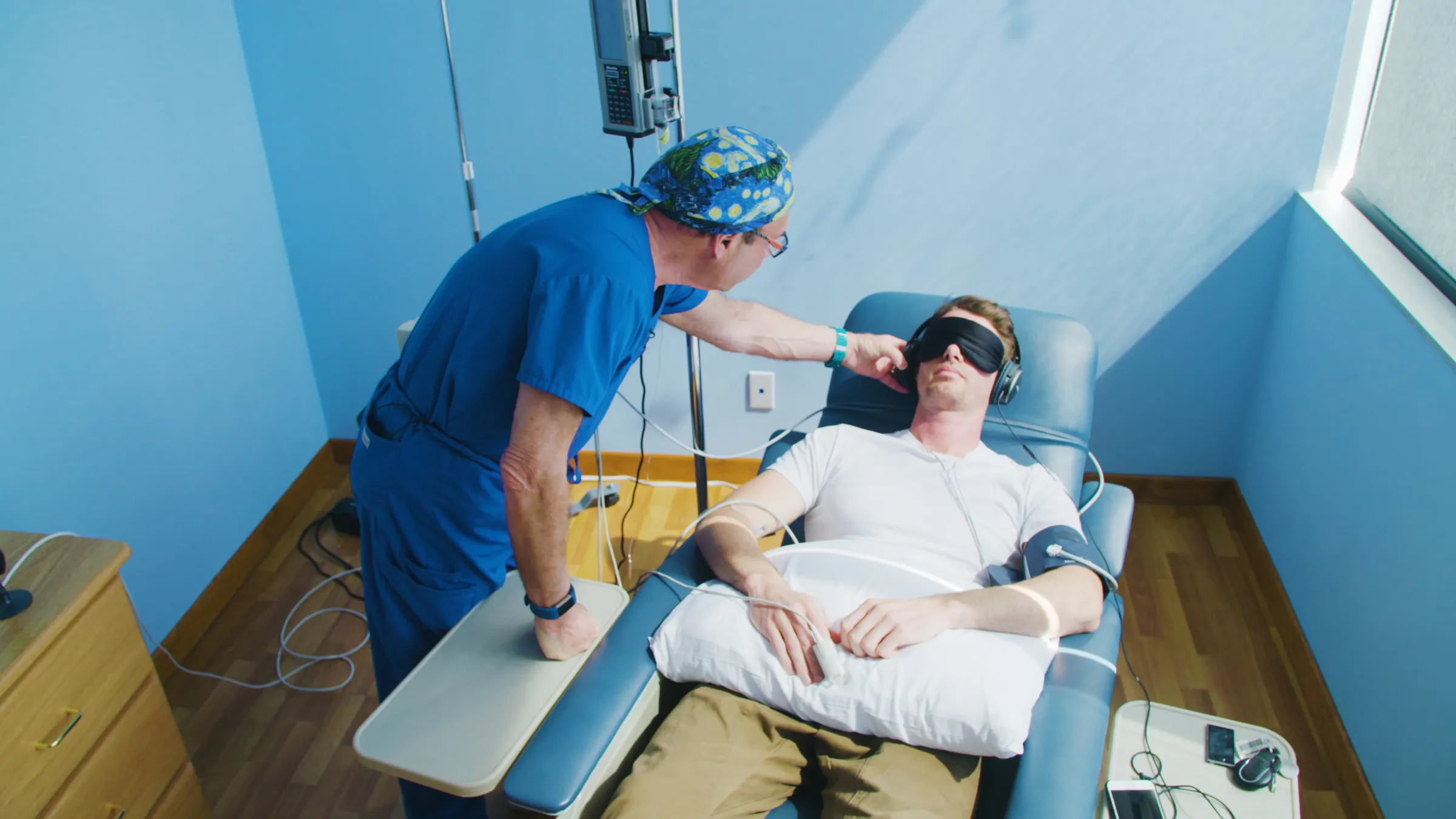
Physician-Supervised in a Clinical Setting: Dr. Abdullah is present throughout every infusion — not a nurse or technician. Your blood pressure, heart rate, oxygen levels, and dissociative response are monitored continuously. This is medical oversight, not an infusion lounge.
Neuroplasticity Support: Ketamine's downstream effects on BDNF and synaptogenesis mean it doesn't just temporarily alter brain chemistry — it supports the formation of new neural pathways. This is why integration — the psychological work done between sessions — matters for maximizing and sustaining response.
Competitive, Transparent Pricing: As an independent physician-owned practice without corporate overhead, our ketamine pricing is among the most accessible in Southlake and the broader DFW area without compromising the clinical standard of care.
Who Benefits Most From
Ketamine Therapy
Patients with Treatment-Resistant Depression: Treatment-resistant depression — defined as inadequate response to two or more adequate antidepressant trials — affects roughly 30% of patients diagnosed with major depressive disorder. This is the population for whom ketamine's evidence base is strongest and most consistent. Multiple randomized controlled trials have demonstrated rapid, meaningful antidepressant response in treatment-resistant patients — with response rates in the 50–70% range and onset within hours to days rather than the weeks required by conventional antidepressants. For patients who have tried SSRIs, SNRIs, atypical antidepressants, and augmentation strategies without adequate relief, ketamine represents a mechanistically distinct intervention rather than another variation on the same pharmacologic theme.
Patients with Active Suicidal Ideation: Ketamine's anti-suicidal effects are among the most clinically significant findings in recent psychiatric medicine. The rapid onset of response — meaningful reduction in suicidal ideation within 24–72 hours in multiple studies — is a capability that no conventional antidepressant offers. For patients in acute distress where the standard 4–6 week antidepressant trial timeline is clinically unacceptable, ketamine's speed of action addresses a dimension of urgency that oral medications fundamentally cannot. Dr. Abdullah conducts thorough clinical evaluation before every course of treatment, and patients with active suicidal ideation are among those for whom the risk-benefit calculation most clearly favors intervention.
Patients with PTSD and Trauma-Related Disorders: Post-traumatic stress disorder involves pathological reconsolidation of fear memories and hyperactivation of threat-response circuitry that conventional antidepressants address inadequately. Ketamine's NMDA receptor antagonism and its downstream effects on synaptic plasticity and fear memory reconsolidation make it mechanistically relevant to PTSD in ways that serotonergic medications aren't. Emerging clinical evidence supports meaningful symptom reduction in PTSD patients, and the combination of ketamine with trauma-focused psychotherapy being explored in current research suggests a synergistic effect between the neuroplasticity window ketamine opens and the therapeutic processing that can occur within it.
Patients with Chronic Pain Syndromes: Ketamine's analgesic effects operate through NMDA receptor blockade in pain-processing pathways, interrupting the central sensitization that underlies conditions like fibromyalgia, complex regional pain syndrome (CRPS), and refractory neuropathic pain. For patients whose chronic pain has not responded adequately to conventional pharmacologic approaches — opioids, gabapentinoids, SNRIs — ketamine addresses the central sensitization component rather than simply modulating perception of pain signals that continue to be generated. Subanesthetic infusions have demonstrated meaningful pain reduction in CRPS and fibromyalgia in controlled studies, with effects lasting weeks to months following a treatment course.
Patients Seeking Reduction in Opioid Dependence or Use: Ketamine's analgesic mechanism is non-opioid — it doesn't activate mu receptors and has demonstrated the ability to reduce opioid requirements in pain management contexts. For patients managing chronic pain who want to reduce opioid burden, the combination of ketamine-produced central sensitization interruption and direct analgesic effect can support meaningful opioid reduction under physician supervision. This is a nuanced clinical application that requires careful patient selection and monitoring — exactly the kind of individualized assessment Dr. Abdullah conducts before recommending ketamine for pain indications.
What To Expect From
Ketamine Therapy
Step 1 — Medical Screening & Consultation: Dr. Abdullah conducts a comprehensive evaluation covering your psychiatric history, medication trials, current medications, cardiovascular health, blood pressure, and dissociative or psychotic symptom history. Ketamine is not appropriate for patients with uncontrolled hypertension, active psychotic symptoms, or certain other contraindications — this evaluation ensures your safety before any treatment begins.
Step 2 — Protocol Design: Based on your evaluation, Dr. Abdullah designs your infusion protocol — including dose, infusion duration, number of sessions, and whether adjunctive support like integration therapy would be beneficial. Most patients start with a series of 6 infusions over 2–3 weeks for mood disorders, or a modified protocol for chronic pain indications.
Step 3 — Pre-Infusion Preparation: You'll arrive having fasted for 4–6 hours beforehand. Arrange a driver — you cannot drive after a ketamine infusion and should plan to rest for the remainder of the day. Wear comfortable clothing and avoid stimulants on the day of your infusion.
Step 4 — The Infusion: You relax in a private, calm room. An IV is placed and ketamine is administered at a precisely controlled rate over 40–60 minutes. Dr. Abdullah monitors your vitals continuously throughout. The dissociative experience varies — some patients describe perceptual shifts or dreamlike states, others find it quite mild. You're in a safe, supervised environment throughout.
Step 5 — Recovery: You remain with us for 30–60 minutes post-infusion until you're fully oriented and stable. A driver is required — this is non-negotiable for your safety. Most patients feel tired or emotionally sensitive afterward; this is normal and typically resolves within a few hours.
Step 6 — Integration & Follow-Up: The 24–72 hours after each infusion represent a window of heightened neuroplasticity when integration work — journaling, therapy, mindfulness — can significantly enhance and extend the treatment response. Dr. Abdullah reviews your response between sessions and adjusts the protocol as needed. Many patients notice cumulative improvement across the series.

Is
Ketamine Therapy
right for me?
Ketamine therapy is worth a serious consultation if you've been diagnosed with major depressive disorder, bipolar depression, generalized anxiety disorder, social anxiety disorder, PTSD, or OCD and haven't achieved adequate relief with conventional treatment — typically defined as two or more adequate antidepressant or medication trials. It's also worth discussing for chronic pain conditions including CRPS, fibromyalgia, and neuropathic pain that hasn't responded to standard pain management.
It's not appropriate for patients with active or recent psychotic episodes, uncontrolled hypertension, active substance use disorder involving dissociatives, certain cardiovascular conditions, or during pregnancy. These are clinical determinations Dr. Abdullah makes during your screening evaluation.
If you're currently working with a psychiatrist or therapist, ketamine can often complement that care rather than replace it — Dr. Abdullah communicates with your existing providers when appropriate.
If you've been told medication-resistant depression is just something you have to manage, that conversation deserves a second opinion from a physician who understands what ketamine can actually offer.
🏆 Voted "Best in Tarrant County" by Society Life Magazine (2023-2025)
IV Ketamine Therapy in Southlake, TX
Treatment-resistant depression, anxiety, and PTSD are among the most painful and debilitating conditions a person can live with — made worse by the repeated experience of trying treatments that don't work. Ketamine offers a genuinely different biological approach, and the evidence behind it is serious enough that an FDA-approved ketamine-derived medication (esketamine/Spravato) now exists for treatment-resistant depression.
Dr. Farhan Abdullah is a board-certified Internal Medicine physician and Assistant Professor at UT Southwestern School of Medicine and TCU/UNTHSC School of Medicine who completed ketamine therapy training through The Ketamine Academy. He administers every IV infusion personally at Magnolia Functional Wellness — you're not being handed off to a nurse or technician in an infusion lounge. This is physician-supervised psychiatric and pain medicine.
The Science Behind Ketamine's Rapid Effect
Conventional antidepressants take 4–8 weeks to produce clinical effect because they work by gradually modulating monoamine neurotransmitter systems. Ketamine works differently — NMDA receptor blockade triggers immediate downstream BDNF release and AMPA receptor activation, driving synaptogenesis and neuroplastic changes within hours. This is why patients who've waited months for each medication trial to work often describe ketamine's speed of effect as almost disorienting in the best possible way.
For chronic pain, NMDA antagonism interrupts central sensitization — the amplified pain signaling loop that characterizes conditions like CRPS and fibromyalgia — in a way that opioids and conventional analgesics don't address.
What Makes Our Protocol Different
We don't run ketamine infusions the way a high-volume infusion clinic does. Dr. Abdullah conducts your screening evaluation personally, designs your protocol based on your specific psychiatric and medical history, and is present throughout every infusion. Dosing is precise and individualized — not a standard weight-based formula applied uniformly.
We also discuss integration. The neuroplasticity window opened by ketamine infusion is a real and clinically meaningful opportunity — patients who engage in therapeutic work between sessions consistently show better sustained outcomes than those who don't. Dr. Abdullah discusses this with every patient because it's part of responsible ketamine care, not an optional add-on.
Conditions We Address
IV ketamine therapy at Magnolia Functional Wellness is used for treatment-resistant depression, major depressive disorder with suicidal ideation, bipolar depression, generalized anxiety disorder, social anxiety disorder, PTSD, OCD, and chronic pain conditions including CRPS, fibromyalgia, and neuropathic pain. Dr. Abdullah evaluates each patient individually to determine whether ketamine is clinically appropriate for their specific situation.
Accessible Pricing in the DFW Area
As an independent physician-owned practice, we don't carry the overhead of corporate ketamine franchise operations. We offer some of the most accessible pricing for physician-supervised IV ketamine therapy in Southlake and the greater DFW area — because we believe patients who need this treatment shouldn't be priced out of it.
We serve patients from Southlake, Westlake, Keller, Colleyville, Trophy Club, Grapevine, Flower Mound, Fort Worth, and throughout the Dallas-Fort Worth metroplex. Telehealth screening consultations available for established patients.
How Process Works at
Magnolia Functional Wellness
Assess
We begin with a comprehensive evaluation of your health, goals, and medical background to understand the root causes, not just the symptoms.
Personalize
Based on your results, we create a tailored functional wellness plan using evidence-based therapies designed specifically for your body and needs.
Optimize
Through ongoing care, monitoring, and adjustments, we help you achieve sustainable improvements in performance, vitality, and long-term health.
Rapid Relief for Treatment-Resistant Conditions
When months of antidepressants haven't worked, ketamine offers a completely different biological mechanism — and meaningful mood improvement within 24–72 hours. Not weeks. For patients who've been waiting, this speed matters.
Evidence-Based Protocol Design
The standard 6-infusion series is grounded in controlled clinical research, not arbitrary scheduling. Dr. Abdullah designs your protocol based on your specific diagnosis, history, and response — and adjusts between sessions based on how you're actually responding.
Integration-Aware Care
The neuroplasticity window opened by ketamine infusion is clinically significant. Dr. Abdullah discusses integration — the therapeutic work that consolidates and extends ketamine's effects — with every patient, because responsible ketamine care addresses what happens between sessions, not just during them.
Most Accessible Physician-Supervised Pricing in DFW
As an independent practice without corporate overhead, we offer some of the most competitive pricing for physician-supervised IV ketamine therapy in the Southlake and DFW area. Completing your full treatment series shouldn't be a financial obstacle.
Physician-Designed, Medically Supervised Protocol
Every ketamine protocol at Magnolia begins with a personal consultation with Dr. Farhan Abdullah, who designs your treatment plan, reviews your medical history, and determines candidacy. Your infusions are administered by our trained medical team in a fully supervised clinical setting with physician oversight.
Private, Clinical Setting — Not an Infusion Lounge
Your ketamine sessions take place in a private, calm clinical environment with continuous vital sign monitoring throughout each infusion. This is a medical practice, not a wellness spa. Your safety and comfort are managed by trained medical professionals from arrival to discharge.
Your Questions Answered
Led by trained medical professionals delivering safe, effective, and scientifically backed aesthetic and wellness treatments.
What is Ketamine Therapy and How Does It Work?
Ketamine is an FDA-approved dissociative anesthetic that produces rapid antidepressant and anxiolytic effects at sub-anesthetic doses through a mechanism completely different from conventional psychiatric medications. Rather than targeting serotonin or dopamine directly, ketamine blocks NMDA receptors — triggering downstream release of BDNF (brain-derived neurotrophic factor) and stimulating synaptogenesis, the formation of new synaptic connections. This neuroplastic effect can produce meaningful mood improvement within 24–72 hours, compared to the 4–8 weeks required for conventional antidepressants to reach clinical effect. IV administration allows precise, titratable dosing with predictable pharmacokinetics — which is why it remains the preferred delivery method for clinical ketamine therapy despite the availability of the intranasal esketamine (Spravato) formulation.
Who is a good candidate for ketamine therapy?
Ketamine therapy is most clearly indicated for patients with treatment-resistant depression — typically defined as inadequate response to two or more adequate antidepressant trials. It's also clinically relevant for generalized anxiety disorder, social anxiety, PTSD, OCD, and chronic pain conditions including complex regional pain syndrome, fibromyalgia, and neuropathic pain. Good candidates are medically stable with no active psychotic symptoms, controlled blood pressure, and no active dissociative substance use disorder. Dr. Abdullah conducts a thorough medical and psychiatric screening evaluation before recommending ketamine — not every patient who wants this treatment is an appropriate candidate, and that judgment matters for safety and outcomes.
What should I expect during a ketamine infusion?
ou'll arrive fasted and with a driver arranged — you cannot drive after the infusion. An IV is placed and ketamine is administered at a controlled rate over approximately 40–60 minutes while our team monitors your vitals continuously. The experience varies considerably between individuals: some patients describe perceptual shifts, dreamlike imagery, or a sense of detachment; others have a relatively mild experience with only subtle perceptual changes. You remain aware that you're in a clinical setting throughout. After the infusion, you rest in the clinic for 30–60 minutes until you're fully oriented and stable. Most patients feel emotionally tender or fatigued for the remainder of the day — this is normal and the neuroplasticity window this represents is actually therapeutically valuable if used intentionally.
How long does it take to see results from ketamine therapy?
Many patients notice a meaningful shift in mood within 24–72 hours of their first infusion — a speed of effect that is genuinely distinctive compared to any conventional antidepressant. For the standard 6-infusion series used for mood disorders, most patients see cumulative improvement across the series with peak effect emerging by the 4th–6th session. Results vary based on diagnosis, chronicity of illness, response to previous treatments, and whether integration work is incorporated between sessions. Some patients experience dramatic improvement after one or two infusions; others show a more gradual response. Dr. Abdullah monitors your progress between sessions and adjusts the protocol based on your actual response.
Are there side effects or risks with ketamine therapy?
During the infusion, common experiences include dissociative perceptual effects (altered sense of time, mild visual changes), elevated blood pressure and heart rate, nausea in some patients, and dizziness. These are transient and resolve as the drug clears. Post-infusion fatigue and emotional sensitivity are common and typically resolve within hours. More serious risks include exacerbation of existing psychotic symptoms (which is why active psychosis is a contraindication), cardiovascular stress in patients with poorly controlled hypertension, and in the context of repeat infusions over time, the potential for psychological dependence — which is why Dr. Abdullah structures protocols with clinical discipline rather than prescribing open-ended maintenance infusions without reassessment. The risk profile under physician-supervised conditions is well-characterized and manageable; the risks of untreated treatment-resistant depression are considerably more serious for most patients.
How many ketamine treatments will I need?
The standard evidence-based protocol for mood disorders is 6 infusions administered over 2–3 weeks — this is what most of the clinical research is based on. Many patients respond within the first 3–4 infusions; completing the full series consolidates and extends the response. After the initial series, some patients maintain their response without further treatment; others benefit from periodic booster infusions, typically spaced weeks to months apart based on how long the benefit lasts. Dr. Abdullah reassesses your response after the initial series and makes protocol recommendations based on your clinical status — not a predetermined maintenance schedule. For chronic pain indications, protocols may differ from mood disorder protocols and are designed individually.
Why is your ketamine therapy more affordable than other clinics?
As an independent, physician-owned practice without corporate franchise fees or high administrative overhead, our cost structure is fundamentally different from ketamine chains or hospital-affiliated programs. We pass those savings to patients because accessible pricing means patients can complete their full treatment series — and an incomplete series produces worse outcomes than a complete one. Our pricing reflects the actual cost of physician-supervised IV ketamine therapy without a markup designed to fund aggressive expansion. We also don't charge for add-ons you don't need.
Can ketamine therapy be combined with ongoing psychiatric care?
Yes — and for many patients, this is the optimal approach. Ketamine's rapid neuroplasticity stimulation creates an enhanced window for therapeutic work, which is why combining ketamine with active psychotherapy tends to produce better sustained outcomes than ketamine alone. If you're currently working with a psychiatrist or therapist, Dr. Abdullah can communicate with your existing providers and coordinate care. Ketamine doesn't replace conventional psychiatric treatment — it offers a different biological mechanism that can work alongside it, particularly for patients whose current treatment has plateaued.
Need More Information?
Our team is ready to answer your specific questions and concerns.
Redefine Your Glow. Reimagine Your Life.
Led by trained medical professionals delivering safe, effective, and scientifically backed aesthetic and wellness treatments.
Not what you were looking
for? Explore More.
At Magnolia Functional Wellness, every treatment is guided by medical science, regenerative principles, and individualized care. We focus on restoring physiology at its source, enhancing vitality, and supporting long term health with evidence based interventions that go beyond traditional aesthetics.
Magnolia Functional Wellness is a physician-led clinic in Southlake, Texas specializing in advanced hormone optimization, medical weight loss, and regenerative therapies. Our most requested services include testosterone replacement therapy, women's hormone replacement therapy, medical weight loss, ketamine therapy, aesthetics, and regenerative medicine, each personalized and medically supervised to ensure safety, effectiveness, and long-term results.