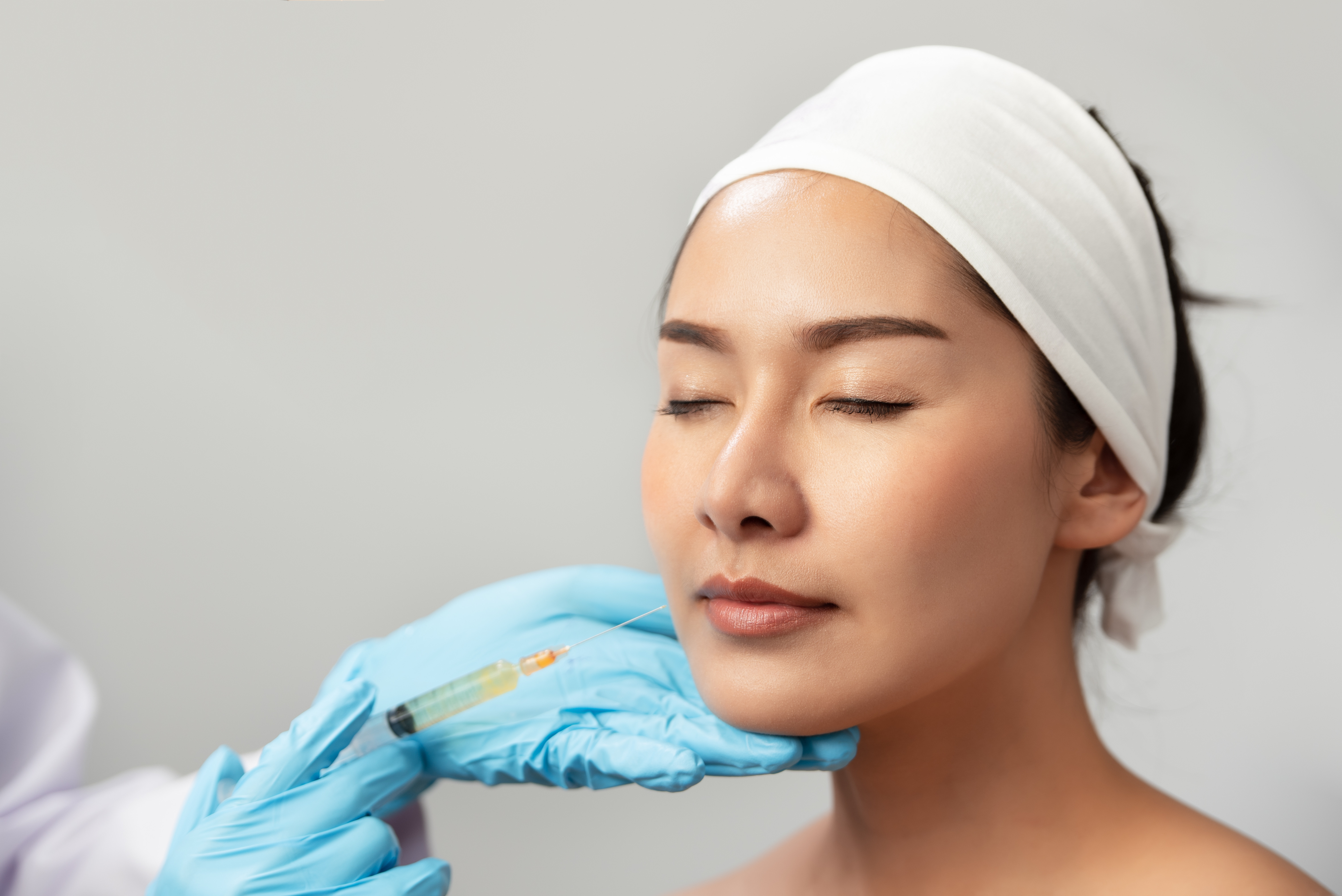




Medical Acne Treatment in Southlake, TX
Acne isn't one condition — it's a family of related presentations with different drivers, different severities, and significantly different treatment requirements. The blackheads and mild comedonal congestion that a good chemical exfoliation protocol addresses effectively are a different clinical problem from the inflammatory nodular acne that requires medical management. At Magnolia Functional Wellness, Dr. Farhan Abdullah evaluates the specific type and severity of your acne, identifies the contributing factors — hormonal, metabolic, lifestyle, or microbiome-related — and builds a treatment plan that combines the appropriate professional treatments with the medical and at-home management that addresses what's actually driving your breakouts.
Learn More About
Acne Treatment
.svg)
What is
Acne Treatment
Acne vulgaris is a multifactorial condition arising from the interaction of four primary pathophysiological mechanisms: excess sebum production driven by androgenic hormones acting on sebaceous glands, follicular hyperkeratinization (the abnormal shedding of keratinocytes into the follicular channel that creates comedones), colonization and proliferation of Cutibacterium acnes (formerly Propionibacterium acnes) within the oil-filled follicle, and the inflammatory cascade that C. acnes triggers through production of inflammatory mediators. The relative contribution of each mechanism varies between patients — one person's acne is predominantly hormonal and sebum-driven; another's is predominantly comedonal and keratinocyte-related; another's is driven by inflammatory dysregulation with minimal comedonal component. Effective treatment addresses the mechanisms that are most active in the individual patient rather than applying a generic antibacterial protocol to every presentation.
At Magnolia, acne treatment is a combination approach that integrates professional treatments targeting the active pathology with medical management addressing the underlying drivers. Professional treatments available include: BioRepeel CI3 for follicular decongestion and TCA-driven cell turnover; custom facials with salicylic acid exfoliation and professional extraction technique; Venus Versa IPL Dual Light acne treatment using blue light (415nm) to destroy C. acnes bacteria in the follicle combined with red light (633nm) to reduce inflammation; SkinPen microneedling for post-acne scarring after the active disease is controlled; and custom chemical peel protocols designed for acne-prone skin. Medical management includes evaluation for hormonal contributors — androgen excess, PCOS, adrenal dysfunction — nutritional factors including zinc and vitamin A status, and prescription topical and oral options when clinically indicated. The program is built around what your acne actually is, not a standardized routine.

Why do We Use
Acne Treatment
The multi-modality approach at Magnolia exists because acne doesn't have a single effective treatment that addresses all four of its pathophysiological mechanisms. No single product or procedure simultaneously reduces sebum production (hormonal management), decongests follicles (BioRepeel/salicylic exfoliation), kills C. acnes (IPL blue light, topical antibacterials), and modulates the inflammatory response (IPL red light, anti-inflammatory skincare). The combination protocols at Magnolia are built around the individual patient's presentation — a predominantly comedonal patient gets a different emphasis than a predominantly inflammatory one, and a patient with hormonal patterning gets medical evaluation and management that the purely aesthetic approach doesn't provide.
Dr. Abdullah's background as an internal medicine physician is specifically relevant for acne patients with suspected hormonal or metabolic contributors. The ability to order a full hormone panel, evaluate for PCOS, prescribe oral medications like spironolactone or metformin for appropriate patients, and coordinate with dermatology when isotretinoin is being considered — this is the clinical breadth that places the acne treatment at Magnolia meaningfully beyond what a skincare-only practice provides.

Key Benefits of
Acne Treatment
Physician-Level Evaluation of Acne Type and Root Cause: The most common reason acne treatment fails is treating the visible lesions without evaluating what's producing them. A patient with comedonal acne and one with inflammatory cystic acne need different protocols entirely. A patient whose acne developed or worsened in her 30s alongside irregular cycles and facial hair growth has a hormonal driver that topicals won't adequately address without medical evaluation. A patient whose acne is predominantly located along the jaw and chin in a hormonal distribution pattern needs androgen evaluation, not just a better exfoliant. Dr. Abdullah's approach starts with the clinical question: what type of acne is this, what is driving it, and what combination of professional treatment, medical management, and at-home care addresses the actual mechanisms rather than just the surface results? This is the physician-level acne evaluation that the medspa down the street isn't equipped to provide — because doing it properly requires the ability to order labs, prescribe medication, and evaluate hormonal and metabolic contributors.
BioRepeel — Professional-Grade Follicular Decongestion Without Barrier Destruction: The most common mistake in professional acne treatment is aggression — the assumption that more aggressive exfoliation, stronger peels, and harder extraction produces better results. For acne-prone skin with an already-compromised barrier, that approach typically produces a rebounding cycle of more inflammation, more sebum overproduction, and worse breakouts in the weeks after treatment. BioRepeel's biphasic formulation decongests the follicular channel through TCA-driven cell turnover and salicylic acid's lipophilic follicular penetration without compromising the stratum corneum integrity in the way that standard medium-depth peels do. The result is genuine congestion clearance and reduced comedone formation — progressive improvement in the active disease without triggering the inflammatory rebound that aggressive exfoliation causes in reactive skin.
IPL Dual Light — Targeting the Bacteria and the Inflammation Simultaneously: The Venus Versa's AC Dual applicator, FDA-cleared for acne vulgaris treatment, uses a combination of blue light (415nm) and red light (633nm) in a single handpiece to address two distinct components of the acne pathophysiology simultaneously. Blue light at 415nm is absorbed by porphyrins — metabolic byproducts produced by C. acnes bacteria — generating reactive oxygen species that are directly bactericidal without antibiotic resistance concerns. Red light at 633nm penetrates deeper into the dermis and has documented anti-inflammatory effects on macrophage activity and the cytokine cascade driving inflammatory acne lesion formation. The combination treats the bacterial load and the inflammatory response in the same session — a dual-mechanism approach that specifically targets the C. acnes colonization and inflammation components of the pathophysiology without any topical application or systemic side effects.
Custom Facial — Appropriate Extraction and Barrier-Conscious Exfoliation: Not all extractions are appropriate for acne-prone skin, and one of the most common causes of worsening breakouts after professional treatment is extracting lesions that shouldn't be extracted. Inflamed papules and pustules aren't safe to extract — the pressure required to expel their contents spreads inflammatory material into surrounding tissue, deepens the lesion, and creates the nodular scarring that's much harder to treat afterward. Soft, ready comedones (blackheads and closed comedones that have come to a head) are appropriate for extraction and benefit significantly from professional technique. At Magnolia, the aesthetician's extraction assessment determines what can and can't be extracted at each visit — a judgment that protects the skin from the well-intentioned but counterproductive extraction that causes post-inflammatory scarring. Salicylic acid exfoliation, blue LED antibacterial treatment, clay mask for sebum reduction, and appropriate barrier-supporting finishing products complete the protocol.
Addressing Hormonal Drivers — The Evaluation Most Acne Treatment Skips: Adult female acne — particularly jaw, chin, and perioral breakouts that worsen cyclically with the menstrual cycle — is frequently hormonally driven and inadequately addressed by topical-only treatment protocols. Elevated androgens, estrogen-progesterone imbalance, PCOS, and insulin resistance all drive sebaceous gland activity through mechanisms that salicylic acid and benzoyl peroxide can't override. Dr. Abdullah evaluates relevant hormonal markers — testosterone, DHEA-S, LH/FSH ratio, SHBG, fasting insulin — in women with treatment-resistant or hormonally-patterned acne and integrates hormonal management into the treatment plan when indicated. For men, androgen-driven acne patterns receive similar evaluation. This is the component of comprehensive acne management that physician-level care provides and that skincare-only approaches inherently miss.
SkinPen Microneedling for Post-Acne Scarring — Treating the Aftermath: Acne leaves two categories of damage that require different treatment approaches: active disease, which is addressed through the treatments above, and post-acne changes, which require separate evaluation once the active breakouts are under control. Post-inflammatory hyperpigmentation (PIH) — the dark spots left by healed inflammatory lesions — responds to the brightening actives in BioRepeel, the Perfect Derma Peel, and IPL photofacial for appropriate skin types. Atrophic acne scars — the rolling, boxcar, and icepick depressions left by deep inflammatory lesions — require collagen induction therapy. SkinPen microneedling, with or without BioRepeel in the combination protocol, is the evidence-based treatment for atrophic acne scars at Magnolia — with FDA clearance specifically for facial acne scars across all Fitzpatrick skin types and clinical trial data showing meaningful improvement in the Acne Scar Assessment Scale at six months. A comprehensive acne program addresses the active disease and the scarring sequentially, with the appropriate tools for each phase.
A Maintenance Program That Prevents Recurrence — Not Just Crisis Management: Acne is a chronic condition with episodic flares, not an acute problem that gets fixed once and stays fixed. The most clinically successful outcomes come from the combination of appropriate medical and topical management that reduces the ongoing drivers with a professional maintenance program that keeps follicular congestion cleared, bacterial load reduced, and the skin's barrier function preserved. Monthly professional treatments — a combination of BioRepeel, custom facial, and IPL dual light based on current skin state — maintain the skin quality achieved during the active treatment phase and provide early intervention when new breakout patterns emerge before they escalate.
Who Benefits Most From
Acne Treatment
Adults with Persistent or Treatment-Resistant Acne: Adult acne — particularly acne that persists beyond the teen years, that developed or worsened in adulthood, or that hasn't responded adequately to the over-the-counter and prescription topical approaches most primary care providers offer — is the core patient population for comprehensive physician-supervised acne management at Magnolia. These patients typically have a combination of factors contributing to their breakouts that require more investigation and more comprehensive management than routine topical prescribing provides.
Women with Hormonally Patterned Acne: Jaw, chin, and perioral breakouts that worsen in the week before menstruation, acne accompanied by other signs of androgen excess (irregular cycles, hirsutism, hair thinning), or acne that worsens with hormonal contraceptive changes — these presentations indicate hormonal drivers that require evaluation and often targeted medical management. For this patient population, adding a salicylic acid cleanser or a stronger retinoid without evaluating the androgenic component produces months of partial improvement and ongoing frustration.
Patients with Post-Acne Scarring and Hyperpigmentation: Active acne management is one phase of the program; post-acne damage is another. Patients who have controlled their active breakouts but are left with atrophic scarring and post-inflammatory hyperpigmentation that they're self-conscious about receive a separate evaluation for the appropriate combination of SkinPen microneedling, chemical peeling, and IPL (for appropriate skin types) based on their scar type, skin color, and severity.
Teenagers and Young Adults Starting a Professional Skin Program: Establishing appropriate professional acne management early — before significant scarring develops — is the highest-leverage timing. Magnolia's team works with teenage patients and their families to establish appropriate at-home routines, professional maintenance protocols, and medical evaluation when indicated, keeping acne managed during the years when untreated inflammatory disease is producing the scarring that later requires significant investment and time to address.
What To Expect From
Acne Treatment
Step 1 — Medical and Aesthetic Consultation: Dr. Abdullah or the clinical team evaluates acne type (comedonal, inflammatory, mixed, nodulo-cystic), distribution pattern and hormonal patterning, severity (mild/moderate/severe), prior treatment history, current skincare and medications, and relevant health history. For women with suspected hormonal patterning, hormone labs are discussed. For severe or nodulo-cystic acne, medical management options including oral medications are discussed.
Step 2 — Treatment Plan Development: Based on the evaluation, a combination program is proposed: professional treatment modalities and frequency, at-home skincare protocol adjusted for acne-prone skin, medical management if indicated, and a timeline for expected improvement. The active acne phase and the post-acne phase (addressing PIH and scarring) are planned sequentially.
Step 3 — Active Phase Professional Treatment: Monthly or bi-monthly appointments combining the appropriate professional treatments for the current skin state. A typical active phase visit may include BioRepeel for follicular decongestion and chemical exfoliation, professional extraction with appropriate technique, blue LED for antibacterial activity, and a clay mask for sebum management. Venus Versa IPL Dual Light sessions are scheduled at appropriate intervals for inflammatory and bacterial acne components.
Step 4 — Active Disease Control and Transition: As the active acne comes under control — typically two to four months into a comprehensive program — the professional treatment frequency and intensity are adjusted to maintenance. The at-home prescription or protocol remains in place to maintain the improvement. The post-acne phase begins when the active disease is sufficiently controlled that SkinPen or peel treatment of scarring won't trigger new breakouts at the treatment site.
Step 5 — Post-Acne Phase: PIH treatment: BioRepeel series, Perfect Derma Peel, or IPL for appropriate skin types. Atrophic scar treatment: SkinPen microneedling series with or without BioRepeel combination. Scarring assessment guides the modality and number of sessions recommended.

Is
Acne Treatment
right for me?
Physician evaluation is appropriate for any acne presentation that hasn't responded to over-the-counter management or that the patient finds significantly affecting their confidence or quality of life. Severe nodulo-cystic acne may ultimately require isotretinoin (Accutane) — a medication Dr. Abdullah evaluates appropriately and coordinates with dermatology when indicated. Isotretinoin is the most effective medical treatment for severe acne and when it's the right intervention, the right answer is honest: comprehensive professional treatment without isotretinoin won't produce equivalent outcomes in severe nodulo-cystic disease.
Acne accompanied by significant metabolic signs — significant weight gain, insulin resistance markers, irregular menstrual cycles — warrants metabolic evaluation alongside the acne evaluation. The skin is frequently a visible indicator of what's happening systemically, and treating the surface without evaluating the systemic contributors produces limited sustained improvement.
Acne Treatment at Magnolia Functional Wellness — Southlake, TX
Most acne treatment programs start at the skin surface and stay there. A product routine, maybe a professional exfoliation, possibly a prescription topical — the approach is surface-level management of a condition that has both surface and systemic contributors. For some patients with mild comedonal acne, that's sufficient. For the patients who end up at Magnolia — adults with persistent or worsening breakouts, women with hormonally patterned jaw and chin acne, patients whose acne hasn't responded to what their primary care provider prescribed — a surface-level approach consistently falls short.
The Four Pathophysiological Mechanisms — Why One Treatment Rarely Solves It
Acne develops from the interaction of four processes: androgens driving excess sebum production, keratinocyte abnormalities creating follicular occlusion, C. acnes proliferation within the oil-filled follicle, and the inflammatory cascade that follows. The relative contribution of each mechanism varies between patients. Comedonal-predominant acne is mostly a keratinocyte and sebum problem — follicular decongestion through chemical exfoliation addresses it effectively. Inflammatory acne with minimal comedones has a significant C. acnes and inflammatory component — antibacterial light therapy and anti-inflammatory management address the mechanism that salicylic acid exfoliation doesn't reach. Hormonally patterned acne along the jaw and chin in cyclically worsening patterns is primarily an androgen-driven sebum problem — treating the surface without evaluating and managing the androgen driver produces partial improvement at best.
At Magnolia, the evaluation identifies which mechanisms are dominant in your presentation and builds the protocol around those mechanisms. Not a generic acne routine — a clinical assessment that results in a treatment plan specific to what's actually driving your breakouts.
What Physician-Level Acne Management Provides
Dr. Abdullah's internal medicine background is specifically relevant for the acne patients who arrive with hormonal or metabolic contributors. The ability to order a comprehensive hormone panel — total and free testosterone, DHEA-S, SHBG, LH/FSH ratio, fasting insulin, thyroid function — and evaluate results in the context of the clinical picture allows identification of PCOS, androgen excess, insulin resistance, and other systemic contributors that a skincare-only evaluation misses. The ability to prescribe spironolactone for androgen-driven female acne, discuss metformin for insulin-resistant acne drivers, and coordinate appropriate referral for isotretinoin when severity warrants it — these are the clinical tools that make a physician-supervised acne program meaningfully different from a medspa's aesthetic acne protocol.
A Program That Addresses the Active Disease and the Aftermath
The most frustrating aspect of acne for many adult patients is that by the time they get the active breakouts under control, they're left with hyperpigmentation, textural irregularity, and atrophic scars from years of inflammatory disease. Managing the active acne and then addressing the aftermath with appropriate professional treatments — SkinPen for atrophic scars, BioRepeel or Perfect Derma Peel for PIH, IPL for residual pigmentation in appropriate skin types — is the complete program. The active acne phase and the post-acne phase are planned from the initial consultation so patients understand the timeline and the full picture of what improvement actually looks like.
Magnolia serves patients from Southlake, Westlake, Colleyville, Grapevine, Keller, Trophy Club, Flower Mound, and across the DFW Metroplex.
How Process Works at
Magnolia Functional Wellness
Assess
We begin with a comprehensive evaluation of your health, goals, and medical background to understand the root causes, not just the symptoms.
Personalize
Based on your results, we create a tailored functional wellness plan using evidence-based therapies designed specifically for your body and needs.
Optimize
Through ongoing care, monitoring, and adjustments, we help you achieve sustainable improvements in performance, vitality, and long-term health.
Physician Evaluation — Types, Drivers, and Treatment That Addresses the Actual Cause
Dr. Abdullah evaluates acne type, distribution pattern, hormonal contributors, prior treatment history, and metabolic factors before recommending a treatment plan. For patients with hormonally patterned, treatment-resistant, or adult-onset acne, this clinical evaluation identifies the contributors that skincare-only programs miss and can't address.
BioRepeel — Follicular Decongestion Without the Barrier Disruption That Causes Rebound
Salicylic acid penetrates the follicle lipophilically while TCA drives cellular turnover — progressive congestion clearance and reduced comedone formation without the barrier compromise that aggressive exfoliation causes in reactive acne-prone skin. Appropriate for frequent professional exfoliation in the active acne phase without making the breakouts worse.
Venus Versa IPL Dual Light — Antibacterial and Anti-Inflammatory in the Same Session
Blue light at 415nm destroys C. acnes bacteria through porphyrin-mediated reactive oxygen species. Red light at 633nm reduces the inflammatory cascade driving inflamed lesion formation. FDA-cleared for acne vulgaris. No antibiotics, no systemic side effects, no resistance development — targeting the bacterial and inflammatory mechanisms of acne directly.
Hormonal and Metabolic Evaluation for Treatment-Resistant and Adult-Onset Acne
Lab evaluation for androgen levels, SHBG, insulin resistance markers, and thyroid function identifies systemic contributors that topical treatment can't address. Spironolactone, metformin, and other physician-prescribable options are available when medical management of hormonal or metabolic drivers is indicated. This is the clinical depth that places Magnolia's acne program beyond what an aesthetic-only practice provides.
SkinPen Microneedling for Post-Acne Scarring — FDA-Cleared, All Skin Types
Once active acne is controlled, atrophic scarring receives dedicated SkinPen treatment — FDA-cleared for facial acne scars across all Fitzpatrick skin types, with clinical trial evidence of meaningful improvement at six months post-treatment. The complete program addresses both the active disease and the aftermath with appropriate treatments for each phase.
A Comprehensive Program, Not a Single Treatment
Active acne management with BioRepeel, IPL Dual Light, and custom facial protocols. Medical management of hormonal and inflammatory drivers when indicated. Post-acne PIH treatment with peels and IPL. Atrophic scar treatment with SkinPen. The initial consultation plans all phases — patients understand the complete timeline from the beginning rather than discovering subsequent treatment needs as each phase resolves.
Your Questions Answered
Led by trained medical professionals delivering safe, effective, and scientifically backed aesthetic and wellness treatments.
Do I need to see a dermatologist instead?
For most adult acne presentations — comedonal, mild-to-moderate inflammatory, hormonally patterned, and post-acne scarring — Dr. Abdullah's physician evaluation and the Magnolia treatment program addresses the clinical need comprehensively. For severe nodulo-cystic acne that warrants isotretinoin evaluation, Dr. Abdullah discusses this honestly and coordinates appropriate referral. When dermatology is the right answer, that's what patients are told.
What makes Magnolia's acne treatment different from a regular medspa?
Dr. Abdullah's physician-level evaluation includes assessment of hormonal and metabolic contributors — ordering labs for androgen levels, insulin resistance markers, thyroid function — and the ability to prescribe appropriate medical management when indicated. For patients with hormonally patterned acne, treatment-resistant acne, or acne accompanied by other signs of hormonal or metabolic dysfunction, this clinical depth is the difference between finding the driver and managing the surface.
How long before I see improvement?
Meaningful improvement in active acne typically begins within four to eight weeks of starting a comprehensive program — initial reduction in active lesion count and severity. More significant clearing at three to four months. Post-acne hyperpigmentation improves over two to three months of targeted treatment. Atrophic scarring requires a dedicated SkinPen series starting after active disease is controlled, with improvement visible at three to six months post-series.
I've tried everything and nothing works. What's different here?
The evaluation is different. "Treatment-resistant acne" usually means treatment resistant to what's been tried — typically surface-level topicals without evaluation of the hormonal, metabolic, or microbiome contributors that make the topical approach consistently inadequate. If androgen excess, PCOS, or insulin resistance is driving your acne, no combination of topical products produces durable improvement without addressing the driver. Dr. Abdullah evaluates the whole picture.
Can you treat my acne scars at the same time as my active acne?
Active acne and acne scarring are treated sequentially, not simultaneously. SkinPen microneedling over areas of active inflammatory acne risks spreading C. acnes and worsening the breakouts. The appropriate sequence is active disease control first — getting breakouts under meaningful clinical control — then transitioning to the post-acne phase with scar treatment. The initial consultation plans both phases so patients understand the timeline from the start.
Do I need prescription medications for my acne?
Depends on severity and type. Mild-to-moderate comedonal acne typically responds to professional exfoliation protocols and at-home skincare adjustments without prescription management. Moderate-to-severe inflammatory acne often benefits from prescription topicals (retinoids, topical antibiotics) and sometimes oral antibiotics in the short term. Hormonally patterned female acne frequently benefits from spironolactone or combined oral contraceptives in addition to professional treatment. Severe nodulo-cystic acne may require isotretinoin. Dr. Abdullah evaluates and recommends appropriate medical management based on your specific presentation.
Need More Information?
Our team is ready to answer your specific questions and concerns.
Redefine Your Glow. Reimagine Your Life.
Led by trained medical professionals delivering safe, effective, and scientifically backed aesthetic and wellness treatments.
Not what you were looking
for? Explore More.
At Magnolia Functional Wellness, every treatment is guided by medical science, regenerative principles, and individualized care. We focus on restoring physiology at its source, enhancing vitality, and supporting long term health with evidence based interventions that go beyond traditional aesthetics.