



Custom Facial in Southlake, TX
A one-size facial doesn't work — not for your skin type, not for what your skin is doing right now, and not for what it needs six months from now when the season changes. At Magnolia Functional Wellness, every custom facial begins with a skin assessment and ends with a protocol built around the specific combination of concerns, sensitivities, and goals in front of us that day. Dry skin in January needs something different than oily, congested skin in August. Post-inflammatory hyperpigmentation needs a different approach than active acne. Your skin gets what it actually needs — not what's on the menu for everyone.

Learn More About
Custom Facial
.svg)
What is
Custom Facial
A custom facial is a multi-step professional skin treatment in which the products, techniques, and treatment depth are selected and adjusted based on individual skin assessment — your skin type, current condition, specific concerns, and tolerance — rather than applied from a fixed menu. The structure is consistent: cleansing, exfoliation, extraction where appropriate, treatment serums targeted to your concerns, a mask, and finishing hydration and protection. What varies within that structure is everything that determines whether the treatment actually works for your specific skin.
The assessment before every custom facial at Magnolia evaluates skin type (dry, oily, combination, normal), current skin condition (sensitivity levels, active breakouts, congestion, redness, barrier integrity), and specific concerns driving the visit (hyperpigmentation, fine lines, texture irregularity, acne, enlarged pores, dehydration, general radiance). Those findings determine which exfoliation method is appropriate and how aggressive to be with it, whether extraction is indicated and how extensively, which treatment serums to apply and in what sequence, and which mask formulation addresses the combination of concerns present that day.
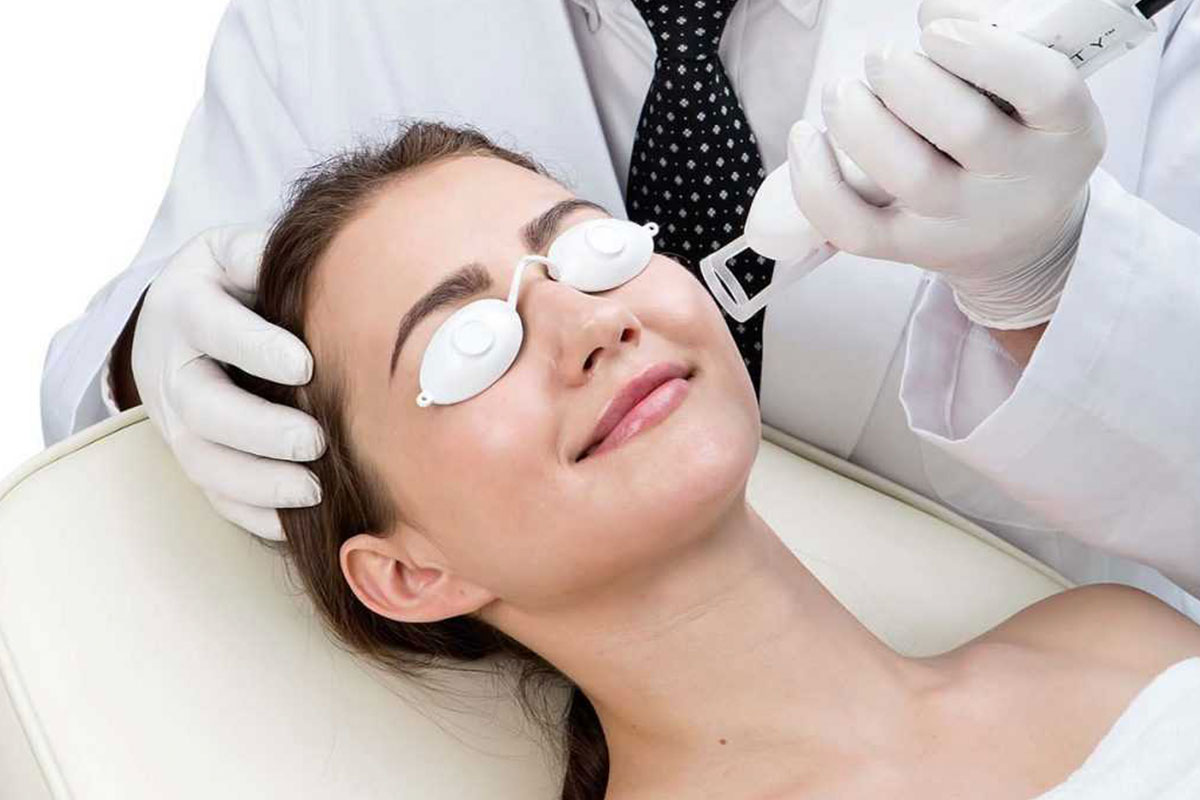
Customization at Magnolia can incorporate dermaplaning for physical exfoliation and vellus hair removal, enzyme peels using papain or bromelain to gently dissolve dead keratinocytes without the irritation of AHAs, mild chemical exfoliation with glycolic or lactic acid for appropriate skin types, LED light therapy in red (anti-aging, anti-inflammatory), blue (antibacterial for acne-prone skin), or combination wavelengths, gua sha and manual lymphatic massage, and targeted eye and lip treatment. No two facials are identical because no two patients — and no two visits from the same patient — are.

Why do We Use
Custom Facial
The rationale for custom over standardized facial protocols is straightforward: skin isn't uniform across patients, and it isn't static within a single patient across time. The approach that produces optimal outcomes for oily, congested skin produces adverse reactions in sensitized or compromised skin. The active exfoliation appropriate in winter when the skin is thick and dull is too aggressive in summer when UV exposure has already stressed the barrier. A protocol that doesn't adapt to these variables isn't providing treatment — it's providing a standardized experience that may or may not be appropriate for the person in the chair.
At Magnolia, the skincare team's training covers dermatological skin typing, fitzpatrick phototype assessment for active selection safety, contraindication recognition, and the specific ingredient categories that address each concern without provoking the others. A patient with both hyperpigmentation and active acne needs brightening actives that don't trigger more inflammation and acne treatment that doesn't cause post-inflammatory pigmentation — two concerns that require thoughtful product selection when both are present simultaneously. That level of treatment customization doesn't happen without a genuine assessment and a provider who understands skin biology at the ingredient level.

Key Benefits of
Custom Facial
Treatment That Addresses What Your Skin Is Actually Doing, Not What's on the Menu: The most common complaint about facials at standard spas is that nothing changes. The products are pleasant, the experience is relaxing, and three weeks later your skin looks exactly the same as it did before. That outcome is usually a consequence of protocols that don't distinguish between skin types, concerns, or current skin state — the same hydrating mask on the acne-prone patient and the dry skin patient, the same enzyme peel on the sensitized and the thickened skin. Custom assessment-driven facials change this because the treatment decision is made after evaluating your specific skin on that specific day, not before you sit down. A patient whose skin is sensitized from recent retinoid use gets a barrier-repair focused treatment regardless of what they came in planning to do. A patient with a congested T-zone and minimal sensitivity gets a more aggressive exfoliation and thorough extractions because their skin can handle it and needs it. The protocol is built from the assessment.
Active Acne and Congestion Management Without Destroying the Skin Barrier: Acne-prone patients are among the most frequently overtreated in aesthetic settings — aggressive peels on actively inflamed skin, extractions attempted on cystic lesions that shouldn't be extracted, harsh stripping cleansers that damage barrier function and drive compensatory sebum overproduction. A well-executed custom facial for acne-prone skin uses salicylic acid's lipophilic penetration to decongest follicular channels, beta-hydroxy acid exfoliation to reduce comedone formation, targeted clay mask treatment to absorb excess sebum without desiccating surrounding skin, and extraction technique appropriate only for soft, ready comedones — not inflamed papules that aren't safe to extract. LED blue light treatment (415nm) delivers antibacterial activity against Cutibacterium acnes in the follicle without the irritation of additional topical actives on already-reactive skin. The result is meaningful congestion reduction and inflammatory calming without a compromised barrier that rebounds with worse breakouts the following week.
Hyperpigmentation and Uneven Tone — Targeted Brightening Without Risk of Rebound: Post-inflammatory hyperpigmentation, melasma, sun-induced lentigines, and the generally uneven pigmentation that North Texas sun accumulates over decades all require a more targeted approach than a general brightening facial delivers. Custom facials for hyperpigmentation at Magnolia incorporate lactic or mandelic acid exfoliation — both AHAs that exfoliate while being less likely to trigger post-inflammatory pigmentation in darker skin types than glycolic acid — vitamin C serums with appropriate L-ascorbic acid concentrations to inhibit melanogenesis at the tyrosinase level, niacinamide to reduce melanosome transfer from melanocytes to keratinocytes, and kojic acid or tranexamic acid ingredients where appropriate. Fitzpatrick skin type assessment determines how aggressively to exfoliate and which actives are safe for each patient's melanin density — because brightening treatments that trigger inflammation produce more hyperpigmentation in darker-skinned patients, and the clinical standard for addressing pigmentation has to account for the patient's skin color, not just their presenting concern.
Anti-Aging and Skin Quality Improvement — Collagen Stimulation Without Downtime: Anti-aging custom facials target the collagen synthesis and cell turnover slowdown that makes skin progressively duller, thicker in texture, and more finely lined with each decade. Retinol application at clinically active concentrations (available in professional skincare at levels not found in retail products) accelerates cell turnover and stimulates fibroblast activity. Peptide serums signal collagen synthesis through receptor-level communication independent of the retinol mechanism. Red LED light (633nm) stimulates mitochondrial activity in fibroblasts, increasing collagen and elastin production through photobiomodulation — the same mechanism that makes red light therapy effective at the systemic level but delivered at the tissue surface. Hyaluronic acid serums applied to slightly damp skin draw atmospheric moisture into the dermis. The combination addresses the cellular biology of skin aging rather than superficially hydrating the stratum corneum, and the results accumulate across a series of treatments in ways that a single session begins but doesn't complete.
Sensitive Skin and Barrier Restoration — Calming Without Avoiding Effectiveness: Patients with sensitized, reactive, or rosacea-prone skin frequently receive ineffective treatments because providers hesitate to use anything active on their skin. The alternative — a purely emollient, active-free facial — produces temporary comfort and nothing lasting. Custom facials for sensitive skin at Magnolia use barrier-repair actives that are genuinely effective for sensitization without being provocative: ceramide-rich serums to restore lipid matrix integrity, centella asiatica and bisabolol for anti-inflammatory support, azelaic acid at appropriate concentrations for rosacea-related redness and pigmentation without the irritation potential of retinol or strong AHAs, niacinamide for barrier support and redness reduction. LED red light at 633nm has documented anti-inflammatory effects that calm vascular reactivity without any physical or chemical provocation. The goal is a skin that's genuinely more resilient after a series of treatments — not temporarily soothed and just as reactive two weeks later.
Dermaplaning — Physical Exfoliation and Vellus Hair Removal With Immediate Results: Dermaplaning uses a surgical-grade #10 scalpel blade at a 45-degree angle to physically remove the stratum corneum's accumulated dead keratinocytes and vellus facial hair (peach fuzz) simultaneously — producing immediately smoother skin texture and significantly improved serum penetration for the actives applied afterward. The vellus hair removal effect is cosmetic (the fine hairs grow back the same as before, not coarser) and also functional: it eliminates the light-diffusing effect that vellus hair has on skin appearance and removes the surface that traps makeup, product residue, and pollutants. Dermaplaning is particularly effective before special events when immediate radiance improvement matters. It's appropriate for dry, normal, and combination skin without active acne — it isn't performed on actively inflamed or oily acne-prone skin where it would disrupt active lesions and spread bacteria.
Who Benefits Most From
Custom Facial
Patients with Acne-Prone or Chronically Congested Skin: This is the patient population most likely to have received ineffective or actively counterproductive facial treatments elsewhere — overscrubbing, inappropriate extraction, harsh stripping actives that damage the barrier, or avoidance of anything active out of excessive caution. Custom facials for acne-prone skin at Magnolia produce genuine congestion clearance, reduced inflammatory burden, and improved skin texture with the appropriate technique for each lesion type — without the barrier disruption that causes rebounding breakouts in the weeks after treatment.
Patients with Melasma, Post-Inflammatory Hyperpigmentation, or Sun Damage: Pigmentation concerns require a precision approach that accounts for the patient's skin color, the type and distribution of the pigmentation, and the risk of triggering more PIH with overly aggressive exfoliation. The brightening-focused custom facial at Magnolia selects actives and exfoliation methods appropriate for each patient's fitzpatrick type — an approach that's genuinely effective across all skin tones rather than defaulting to protocols developed for lighter skin.
Patients Beginning a Corrective Skin Health Program: For patients starting retinoids, managing rosacea, recovering from laser or chemical peel treatments, or trying to improve significantly compromised skin, custom facials provide the professional exfoliation, targeted treatment, and barrier support that accelerates the improvement trajectory and prevents the setbacks that non-customized treatments can cause during active skin programs.
Patients Wanting Maintenance and Ongoing Skin Health: Monthly custom facials — adjusted each visit based on seasonal changes, new concerns, and where the skin is in its current state — are the professional maintenance layer that keeps skin progressing between more intensive treatments. For patients with HydraFacial, microneedling, or laser treatments on their program, the custom facial fills the monthly maintenance role that keeps the skin optimized between procedural intervals.
What To Expect From
Custom Facial
Step 1 — Skin Assessment: Before any product touches your skin, your provider evaluates skin type, current condition, specific concerns, and any products or treatments you've done recently that affect what's appropriate today. This assessment determines every product and technique choice that follows.
Step 2 — Double Cleanse: A professional cleanse removes makeup, sunscreen, and surface debris. For oily skin, a second cleanse with a targeted foaming or gel cleanser addresses follicular buildup. Steam may be applied to soften sebum plugs and prepare for extraction.
Step 3 — Exfoliation: Method and intensity are selected based on your skin assessment. Options include enzyme exfoliation (papain or bromelain), mild AHA/BHA chemical exfoliation, dermaplaning, or a combination. Exfoliation depth is calibrated to your current barrier integrity — aggressive exfoliation on a compromised barrier does more harm than good.
Step 4 — Extraction: Manual or assisted extraction of non-inflamed comedones (blackheads, whiteheads) where indicated. Not performed on actively inflamed papules or pustules. Extraction is followed by targeted post-extraction calming serum or mild antibacterial application to minimize post-extraction erythema.
Step 5 — Treatment Serums and Mask: Targeted serums addressing your specific concerns — vitamin C, peptides, niacinamide, hyaluronic acid, retinol, azelaic acid, or others — are applied in appropriate sequence. A mask formulation matched to your skin's needs (clay for oily/acne-prone, hydrating sheet mask for dry/dehydrated, calming for sensitive, brightening for pigmentation) is applied for 10–15 minutes. Optional LED therapy is incorporated during the mask step.
Step 6 — Finishing: Post-mask serums, moisturizer appropriate for your skin type, and SPF to complete treatment. Recommendations for home care adjustments based on findings during the assessment are discussed before you leave.

Is
Custom Facial
right for me?
Custom facials are appropriate for virtually all skin types and concerns. Active skin infections, open wounds, or highly inflamed active cystic acne are contraindications for extraction and aggressive exfoliation — the treatment is modified to avoid affected areas or focuses on calming rather than corrective modalities. Patients on isotretinoin should not receive chemical exfoliation or dermaplaning during active treatment. Recent laser resurfacing, medium or deep chemical peels, or microneedling require a healing interval before facial treatment — your provider will confirm timing.
Patients who are pregnant can receive custom facials with modification to avoid certain actives (high-concentration retinol, salicylic acid above certain concentrations, hydroquinone) that aren't appropriate during pregnancy. The treatment is adapted accordingly with appropriate alternatives.
🏆 Voted "Best in Tarrant County" by Society Life Magazine
Custom Facial at Magnolia Functional Wellness — Southlake, TX
Most facial menus are organized by concern — the brightening facial, the anti-aging facial, the acne facial — as if a patient who comes in with uneven skin tone doesn't also have congestion, as if the anti-aging patient doesn't also have some barrier sensitivity, as if treating one concern in isolation from the others produces meaningful outcomes. It usually doesn't.
Built from Assessment, Not the Menu
Every custom facial at Magnolia starts with a skin assessment that evaluates skin type, current barrier integrity, active concerns, recent treatments, and seasonal factors affecting what the skin can tolerate that day. The findings from that assessment build the protocol — not the other way around.
This matters practically. A patient with oily, acne-prone skin who comes in after a week of aggressive retinoid use may need barrier repair more than exfoliation that day, even though their skin type normally tolerates — and benefits from — more aggressive treatment. A patient with mature, dry skin who's been using a basic moisturizer for months may be ready for a genuinely active treatment with retinol and peptides rather than another hydrating mask. The assessment tells the provider which scenario they're in. The menu doesn't.
The Full Range of Customization Options
Exfoliation can be enzymatic (gentle, appropriate for sensitive skin), chemical (AHA or BHA at appropriate concentrations for skin type and condition), physical through dermaplaning (immediate texture improvement and vellus hair removal with excellent serum penetration enhancement afterward), or a combination. Treatment serums span the relevant ingredient categories — vitamin C for pigmentation and antioxidant protection, peptides for collagen signaling, retinol for cell turnover acceleration, niacinamide for barrier support and redness reduction, azelaic acid for rosacea-related concerns, hyaluronic acid for deep hydration. LED therapy — red for anti-inflammatory and collagen-stimulating photobiomodulation, blue for antibacterial activity against Cutibacterium acnes, or combination — is incorporated during the mask step when appropriate.
The result is a treatment that's genuinely specific to the patient receiving it — not a pleasant spa experience that doesn't change anything, and not an aggressive protocol that damages a sensitized barrier in the name of being "medical-grade."
A Monthly Foundation for Skin Health
For patients with ongoing skin health goals — managing acne, treating hyperpigmentation, maintaining skin quality between laser or microneedling treatments, or simply keeping skin consistently at its best — monthly custom facials provide the professional exfoliation, targeted treatment, and assessment-based adjustment that at-home skincare alone doesn't replace. The aesthetic team at Magnolia tracks how your skin is responding to the program over time, adjusts the approach as concerns evolve, and coordinates with Dr. Abdullah's clinical picture when skin concerns intersect with hormonal or medical factors driving them.
Magnolia serves patients from Southlake, Westlake, Colleyville, Grapevine, Keller, Trophy Club, Flower Mound, and across the DFW Metroplex
How Process Works at
Magnolia Functional Wellness
Assess
We begin with a comprehensive evaluation of your health, goals, and medical background to understand the root causes, not just the symptoms.
Personalize
Based on your results, we create a tailored functional wellness plan using evidence-based therapies designed specifically for your body and needs.
Optimize
Through ongoing care, monitoring, and adjustments, we help you achieve sustainable improvements in performance, vitality, and long-term health.
Assessment Before Every Treatment — Protocol Built from Findings, Not the Menu
Skin type, barrier condition, active concerns, recent treatments, and seasonal factors are evaluated before any product is selected. The protocol is built from the assessment — not the reverse. Two patients booked for the same appointment may receive entirely different treatments because their skin has different needs.
Full Customization Toolkit — Dermaplaning, LED, Enzymes, AHAs, Peptides, Retinol
Exfoliation method, treatment serums, mask formulation, and optional add-ons including dermaplaning and LED therapy are all selected based on your specific assessment. The range of options means the right tool is available for whatever your skin needs that day — not whatever the standard protocol includes.
Acne and Congestion Treatment With Appropriate Technique
Extraction technique matched to lesion type, salicylic acid exfoliation for follicular decongestion, clay treatment for sebum absorption, and LED blue light for antibacterial activity — without the barrier disruption and rebound breakouts that aggressive acne facials cause. Managing acne skin requires precision, not aggression.
Brightening for All Fitzpatrick Types — Pigmentation Treatment That's Safe for Darker Skin
Brightening actives and exfoliation methods are selected based on Fitzpatrick skin type — because aggressive exfoliation triggers post-inflammatory hyperpigmentation in darker skin tones, making the pigmentation worse. Custom assessment ensures the brightening approach is appropriate for your skin color, not just your presenting concern.
Monthly Maintenance That Adapts as Your Skin Changes
Custom facials tracked across visits allow the aesthetic team to adjust the approach as concerns evolve, seasons change, and skin responds to the program. Monthly professional treatment in a relationship that knows your skin is the foundation of consistent long-term skin health.
Coordination with Clinical Care When Skin Reflects What's Happening Internally
Hormonal changes, thyroid dysfunction, GLP-1-related skin changes, and stress-driven skin disruption all produce skin manifestations that the aesthetic team at Magnolia can connect to Dr. Abdullah's clinical picture. Skin that's persistently reactive, suddenly worsening, or not responding to appropriate topical treatment sometimes has a medical driver — and Magnolia is positioned to evaluate both.
Your Questions Answered
Led by trained medical professionals delivering safe, effective, and scientifically backed aesthetic and wellness treatments.
How is a custom facial different from a regular facial?
A standard facial applies a fixed protocol regardless of who's in the chair. A custom facial starts with a skin assessment and builds the treatment from what it finds — different exfoliation method and intensity, different serums, different mask, different LED wavelength, and different technique for extraction or dermaplaning based on your specific skin type, current condition, and the concerns you're addressing. Two patients booked for the same appointment time may receive entirely different treatments.
How often should I get a custom facial?
Monthly custom facials are the professional maintenance standard for most skin health goals. The skin's natural turnover cycle is approximately 28 days in younger patients and slower with age — monthly professional exfoliation and treatment aligns with that biology. Patients managing active acne or hyperpigmentation may benefit from every two to three week intervals initially. Patients maintaining healthy skin may do well with every four to six weeks.
Can I get a facial if I'm on Accutane or retinoids?
Patients on isotretinoin (Accutane) should not receive chemical exfoliation, dermaplaning, or extractions during active treatment — the skin is significantly sensitized and barrier-compromised. A calming, hydrating treatment without active exfoliation can be appropriate depending on current skin condition. Patients on topical retinoids (tretinoin, retinol) can receive custom facials with modification — the team will adjust exfoliation intensity based on your current retinoid use and any current sensitivity.
What concerns can a custom facial address?
Acne and congestion, post-inflammatory hyperpigmentation, melasma, sun damage, fine lines and texture, dehydration, enlarged pores, redness and rosacea-related concerns, dullness, and general skin maintenance. Many patients have multiple overlapping concerns — the custom assessment determines which to prioritize in the current treatment and how to address multiple issues without the actives for one concern provoking another.
Does dermaplaning make facial hair grow back thicker?
No — this is one of the most persistent myths in skincare. Vellus facial hair grows from fine follicles in the upper dermis that aren't affected by the surface-level scalpel blade. The hair grows back with the same texture and the same color as before. Dermaplaning physically removes vellus hairs and the dead surface keratin layer simultaneously — the skin is immediately smoother and more reflective, and serums applied afterward penetrate significantly better with the surface layer removed.
Can I wear makeup after a facial?
For most custom facials — including enzyme, AHA/BHA exfoliation, and dermaplaning — it's best to let the skin rest without makeup for the remainder of the day. SPF is always applied at the end of treatment. After 24 hours, normal makeup application is fine. After more aggressive exfoliation or if extractions were performed, keeping the skin clean and free of heavy makeup products for 24–48 hours is recommended.
Need More Information?
Our team is ready to answer your specific questions and concerns.
Redefine Your Glow. Reimagine Your Life.
Led by trained medical professionals delivering safe, effective, and scientifically backed aesthetic and wellness treatments.
Not what you were looking
for? Explore More.
At Magnolia Functional Wellness, every treatment is guided by medical science, regenerative principles, and individualized care. We focus on restoring physiology at its source, enhancing vitality, and supporting long term health with evidence based interventions that go beyond traditional aesthetics.