



IV NAD+ Therapy in Southlake, TX
NAD+ has been used clinically since the 1960s — one of the earliest IV nutrients ever studied in human medicine — and the science behind it has only deepened since. It's not a wellness trend that arrived with the longevity movement. It's a coenzyme at the center of cellular energy production, DNA repair, and neurological function that declines by roughly half between early adulthood and midlife, and whose depletion shows up in ways that are very easy to mistake for "just getting older." At Magnolia Functional Wellness, Dr. Farhan Abdullah supervises every NAD+ infusion with physician-grade attention to dosing and rate — because the biology is serious enough that the administration should be too.
Learn More About
NAD+ Therapy
.svg)
What is
NAD+ Therapy
NAD+ — nicotinamide adenine dinucleotide — is a coenzyme present in every living cell, functioning as the central electron carrier in the mitochondrial respiratory chain and as the required substrate for two enzyme families that are now at the forefront of aging and neurological research: sirtuins (SIRT1–7), which regulate gene expression, inflammation, stress resistance, and mitochondrial biogenesis; and PARPs (poly ADP-ribose polymerases), the primary enzymes your cells use to detect and repair DNA damage. Both consume NAD+ to function. When NAD+ is depleted — as it progressively is with age, chronic illness, substance use, and physiologic stress — both systems slow down. DNA damage accumulates. Mitochondria lose efficiency. Cells age faster than they should.
The decline is measurable and consistent. Intracellular NAD+ levels fall approximately 50% between early adulthood and midlife, driven by reduced biosynthetic enzyme activity, increased consumption by CD38 (an NADase that's activated by aging-related inflammation and senescent cells), and declining precursor availability. What makes this clinically significant is that the downstream effects of NAD+ depletion are broad: energy metabolism, cognitive function, DNA repair, circadian regulation, immune function, and the metabolic flexibility that determines how well your body responds to everything else you're doing to stay healthy.
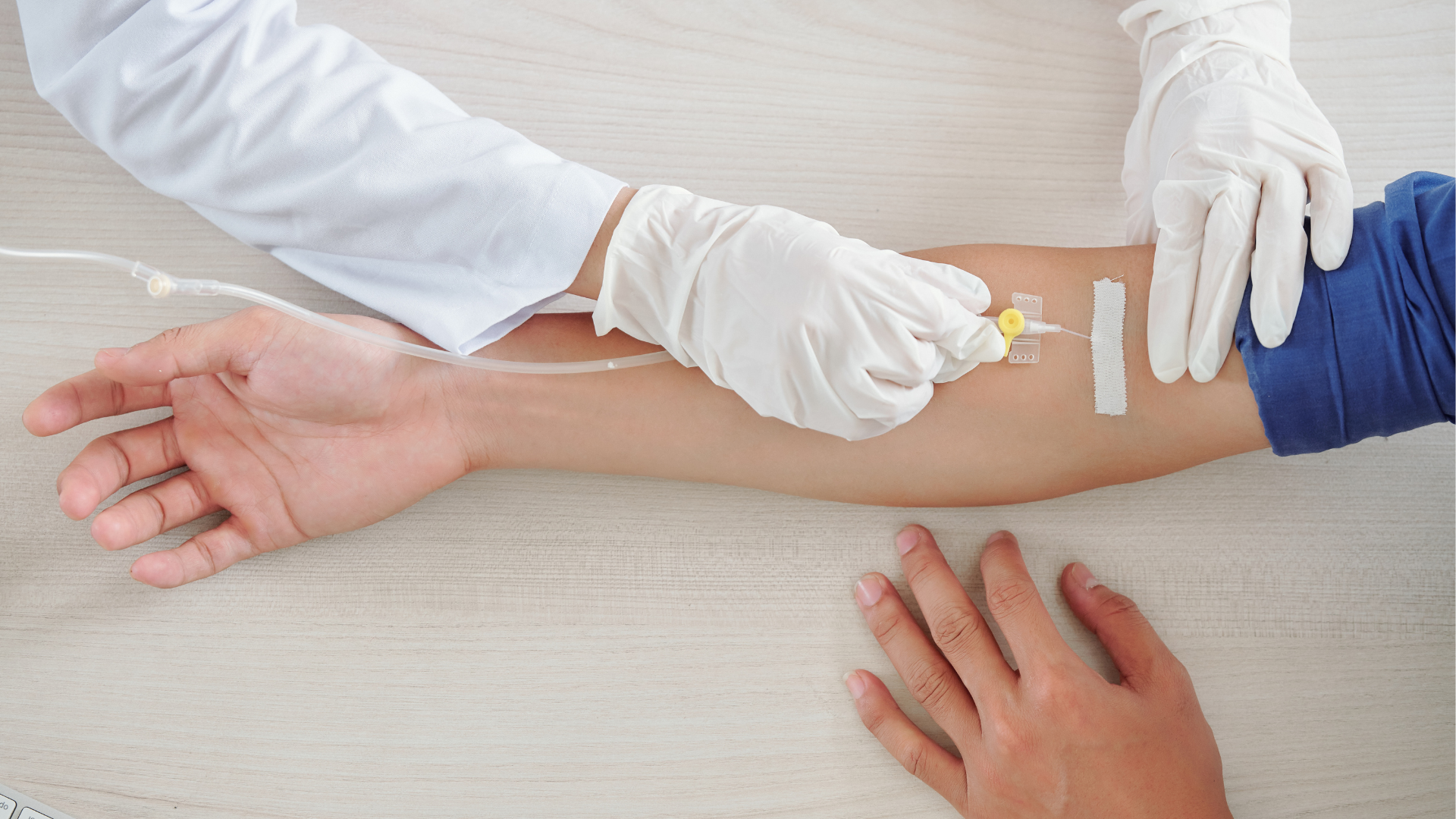
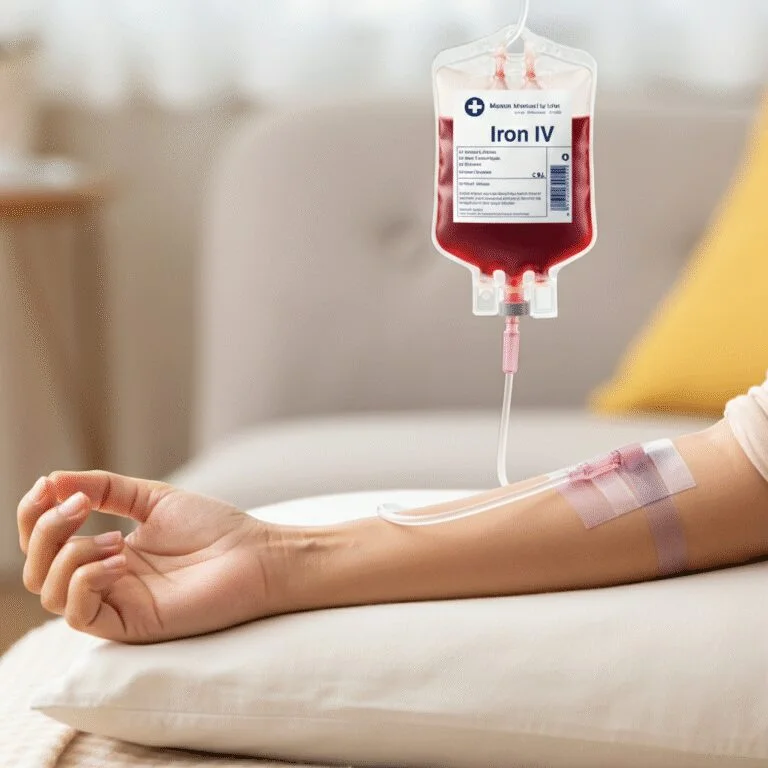
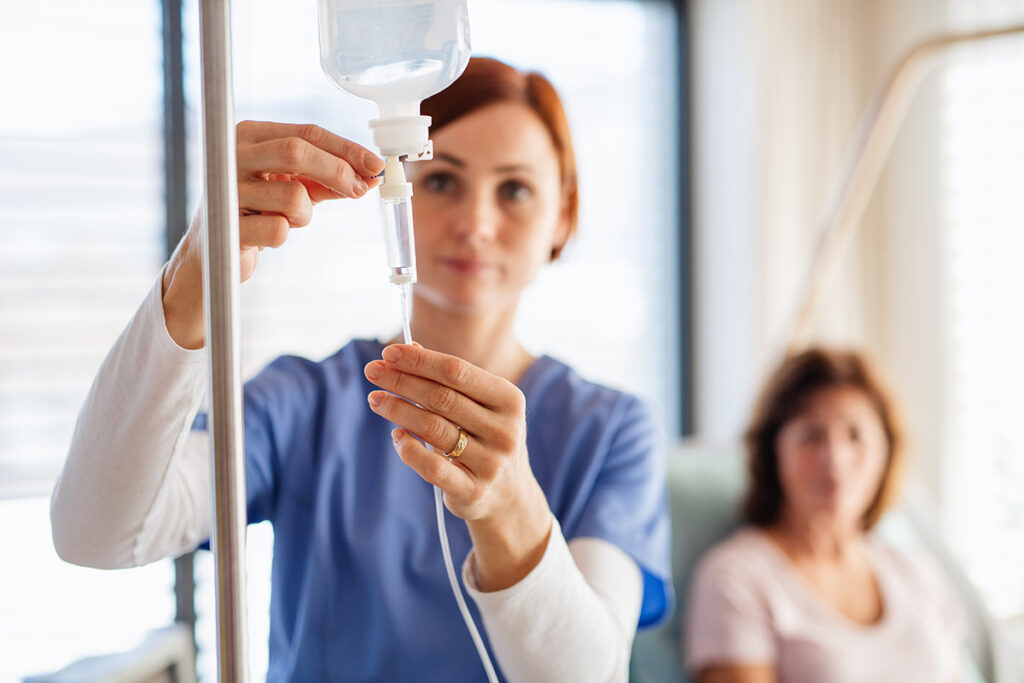
IV NAD+ delivers the coenzyme directly into systemic circulation at concentrations that oral precursors like NMN and NR can't reliably achieve — bypassing GI absorption variability, first-pass metabolism, and the enzymatic conversion steps that limit what the oral route delivers intracellularly. Sessions at Magnolia run 2–4 hours because infusion rate matters clinically: rapid administration activates adenosine and niacin receptors producing flushing, chest tightness, and cramping that are entirely manageable at appropriate rates but require active monitoring.

Why do We Use
NAD+ Therapy
The honest position on IV NAD+ versus oral precursors is this: the oral route works, the IV route works better and faster for acute therapeutic purposes, and the right choice depends on what you're trying to accomplish.
Oral NMN and NR have genuine human trial evidence. They raise blood NAD+ levels, they've shown effects on insulin sensitivity, muscle mitochondrial function, and cardiovascular health in controlled studies, and for baseline maintenance they're a legitimate and affordable option. The limitations are the ceiling on achievable concentrations from GI absorption, individual variability in conversion efficiency, and the time it takes to meaningfully replete significantly depleted stores through the oral route.
IV NAD+ bypasses all of that. Plasma concentrations after IV infusion are substantially higher than anything oral supplementation achieves. For patients with significant depletion — from aging, chronic illness, alcohol history, cancer treatment, prolonged physiologic stress — IV repletion compresses the recovery timeline and achieves systemic levels that the oral route builds toward slowly. For patients pursuing intensive longevity optimization or neurological support applications, IV delivery is the appropriate tool.
The rate management requirement is clinical reality, not excessive caution. Rapid NAD+ infusion produces flushing, chest tightness, nausea, and cramping through adenosine and niacin receptor activation. These resolve quickly when the rate is reduced — they're not dangerous — but they require someone monitoring and adjusting. Infusion lounges that run NAD+ without physician oversight are skipping the part that makes the treatment safe to deliver at effective doses.

Key Benefits of
NAD+ Therapy
Mental Clarity and Cognitive Sharpness That Patients Notice Fast: This is typically the first thing people report after a NAD+ infusion — not in a vague way, but specifically. A reduction in the cognitive fog that's been normalized as busy-life baseline. Sharper processing, better word retrieval, reduced mental fatigue. The mechanism is direct: neurons are extraordinarily energy-intensive, and NAD+-supported mitochondrial function is what keeps that energy supply reliable. Research published in Cell Metabolism found that restoring NAD+ levels in aged animal models significantly improved higher brain function and cerebrovascular health. Clinical observation in humans has consistently aligned with that finding.
Neurological Repair and Neuroprotection: NAD+ is central to the health of the nervous system in ways that go beyond energy — SIRT1 activation has direct neuroprotective effects, PARP-mediated DNA repair addresses neuronal genomic stability, and NAD+ supports the production of BDNF (brain-derived neurotrophic factor), which drives neuronal growth and the synaptic plasticity underlying learning and memory. The NADPARK study published in Cell Metabolism (2022) and the NR-SAFE trial in Nature Communications (2023) both documented that NAD+ repletion in Parkinson's patients was safe and produced meaningful augmentation of the NAD metabolome — with early signals of clinical improvement that have generated significant research interest in neurodegenerative applications.
Addiction Recovery and Neurochemical Restoration: IV NAD+ therapy for addiction has a clinical history going back to 1961 — Dr. Paul O'Hollaren first documented it as an approach to alcohol and opiate dependence over six decades ago, making it one of the oldest IV nutritional applications in medicine. The mechanism makes sense: chronic substance use depletes NAD+ through multiple pathways while simultaneously damaging the dopaminergic and glutamatergic systems that drive craving and withdrawal. NAD+ repletion at higher doses supports neurochemical restoration, reduces withdrawal intensity, and helps rebuild the cellular energy economy that substance use has degraded. This isn't fringe medicine — it's one of the most clinically documented applications of IV NAD+, with ongoing interest from addiction medicine researchers.
Deep Cellular Energy Restoration — Beyond Caffeine and Stimulants: The fatigue that NAD+ depletion produces isn't the kind that a second coffee fixes. It's mitochondrial — a cellular energy production problem, not a stimulant deficiency. NAD+ is the rate-limiting substrate in the electron transport chain, and when its intracellular levels drop, ATP synthesis drops with it. Patients describe the energy improvement after NAD+ infusion as qualitatively different from stimulant-based alertness: sustained, clear, without the crash. For patients who've normalized persistent fatigue or who've tried every supplement without meaningful effect, this distinction is often the one that finally makes sense of what they've been experiencing.
DNA Repair at the Cellular Level — Aging's Most Underappreciated Target: Every one of your cells sustains thousands of DNA strand breaks daily from oxidative stress, replication errors, and environmental exposures. PARP enzymes repair these constantly — but they require NAD+ to do it, and in a NAD+-depleted state, unrepaired DNA damage accumulates faster than it's corrected. This is one of the most direct connections between NAD+ levels and biological aging rate, and one of the most compelling mechanistic arguments for NAD+ repletion in anyone serious about longevity. You can't exercise your way to adequate PARP function if the substrate isn't there.
Metabolic Optimization and Insulin Sensitivity: NAD+-dependent SIRT1 and SIRT3 activity regulates insulin signaling, fatty acid oxidation, and the metabolic flexibility that determines how efficiently your body uses energy at rest and during activity. A 2018 randomized controlled trial in the American Journal of Clinical Nutrition found that NAD+ precursor supplementation improved insulin sensitivity in obese men. For patients on GLP-1 programs, the combination is additive — GLP-1 medications reduce caloric intake and improve glycemic control at the hormonal level; NAD+ supports the cellular metabolic machinery that determines what happens with the energy that is consumed.
Who Benefits Most From
NAD+ Therapy
Patients Experiencing Cognitive Decline or Persistent Brain Fog: This is one of the most clinically exciting applications of NAD+ given the emerging neurodegenerative disease data. Patients noticing early memory changes, word-finding difficulties, processing slowdown, or the general cognitive dulling that they've accepted as age-appropriate — but that NAD+ depletion may be significantly driving — are compelling candidates. The preclinical data on NAD+ restoration in Alzheimer's and Parkinson's models is consistently positive, the NADPARK and NR-SAFE trials in Parkinson's patients show safety and NAD+ metabolome augmentation, and the clinical observations in practice are hard to ignore. This isn't a cure for neurodegeneration — it's addressing a fundamental substrate deficit in the brain cells that are fighting to survive it.
Patients in Addiction Recovery: IV NAD+ has the longest clinical track record of any IV nutritional therapy specifically in addiction recovery. For patients in early recovery from alcohol or opioid dependence — or those managing chronic relapse with other approaches — high-dose NAD+ infusion addresses the neurochemical depletion and neurological damage that standard recovery protocols don't directly target. The dopaminergic and glutamatergic restoration that NAD+ supports is mechanistically relevant to cravings and the neurological instability of early recovery. Dr. Abdullah approaches this application with appropriate clinical evaluation and structures protocols around the specific substance history and current recovery context.
Patients on Longevity and Geroprotective Protocols: Rapamycin inhibits mTOR. Metformin activates AMPK. Senolytics clear senescent cells. NAD+ replenishes the cellular energy and repair substrate that all of those mechanisms depend on to function. There's a reason NAD+ is the most universally included intervention in serious longevity protocols — it's not competing with other approaches, it's foundational to them. Patients at Magnolia already on rapamycin, metformin, or peptide optimization get the full benefit of those interventions when the cellular energy economy is functioning at capacity.
Patients with Post-COVID Fatigue and Long-COVID Symptoms: Post-COVID syndrome — the persistent fatigue, cognitive fog, and multi-system dysfunction that affects a significant proportion of COVID survivors — has substantial overlap with the clinical picture of NAD+ depletion. COVID-19 infection is thought to deplete NAD+ through increased PARP demand from viral-induced DNA damage and CD38 upregulation from the inflammatory response. While controlled trial data specifically on IV NAD+ for Long COVID is limited, the mechanistic rationale is strong and clinical reports from functional medicine practices have been encouraging. For patients who haven't recovered baseline energy and cognition months to years after COVID, NAD+ repletion is one of the most biologically rational interventions available.
High-Performing Patients Whose Baseline Has Quietly Shifted: Some of the most motivated NAD+ patients aren't the ones with obvious depletion symptoms — they're the executives, physicians, attorneys, and athletes who notice that their performance ceiling has quietly dropped over the past several years and can't fully attribute it to anything specific. The mental sharpness that used to be effortless requires more effort. Recovery from hard training takes longer. The reservoir of cognitive and physical resilience that was always there feels shallower. NAD+ depletion is a plausible and addressable contributor to all of it — and the performance recovery patients describe after a course of infusions frequently reflects what they were looking for.
What To Expect From
NAD+ Therapy
Step 1 — Consultation and Health Evaluation: Dr. Abdullah reviews your health history, current medications, and clinical goals before recommending NAD+ therapy. For patients already established in the Magnolia longevity or hormone optimization program, this is largely an extension of the existing clinical relationship. New patients receive a focused intake that identifies any contraindications and establishes the clinical rationale for IV versus oral supplementation.
Step 2 — Dose Selection: NAD+ infusion doses range from 250mg to 1,000mg depending on clinical goal, depletion severity, and individual tolerance. First-time patients start at 250–500mg to establish tolerance before higher-dose sessions. Addiction recovery and intensive neurological support protocols typically use higher doses with more frequent initial sessions. Dr. Abdullah guides dose selection based on your specific clinical picture.
Step 3 — Infusion: Sessions run 2–4 hours — not because it's pleasant to sit for that long, but because the infusion rate is the primary determinant of side effect intensity. Mild flushing, warmth, or brief muscle cramping during the infusion are rate-dependent and managed by slowing the drip. Most patients find the session relaxing once the rate is established. Bring headphones or something to read.
Step 4 — Post-Infusion: No downtime required. Most patients notice cognitive and energy effects within hours to a day. Some feel briefly tired right after — a normal response as cellular repair processes ramp up with restored substrate. The full effect builds over 24–48 hours, and cumulative effects with a treatment course are consistently more pronounced than single-session effects.
Step 5 — Protocol and Frequency: Initial courses of 3–5 closely spaced sessions address significant depletion. Maintenance protocols — monthly or quarterly for longevity patients — sustain the benefits. Addiction recovery and intensive neurological support applications may use more frequent initial dosing. Protocol is structured around your response and goals, not a rigid calendar.

Is
NAD+ Therapy
right for me?
IV NAD+ is appropriate for most adults pursuing cellular health, longevity support, cognitive optimization, addiction recovery support, or recovery from physiologic stress. Active malignancy requires individual clinical discussion before NAD+ therapy — the non-selective cellular energy support warrants a case-by-case risk-benefit evaluation. Pregnancy, severe renal impairment, and active G6PD deficiency are other considerations screened at consultation. For the vast majority of healthy adults, IV NAD+ has an excellent safety profile with over six decades of clinical use.
Patients who prefer not to commit to a 2–4 hour infusion can start with oral NMN or NR — Dr. Abdullah discusses both options and recommends the IV route specifically when the therapeutic goal warrants the concentration advantage it provides.
IV NAD+ Therapy at Magnolia Functional Wellness — Southlake, TX
IV NAD+ has been used clinically since 1961 — one of the oldest IV nutritional therapies in modern medicine, first documented for addiction recovery and now central to the most serious longevity medicine protocols in practice today. The science has caught up to the clinical observation. The NADPARK trial published in Cell Metabolism (2022) and the NR-SAFE trial in Nature Communications (2023) both documented meaningful NAD+ metabolome augmentation in Parkinson's patients with early signals of clinical improvement. Animal models consistently show neuroprotection, improved cognitive function, and extended lifespan with NAD+ repletion. Human clinical observation — in practices like ours — shows what the trials are still quantifying: patients feel it, and they feel it in ways that are difficult to attribute to anything other than the mechanism.
At Magnolia Functional Wellness, Dr. Farhan Abdullah oversees every NAD+ protocol. That means your dose, your frequency, and the clinical rationale for IV versus oral supplementation are determined by a physician who's reviewed your full health picture — not a wellness concierge who's read the brochure.
Why IV Delivery Matters
The NAD+ conversation often starts with "what about NMN or NR?" — and the honest answer is that oral precursors are legitimate and have human trial evidence. They work. The difference is ceiling and clinical relevance to your situation. Oral precursors require GI absorption, first-pass metabolism, and enzymatic conversion before becoming intracellular NAD+, with individual variability at every step and a concentration ceiling that GI absorption imposes. IV NAD+ enters systemic circulation directly at concentrations the oral route can't approach.
For patients with significant depletion — from aging, chronic illness, prolonged physiologic stress, alcohol history, or active neurological conditions — the speed and magnitude of IV repletion is clinically relevant in a way that oral supplementation can't replicate on a useful timeline.
The Infusion Experience
Sessions at Magnolia run 2–4 hours under the care of our trained clinical team. The rate isn't arbitrary — rapid NAD+ infusion activates adenosine and niacin receptors producing flushing, chest tightness, and cramping that are manageable at appropriate rates and uncomfortable at inappropriate ones. Our team monitors and adjusts in real time. This is the difference between physician-directed IV therapy and an unmonitored wellness drip — and it's the reason most patients who've had poor NAD+ experiences elsewhere find the Magnolia approach produces results the other didn't.
What Our Patients Are Treating
The clinical applications range from longevity optimization and cognitive support to post-illness recovery, Long COVID fatigue, addiction recovery neurological repair, and performance optimization. NAD+ integrates directly with our other longevity programs — rapamycin, metformin, peptide therapy, hormone optimization — as the foundational energy substrate that all of those interventions work within. Patients who add NAD+ to existing protocols consistently describe the other treatments working better. That's not coincidence.
Serving Southlake and the DFW Metroplex
We serve patients from Southlake, Westlake, Colleyville, Grapevine, Keller, Trophy Club, Flower Mound, and across the greater Dallas-Fort Worth Metroplex. Consultations are available in-clinic with telehealth follow-up for established patients.
How Process Works at
Magnolia Functional Wellness
Assess
We begin with a comprehensive evaluation of your health, goals, and medical background to understand the root causes, not just the symptoms.
Personalize
Based on your results, we create a tailored functional wellness plan using evidence-based therapies designed specifically for your body and needs.
Optimize
Through ongoing care, monitoring, and adjustments, we help you achieve sustainable improvements in performance, vitality, and long-term health.
Six Decades of Clinical Use — Not a New Wellness Trend
IV NAD+ therapy was first documented for addiction recovery in 1961 and has been used clinically ever since. The current longevity and performance interest in NAD+ is built on a foundation of decades of clinical observation and increasingly rigorous research — including published trials in Parkinson's disease, aging, and metabolic health. The biology is serious. The clinical history is real.
Cognitive and Neurological Effects That Go Beyond Energy
The NADPARK trial (Cell Metabolism, 2022) and NR-SAFE trial (Nature Communications, 2023) both documented safe NAD+ metabolome augmentation in Parkinson's patients with early signals of clinical improvement. Animal models consistently show neuroprotection, BDNF upregulation, and cognitive improvement with NAD+ repletion. The clinical observations in practice — sharper cognition, reduced fog, improved processing — reflect a neurobiological mechanism with genuine scientific grounding.
Addiction Recovery Support With a 60-Year Clinical Track Record
IV NAD+ for addiction recovery has been in clinical use longer than most modern pharmaceuticals. Chronic substance use depletes NAD+ while damaging the neurochemical systems that drive craving and withdrawal. High-dose NAD+ infusion supports neurochemical restoration and neurological repair that standard recovery protocols don't directly address. This application is managed through a dedicated clinical evaluation with Dr. Abdullah before treatment begins.
Direct IV Delivery — Therapeutic Concentrations the Oral Route Can't Match
NMN and NR are legitimate — they work. IV NAD+ works faster and achieves higher systemic concentrations by bypassing GI absorption, first-pass metabolism, and enzymatic conversion variability. For patients with significant depletion, intensive neurological goals, or acute recovery needs, IV is the tool that closes the gap in the timeline that oral supplementation builds toward slowly.
Physician-Supervised Rate Management — The Difference Between Effective and Uncomfortable
Infusion rate determines side effect intensity with NAD+. Our clinical team monitors every session and adjusts in real time under Dr. Abdullah's protocols — the physician-directed oversight that allows therapeutic dosing at tolerable rates. An unmonitored drip at a fixed rate is the reason some patients have had poor NAD+ experiences elsewhere. The supervision isn't a formality.
Foundational to Every Other Longevity Intervention You're Doing
Rapamycin, metformin, senolytics, peptides, red light therapy — none of these reach their ceiling when the cellular energy and repair substrate is depleted. NAD+ is the foundation the rest of your longevity protocol runs on. Patients at Magnolia who add IV NAD+ to their existing program consistently describe the other interventions working better, because they finally have the cellular capacity to respond to them.
Your Questions Answered
Led by trained medical professionals delivering safe, effective, and scientifically backed aesthetic and wellness treatments.
Why does the infusion take so long?
Rapid NAD+ infusion activates adenosine and niacin receptors producing flushing, chest tightness, nausea, and muscle cramping that are uncomfortable but not dangerous at manageable rates. The 2–4 hour window isn't excessive caution — it's the rate that delivers a therapeutically meaningful dose at a pace most patients tolerate comfortably. That's why physician supervision matters. An infusion lounge running NAD+ on a fixed drip without monitoring is running it too fast for some patients and not adjusting.
How is IV NAD+ different from taking NMN or NR capsules?
Oral NMN and NR are legitimate — they have real human trial evidence and they raise NAD+ levels meaningfully. The difference is ceiling and speed. Oral precursors need GI absorption, first-pass metabolism, and enzymatic conversion before becoming intracellular NAD+, with individual variability at every step. IV NAD+ enters circulation directly at concentrations the oral route can't approach. For patients using NAD+ for maintenance and gradual optimization, oral precursors are reasonable. For patients with significant depletion, intensive neurological support goals, or addiction recovery, IV is the appropriate tool — and the clinical history behind it goes back over 60 years.
I've heard NAD+ helps with addiction recovery — is that real?
It's one of the oldest applications of IV NAD+ in medicine, first documented clinically in 1961. The rationale is solid: chronic substance use depletes NAD+ through multiple mechanisms while damaging the dopaminergic and neurological systems that drive craving and withdrawal. NAD+ repletion at higher doses supports neurochemical restoration and neurological repair that standard recovery protocols don't directly address. The controlled trial evidence specifically for IV NAD+ in addiction is limited, but the clinical track record and mechanistic basis are both well-established. Dr. Abdullah discusses this application for appropriate patients with the clinical context it deserves.
What do people actually feel after an infusion?
The most consistent report is cognitive — a sharpness and clarity that patients describe as qualitatively different from caffeine or stimulants. Less fog, better processing, improved word retrieval. Energy that feels restored rather than artificially propped up. Some patients feel tired immediately after, which is normal as repair processes ramp up. The full effect builds over 24–48 hours. Patients who do a series of sessions consistently describe cumulative improvements more pronounced than what the first session produced.
Can I combine NAD+ with my other treatments at Magnolia?
Yes — and the combination is often specifically synergistic. NAD+ and red light therapy both support mitochondrial function through different mechanisms. NAD+ and rapamycin or metformin address overlapping longevity pathways from complementary angles. NAD+ and TRT address cellular energy and hormonal signaling simultaneously. Dr. Abdullah integrates NAD+ into your overall protocol where it adds the most clinical value — it's rarely the only intervention and almost always makes the others work better.
Is there anyone who shouldn't do NAD+ infusions?
Active malignancy requires individual clinical discussion — the non-selective cellular energy support warrants case-by-case evaluation. Pregnancy, severe renal impairment, and G6PD deficiency are other contraindications Dr. Abdullah screens for. For most healthy adults, IV NAD+ has a well-established safety profile across decades of clinical use.
Need More Information?
Our team is ready to answer your specific questions and concerns.
Redefine Your Glow. Reimagine Your Life.
Led by trained medical professionals delivering safe, effective, and scientifically backed aesthetic and wellness treatments.
Not what you were looking
for? Explore More.
At Magnolia Functional Wellness, every treatment is guided by medical science, regenerative principles, and individualized care. We focus on restoring physiology at its source, enhancing vitality, and supporting long term health with evidence based interventions that go beyond traditional aesthetics.