



The P-Shot (Priapus Shot) in Southlake, TX
The P-Shot uses platelet-rich plasma derived from your own blood to promote vascular and nerve regeneration in penile tissue — improving erectile function, sensitivity, and sexual performance. At Magnolia Functional Wellness, Dr. Farhan Abdullah administers the P-Shot as part of a comprehensive men's sexual health protocol. Not a gimmick. A physician-administered regenerative treatment with real clinical rationale.

Learn More About
The P-Shot
.svg)
What is
The P-Shot
The P-Shot — formally known as the Priapus Shot — is a regenerative treatment that uses platelet-rich plasma (PRP) derived from your own blood to stimulate tissue repair, vascular growth, and nerve regeneration in penile tissue. PRP contains concentrated growth factors including PDGF, VEGF, and TGF-β that signal angiogenesis (new blood vessel formation) and cellular repair — the same mechanisms that make PRP effective for joint healing and hair restoration, applied to sexual health tissue.
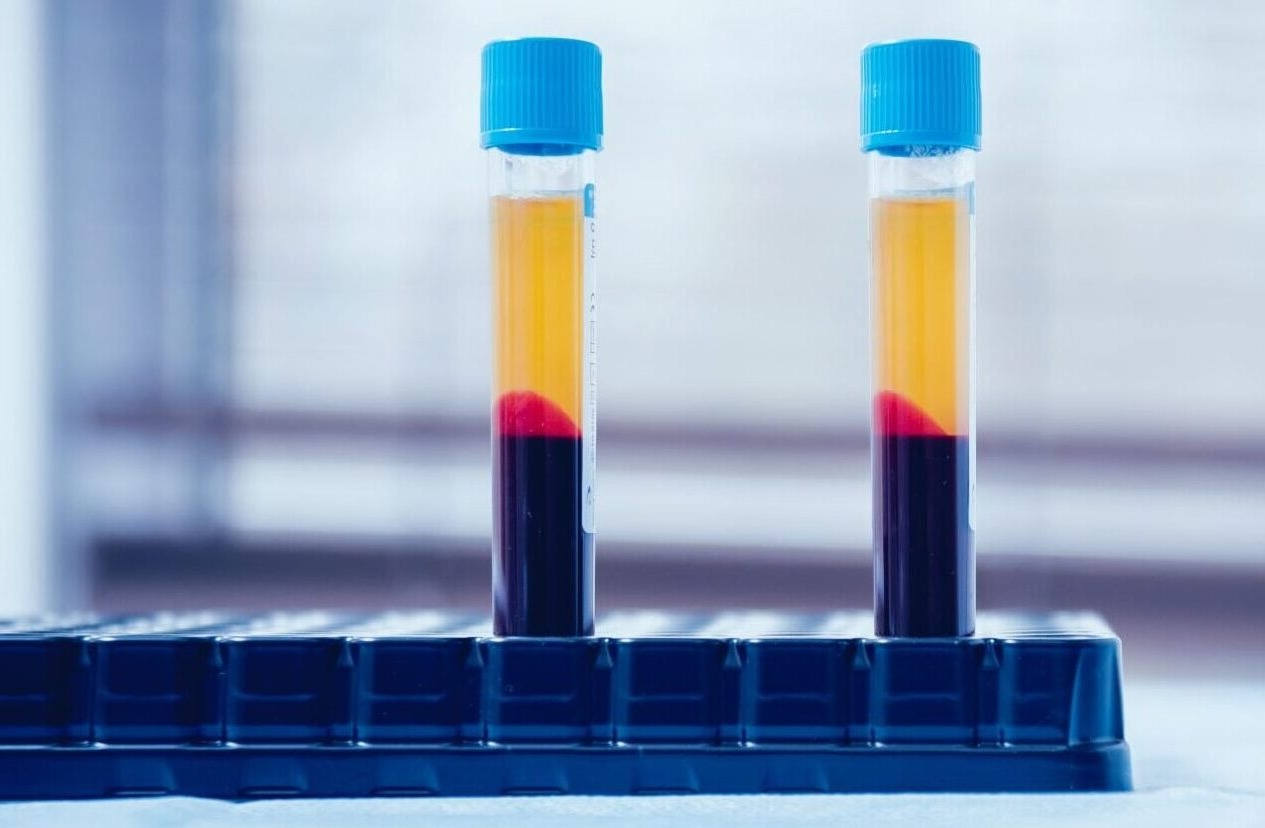
The procedure involves drawing a small amount of your blood, processing it to concentrate the platelet layer, and injecting the activated PRP into specific anatomical locations using a fine needle after topical anesthetic is applied. The entire process takes approximately 30–45 minutes and is performed in-clinic by Dr. Abdullah.
The clinical rationale is straightforward: erectile function depends on healthy vascular tissue, intact nerve signaling, and adequate smooth muscle integrity. All three can be compromised by age, diabetes, cardiovascular disease, prior surgery, or chronic low testosterone. PRP delivers growth factors that promote repair and regeneration across all three mechanisms.

Why do We Use
The P-Shot
Erectile dysfunction affects roughly 30 million American men — and the standard treatment algorithm of PDE5 inhibitors (sildenafil, tadalafil) addresses the symptom without touching the underlying tissue quality. For men whose ED has a vascular or tissue-quality component, regenerative approaches like the P-Shot offer something that medication alone can't: actual improvement in the underlying tissue rather than pharmacological compensation for it.
The P-Shot is particularly relevant for men with diabetes-related ED (where vascular and nerve damage is the primary driver), men who've had prostate surgery, men with Peyronie's disease (where PRP may help reduce plaque and improve curvature), and men who've had partial or diminishing response to PDE5 inhibitors over time.
At Magnolia Functional Wellness, the P-Shot is rarely administered in isolation. Dr. Abdullah evaluates your testosterone levels, cardiovascular risk factors, metabolic health, and current medications — because optimizing the hormonal and vascular environment alongside the regenerative treatment produces meaningfully better outcomes than PRP alone.

Key Benefits of
The P-Shot
Improved Erectile Function: PRP promotes angiogenesis and smooth muscle repair in erectile tissue, directly addressing the vascular component of ED that medications don't fix.
Enhanced Sensitivity: Growth factor delivery to nerve-rich tissue has been reported to improve penile sensitivity and sexual sensation in a significant proportion of patients.
Potential Size & Firmness Improvement: Some patients report improvements in both girth and rigidity as vascular tissue and smooth muscle quality improves — results vary and are secondary to the primary therapeutic goal.
Peyronie's Disease: PRP may reduce fibrous plaque formation and improve curvature in men with Peyronie's disease, either as standalone therapy or in combination with other treatments.
Improved Response to ED Medications: Many men find that PDE5 inhibitors work more effectively after P-Shot treatment, as the underlying tissue quality improves.
Autologous Safety: Derived from your own blood, the P-Shot carries negligible risk of allergic reaction or systemic side effects.
Who Benefits Most From
The P-Shot
Men with Vasculogenic Erectile Dysfunction: The majority of erectile dysfunction in men over 40 has a vascular component — reduced cavernous arterial inflow, endothelial dysfunction, and loss of smooth muscle compliance in the corpus cavernosum. These are structural changes in penile tissue, not purely psychological or hormonal, and they don't respond to PDE5 inhibitors the way functional ED does — which is why men who find Viagra or Cialis partially effective or ineffective are frequently dealing with a structural issue rather than a pharmacologic one. PRP's growth factors — VEGF, PDGF, FGF — directly stimulate angiogenesis and smooth muscle cell activity in cavernous tissue, addressing the vascular pathology rather than compensating for it pharmacologically. For men whose ED is driven by reduced penile blood flow, the P-Shot targets the actual tissue-level problem in a way that oral medications don't.
Men with Peyronie's Disease: Peyronie's disease — fibrous plaque formation in the tunica albuginea producing penile curvature, shortening, and pain during erection — is both underdiagnosed and undertreated in mainstream medicine. The condition affects an estimated 9% of men, causes significant psychological distress, and the standard of care options are either watchful waiting or surgical intervention, with little in between. PRP's anti-fibrotic and tissue-remodeling growth factors have demonstrated plaque softening and curvature reduction in multiple case series and emerging controlled trials — addressing the fibrotic lesion directly rather than managing its consequences. For men with mild to moderate Peyronie's who aren't surgical candidates or who want to exhaust conservative options first, the P-Shot represents the most biologically rational non-surgical intervention available.
Men on TRT Seeking Enhanced Sexual Function: Testosterone replacement therapy improves libido, energy, and general sexual function in hypogonadal men, but it doesn't always fully restore erectile function — particularly in men with established vascular disease or structural changes from years of unaddressed hypogonadism. The P-Shot works through a complementary mechanism to TRT: where testosterone optimizes hormonal signaling and libido, PRP addresses the tissue quality of the erectile apparatus itself. Men on Dr. Abdullah's TRT program who achieve good testosterone levels but find erectile function remains suboptimal are candidates for the P-Shot as a synergistic addition to their hormonal optimization protocol.
Men Recovering from Prostate Cancer Treatment: Radical prostatectomy and radiation therapy for prostate cancer both commonly produce erectile dysfunction through nerve and vascular injury — a consequence that significantly affects quality of life in survivors who are otherwise doing well. Penile rehabilitation following prostate cancer treatment is a recognized clinical priority, and PRP has been explored as an adjunct to conventional rehabilitation protocols. The growth factors delivered by PRP support the nerve and vascular recovery that determines whether erectile function returns after treatment-induced injury. This is an area where the evidence is still emerging, but the mechanism is sound and the patient population — men who've successfully treated cancer and want their quality of life back — deserves access to regenerative options alongside conventional rehabilitation.
Men Seeking Enhanced Sensitivity and Sexual Performance: Not every P-Shot candidate has a pathological condition. A meaningful proportion of men seeking this treatment are interested in improved sensation, enhanced erection quality beyond their current baseline, and more consistent performance — particularly as they approach midlife and notice subtle changes that haven't yet crossed into clinical dysfunction. PRP-driven neovascularization and nerve support can improve penile sensitivity, firmness, and recovery time in men without established ED, with effects that develop over weeks to months as the tissue responds to growth factor stimulation. Dr. Abdullah discusses realistic expectations for this population specifically — because the outcomes in men without established dysfunction are genuine but differ in character from the outcomes in men treating a clinical problem.
Men Seeking Non-Surgical Penile Enhancement: The P-Long Protocol — a combination approach developed by urologist Dr. Judson Brandeis and published in the Journal of Sexual Medicine — represents the most clinically credible evidence to date for non-surgical penile enhancement. The protocol combines monthly ultrasound-guided PRP injections into the corpora cavernosa with penile traction therapy, vacuum erection device use, and nitric oxide precursor supplementation (L-citrulline) over six months. The published pilot data reported average gains of 0.81 inches in erect length and 0.47 inches in girth, with 100% of participants showing measurable improvement and no adverse events. PRP processing in the study used a double-spin system with 84% platelet recovery at 6.6x concentration — comparable to the EmCyte protocol Dr. Abdullah uses at Magnolia.
A few important caveats worth stating plainly: this is a prospective non-randomized pilot study, not a randomized controlled trial, and the results reflect a combination protocol rather than PRP injections alone. The PRP is providing growth factor stimulation to cavernous tissue — driving the angiogenesis and smooth muscle remodeling that underlies the gains — but the traction and vacuum components are doing real mechanical work alongside it. Patients interested in this application should expect a multi-component protocol with a six-month commitment, not a single injection producing dramatic overnight results.
Emerging data also suggests that combining PRP with shockwave therapy — an approach being studied in the STUD Protocol by urologist Dr. Kia Michel at Comprehensive Urology — may amplify results further by adding acoustic wave stimulation alongside growth factor delivery. Dr. Abdullah discusses combination approaches during consultation for patients interested in enhancement alongside or separate from erectile dysfunction treatment.
What To Expect From
The P-Shot
Step 1 — Comprehensive Men's Health Evaluation: Dr. Abdullah reviews your hormone levels, cardiovascular health, metabolic markers, and ED history before recommending the P-Shot. This context determines whether PRP alone is appropriate or whether it should be combined with TRT, tadalafil, or other interventions.
Step 2 — Blood Draw & Processing: A small blood draw is processed in our centrifuge to concentrate the platelet layer. Processing takes approximately 15–20 minutes.
Step 3 — Topical Anesthetic: A numbing cream is applied to the treatment area and allowed to take full effect — typically 20–30 minutes. Discomfort during the procedure is minimal for most patients.
Step 4 — Injection: Dr. Abdullah administers the PRP using a fine needle to specific anatomical locations. The injection itself takes only a few minutes.
Step 5 — Vacuum Therapy Protocol: Before you leave the clinic, we'll walk you through the use of a vacuum erection device, which you'll take home as part of your P-Shot protocol. Using the device daily in the weeks following your injection draws blood flow to the treated tissue, promoting vascular engagement during the critical healing and regeneration window. It's a simple, painless process — we demonstrate proper technique in-clinic so you're comfortable using it at home. Consistent use significantly enhances and extends the tissue response to the PRP.
Step 6 — Recovery: Most men return to normal activity immediately. Sexual activity can typically resume within 4–7 days. Some mild swelling or bruising is normal and resolves quickly.
Step 7 — Results Timeline & Repeat Treatment: Initial improvements may be noticed within 2–4 weeks as vascular and tissue changes begin. Full results develop over 3 months. Many men benefit from 2–3 treatments spaced 6–8 weeks apart, with annual maintenance as needed.

Is
The P-Shot
right for me?
The P-Shot is worth serious consideration if you're dealing with ED that has a vascular or tissue-quality component, diminishing response to PDE5 inhibitors, Peyronie's disease, reduced sensitivity, or if you've had prostate surgery and are managing post-surgical sexual health recovery.
It works best as part of a broader men's health approach — particularly when combined with testosterone optimization if your levels are suboptimal. Dr. Abdullah will give you an honest assessment during your consultation, including whether the P-Shot is likely to produce meaningful results for your specific situation.
The P-Shot at Magnolia Functional Wellness in Southlake, TX
Men's sexual health is one of the most undertreated areas in medicine — not because the tools don't exist, but because most men don't ask and most physicians don't initiate the conversation. Dr. Abdullah and our team do both.
The P-Shot is one component of a comprehensive men's sexual health and hormone optimization approach at Magnolia Functional Wellness. We don't administer it in isolation — we evaluate testosterone, vascular health, metabolic markers, and current medications first, because context determines outcome.
The Magnolia Difference: Comprehensive Men's Health
A physician who understands that erectile function sits at the intersection of hormonal health, cardiovascular function, and metabolic status is a different provider than one who simply administers PRP and sends you home. Dr. Abdullah's internal medicine background means he sees the full picture — and treats it accordingly.
Confidentiality & Comfort
We understand this is a sensitive area. Every aspect of your care at Magnolia Functional Wellness is handled with complete discretion. Dr. Abdullah has administered these protocols for male sexual health patients throughout the DFW area, and the consultation process is designed to be direct, non-judgmental, and clinically focused.
We serve patients from Southlake, Westlake, Keller, Colleyville, Trophy Club, Grapevine, and the greater Dallas-Fort Worth area.
How Process Works at
Magnolia Functional Wellness
Assess
We begin with a comprehensive evaluation of your health, goals, and medical background to understand the root causes, not just the symptoms.
Personalize
Based on your results, we create a tailored functional wellness plan using evidence-based therapies designed specifically for your body and needs.
Optimize
Through ongoing care, monitoring, and adjustments, we help you achieve sustainable improvements in performance, vitality, and long-term health.
Comprehensive Men's Sexual Health Evaluation
We don't administer the P-Shot without first evaluating your testosterone, vascular health, metabolic markers, and ED history. Context determines outcome — and a physician who sees the full picture produces better results.
Physician-Administered, In-Clinic Procedure
Dr. Farhan Abdullah and NP Rachael administer every P-Shot personally. This isn't delegated to a technician. Your sexual health deserves expert-level precision and judgment.
Addresses Root Cause, Not Just Symptoms
The P-Shot promotes vascular and nerve tissue regeneration — actual biological improvement in the underlying tissue, not pharmacological compensation for it. It addresses what medications can't fix.
Complete Discretion
Every aspect of your care at Magnolia Functional Wellness is handled with absolute confidentiality. The consultation, the procedure, and the follow-up are managed with the privacy this sensitive treatment deserves.
Synergistic with TRT & Other Treatments
The P-Shot works best as part of a broader men's health approach. Combined with testosterone optimization, tadalafil, and exosome therapy when indicated, it becomes part of a comprehensive sexual health protocol rather than a standalone procedure.
Vacuum Protocol Included
Every P-Shot at Magnolia includes a vacuum erection device and in-clinic training on proper use. Daily use in the weeks following your injection maximizes blood flow to the treated tissue during the regeneration window — most clinics skip this step entirely. We don't.
Your Questions Answered
Led by trained medical professionals delivering safe, effective, and scientifically backed aesthetic and wellness treatments.
Is the P-Shot painful?
Significantly less than most men expect. A topical numbing cream is applied to the treatment area 20–30 minutes before the procedure and allowed to take full effect before any injection occurs. By the time Dr. Abdullah administers the PRP, the area is thoroughly anesthetized. During the injection itself, most men report feeling pressure rather than pain. Some describe a mild stinging sensation that lasts only seconds. The procedure takes just a few minutes once the anesthetic has worked. After the procedure, mild swelling or sensitivity at the injection site is normal and typically resolves within 24–48 hours. Most men find the experience far less uncomfortable than they anticipated — the anxiety beforehand is usually worse than the procedure itself.
How long before I see results from the P-Shot?
The regenerative process takes time. Most men begin noticing changes — improved sensitivity, firmer erections, better response to stimulation — within 2–6 weeks as new vascular tissue and nerve repair begins. The most significant improvements typically develop over 2–3 months as the tissue remodeling process matures. It's worth being honest about the timeline: the P-Shot is not an overnight fix. It's a regenerative treatment that promotes biological change, and biological change takes weeks to months to fully manifest. Men who see the strongest results are usually those who also address contributing factors — testosterone optimization if levels are suboptimal, cardiovascular health, and metabolic status — alongside the procedure.
Can the P-Shot be combined with TRT?
Not only can it — for many men with ED that has both hormonal and vascular components, combining the P-Shot with TRT produces significantly better outcomes than either treatment alone. Here's why: testosterone is essential for maintaining the vascular and smooth muscle tissue integrity that erectile function depends on. Low testosterone creates a suboptimal environment for the regenerative signals PRP delivers. When you optimize testosterone first — or simultaneously — you're essentially preparing the soil before you plant. The PRP has a healthier tissue environment to work with. Dr. Abdullah evaluates your testosterone levels before recommending any sexual health treatment. If both TRT and the P-Shot are indicated, he designs a protocol that sequences and combines them appropriately. He may also recommend tadalafil alongside these treatments, as daily PDE5 inhibitors support penile vascular health between regenerative treatments.
How many P-Shot treatments do I need?
Most men see meaningful results from a single P-Shot, with peak results at 3 months. For men with mild to moderate ED or primarily sensitivity-related goals, one treatment is often sufficient, with an annual maintenance injection to sustain the tissue benefits. For men with more significant vascular ED, post-surgical changes, or Peyronie's disease, a series of 2–3 treatments spaced 6–8 weeks apart produces better outcomes than a single injection. The cumulative effect of repeated growth factor delivery allows more comprehensive tissue remodeling. Dr. Abdullah assesses your response at your 6–8 week follow-up and makes a specific recommendation based on how your tissue has responded, your symptom improvement, and your goals. There's no one-size-fits-all protocol here.
Need More Information?
Our team is ready to answer your specific questions and concerns.
Redefine Your Glow. Reimagine Your Life.
Led by trained medical professionals delivering safe, effective, and scientifically backed aesthetic and wellness treatments.
Not what you were looking
for? Explore More.
At Magnolia Functional Wellness, every treatment is guided by medical science, regenerative principles, and individualized care. We focus on restoring physiology at its source, enhancing vitality, and supporting long term health with evidence based interventions that go beyond traditional aesthetics.