
The Wet Concrete Effect: Why You Can't Just Snap Your Fingers And Feel Better
Why Willpower Can't Fix a Hardware Problem
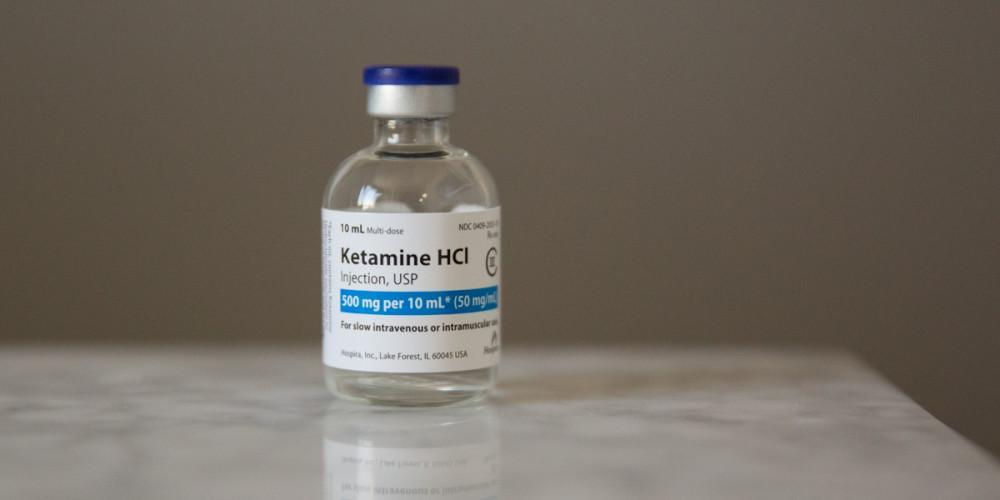



We often treat mental health like a software issue. We tell ourselves—or are told by well-meaning friends—to "change our attitude," "look on the bright side," or simply "toughen up." The assumption is that if we just run the right program, the glitches will disappear.
But for men dealing with Treatment-Resistant Depression (TRD), severe anxiety, or the deep ruts of burnout, the problem isn't the software. It’s the hardware. And understanding why requires looking at how your brain physically builds itself.
The Neurology of "Setting" the Concrete
Think of your brain’s neural pathways like pouring a driveway. When you are young, or when you are in a state of high learning and adaptability, the concrete is wet. It is malleable. You can shape it, smooth it, and redirect the flow easily.
However, the brain is an energy-saving machine. It craves efficiency. When you repeat a thought or an emotion—worrying about money, criticizing your own performance, feeling hyper-vigilant in crowds—your brain reinforces that specific pathway to make it faster next time.
Over years of chronic stress, trauma, or routine, these pathways stop being dirt roads and become superhighways. Eventually, the concrete cures. The structure hardens.
The "Default Mode" Trap
Neuroscientists link this rigid state to the Default Mode Network (DMN). This is the network in your brain that hums along when you aren't focused on a task; it’s the voice of your inner narrator. In healthy brains, the DMN is flexible. In depressed or anxious brains, the DMN becomes hyper-active and rigid.
This is why you can sit in therapy for years, intellectually understand your trauma, and yet feel zero physical relief. You are trying to reshape cured, reinforced concrete with a plastic spoon. The foundation is set, and no amount of willpower can bend stone.
Ketamine: The Biological Solvent
This is where Ketamine Therapy fundamentally differs from standard SSRIs (antidepressants). While pills manage serotonin (like adding oil to a car), Ketamine works on the engine block itself.
Biologically, Ketamine blocks NMDA receptors and triggers a massive surge of glutamate and Brain-Derived Neurotrophic Factor (BDNF). In our analogy, this surge acts as a powerful solvent. It induces a state of rapid neuroplasticity.
For a period following treatment—often lasting several days to weeks—Ketamine effectively turns that hardened concrete back into a semi-liquid state.
The Window of Opportunity
It is important to understand: Ketamine doesn't automatically pour a perfect new driveway for you. It simply makes the concrete wet again.
This creates a profound "Window of Opportunity." During this time, the rigid loops of negative thinking soften. The automatic "default" setting that keeps you stuck in the past is disrupted. This gives you the agency to smooth out the rough surface, fill in the cracks, and lay a new, level foundation.
If you introduce positive habits, therapy, and new behaviors while the concrete is wet, they actually stick. When the neural pathways "set" again, they set in the shape you designed, not the shape your stress designed for you.
Is It Time for a Remodel?
If you feel like you have been hammering away at the same wall with zero progress, it might be time to stop chipping and start pouring. We provide a medically monitored, clinical environment to help you safely hit the reset button.
📅 Book Your Initial Evaluation:[Insert Booking Link Here]
Your Questions Answered
Led by trained medical professionals delivering safe, effective, and scientifically backed aesthetic and wellness treatments.
Are there any side effects or risks with Bloodwork?
The risks of bloodwork are limited to the blood draw itself. Most people get nothing worse than a small bruise or brief soreness at the site, and some feel lightheaded or queasy during the draw, which is why we'll have you sit or lie down if you're prone to that. Rarely, a draw causes a larger bruise, a small clot in the vein, or a temporary nerve twinge in the arm. There's no risk from the testing itself, though results sometimes raise questions that need follow-up testing. Tell us ahead of time if you've had trouble with blood draws before.
Are there any side effects or risks with Medications?
Every medication has side effects, and we don't pretend otherwise. What you might experience depends entirely on which medication we're talking about, so Dr. Abdullah reviews the specific risks, interactions, and warning signs for anything he prescribes before you start. He also goes through your full medication list and health history, since interactions are where most avoidable problems come from. Some prescriptions require lab monitoring or scheduled follow-up, and we'll tell you which ones. If something doesn't feel right after you start, call us rather than waiting for your next visit.
Need More Information?
Our team is ready to answer your specific questions and concerns.