
Creatine: Not Just for Bodybuilders -- Why Everyone Should Be Taking It
Creatine is the most researched supplement in existence, and decades of evidence now support benefits that go well beyond athletic performance -- including improved working memory, protection against age-related muscle loss, cognitive support during sleep deprivation, and particular benefits for women during perimenopause and menopause. Dr. Farhan Abdullah explains the science behind creatine, who benefits most, how to take it correctly, and why it fits into a broader longevity and hormone optimization strategy at Magnolia Functional Wellness in Southlake. If you've been ignoring creatine because you thought it was just for bodybuilders, this article is worth your time.
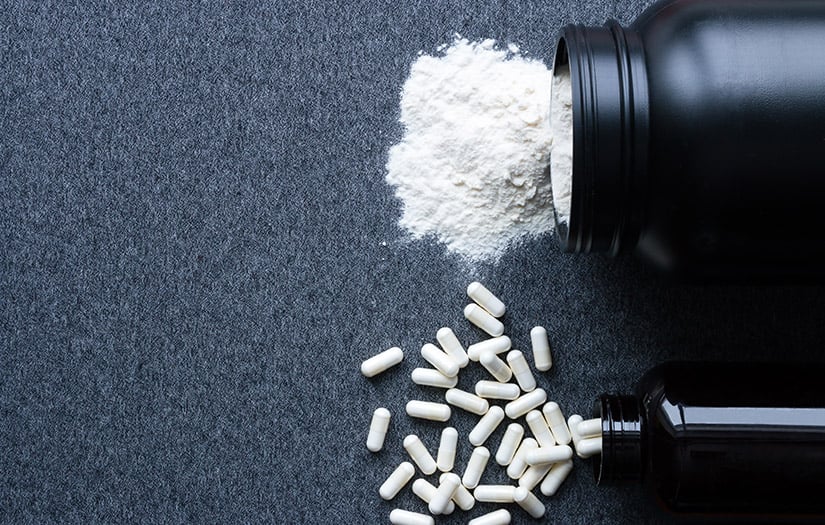


If you've dismissed creatine as a supplement for college guys trying to get jacked, I'd like to make a case for reconsidering that. Creatine is one of the most studied supplements in existence -- we're talking hundreds of randomized controlled trials -- and the evidence has expanded well beyond athletic performance into cognitive health, healthy aging, metabolic function, and disease prevention. It's inexpensive, safe, and the vast majority of people aren't taking enough of it. Let me explain why that matters.
I'm Dr. Farhan Abdullah, Medical Director at Magnolia Functional Wellness in Southlake, and I talk about creatine with patients across almost every category I treat -- from men optimizing their testosterone to women navigating perimenopause to older adults concerned about muscle loss. It's that broadly useful.
What Creatine Actually Does in Your Body
Creatine isn't a hormone or a drug. It's a naturally occurring compound your body makes from three amino acids -- arginine, glycine, and methionine -- primarily in the liver and kidneys. About 95% of your creatine is stored in skeletal muscle, with the remaining 5% in the brain and other tissues.
Its primary function is regenerating ATP -- adenosine triphosphate, the cellular currency of energy. When your muscles contract, they burn ATP rapidly. Creatine phosphate donates a phosphate group to regenerate ATP almost instantaneously, allowing you to sustain high-intensity effort longer before fatigue sets in. That's the classic athletic application.
But ATP isn't only needed in muscles. Your brain consumes roughly 20% of your body's total energy despite being only 2% of your body weight. Neurons are some of the most energy-hungry cells in existence. Creatine's role in ATP regeneration matters just as much in the brain as in a bicep -- which is why the cognitive applications are real, not marketing fluff.
The Muscle and Strength Case (Still Relevant)
Even if you're not a bodybuilder, preserving muscle mass as you age is one of the most important things you can do for your long-term health. Sarcopenia -- age-related muscle loss -- begins in your 30s and accelerates after 50. It's directly linked to metabolic disease, insulin resistance, falls, fractures, and all-cause mortality. Muscle isn't just cosmetic. It's metabolic infrastructure.
Creatine supplementation consistently improves strength and lean mass outcomes in resistance training, and this effect holds in older adults, not just young athletes. A meta-analysis of older adults found that creatine combined with resistance training produced significantly greater gains in lean mass and upper and lower body strength compared to exercise alone. For anyone in our testosterone replacement therapy program or women working on body composition through hormone optimization, adding creatine to a resistance training routine is one of the highest-return, lowest-cost additions you can make.
The Brain Benefits Are Real
This is the part most people haven't heard about, and it's where creatine research has gotten genuinely exciting over the past several years.
Studies show creatine supplementation improves working memory and processing speed, particularly in people who are sleep deprived or under cognitive stress. A 2023 study found that a single high dose of creatine reduced the cognitive impairment caused by sleep deprivation -- not through stimulation like caffeine, but by directly supporting brain energy metabolism.
For older adults, creatine supplementation has shown improvements in memory and cognitive function in multiple trials. There's also emerging research on creatine's potential role in concussion recovery and neuroprotection. The brain uses creatine in the same ATP-regenerating way muscles do, and as creatine stores naturally decline with age, so does that buffer.
Given how many of my patients come in complaining of brain fog -- whether it's from low testosterone, perimenopause, or just the general fatigue of modern life -- creatine is one of the first things I mention. It's not a cure for hormonal brain fog, but it's a legitimate support that costs about $20 a month.
Who Benefits Most
Women
Creatine research has historically been done primarily in men, but this is changing. Women have lower baseline creatine stores than men, which means they may actually see a larger relative benefit from supplementation. Creatine appears particularly beneficial for women during perimenopause and menopause, when the decline in estrogen accelerates muscle loss and cognitive changes. Some early research also suggests creatine may help with depressive symptoms -- a relevant finding given how much mood disturbance accompanies hormonal transitions.
Vegetarians and Vegans
Dietary creatine comes almost entirely from meat and fish. People who don't eat animal products have significantly lower baseline creatine stores and tend to show the most pronounced benefits from supplementation -- including cognitive improvements that are less striking in omnivores who are already getting dietary creatine.
Older Adults
Creatine stores decline with age. The combination of lower stores plus progressive muscle loss plus cognitive aging makes older adults one of the highest-priority populations for creatine supplementation. The safety data in older adults is excellent -- no adverse kidney effects in people with normal renal function, no concerning cardiovascular signals.
Anyone Under Significant Stress
Sleep deprivation, intense physical training, high cognitive load, and illness all deplete creatine faster. If your life involves any of these -- and whose doesn't -- your creatine stores are likely running lower than optimal.
How to Take It
Creatine monohydrate is the form with the most research behind it and it's what I recommend. Despite the marketing around fancier forms like creatine HCl or buffered creatine, none have demonstrated superiority in well-designed studies. Monohydrate is also the cheapest.
The standard dose is 3 to 5 grams per day. You don't need to do a loading phase -- it was originally recommended to saturate stores faster, but daily dosing reaches the same saturation in about a month and avoids the bloating some people experience during loading. Take it with food, timing doesn't matter much. Consistency matters far more than timing.
One thing that's worth knowing: creatine pulls water into muscle cells. This can cause a 1 to 2 pound increase on the scale in the first week or two that's pure intracellular water, not fat. It can also slightly elevate serum creatinine on labs, which can look alarming if your doctor doesn't know you're supplementing. Always mention it before bloodwork -- it's not a kidney problem, it's just creatine metabolism.
What This Connects To at Magnolia
At Magnolia Functional Wellness, we approach supplementation the same way we approach everything -- in the context of your full hormonal and metabolic picture. Creatine works better when testosterone is optimized. It works better when you're sleeping well and managing stress. It's one piece of a larger strategy, and for most people it's a piece that's missing. Our longevity medicine program incorporates evidence-based supplements like creatine as part of a comprehensive approach to healthy aging -- not as a standalone fix, but as part of the full picture.
Your Questions Answered
Led by trained medical professionals delivering safe, effective, and scientifically backed aesthetic and wellness treatments.
Is longevity medicine the same as anti-aging supplements?
No — and the distinction matters. The agents discussed on this page are FDA-approved medications or well-characterized pharmaceutical compounds used off-label with specific mechanistic targets, growing clinical evidence, and physician-supervised monitoring protocols. This is fundamentally different from the supplement industry, which sells products in the vocabulary of longevity science without the regulatory standards, manufacturing quality controls, or clinical oversight that prescription medicine involves. Rapamycin and dasatinib are prescription medications that require physician evaluation precisely because they have meaningful biological effects — which is also why they're worth taking seriously.
Are there any side effects or risks with Hormone Replacement Creams?
Hormone therapy carries genuine risks, and creams have one that's specific to them: transference. Until the cream fully dries, it can rub off onto a partner, a child, or a pet, which is why the application site and timing instructions matter so much. Other effects can include skin irritation where it's applied, acne, fluid retention, hair changes, mood changes, and in men a rise in red blood cell count that we track with labs. Absorption through skin varies a lot between people, so dosing takes some adjusting. Dr. Abdullah goes over your history, your monitoring plan, and the full risk picture before you start.
Why Does NAD Take Longer Than Other IVs?
NAD+ stimulates cells rapidly. To prevent an uncomfortable sensation known as a 'flush' or nausea, we must drip it slowly over 2–4 hours. This slow pace is a sign of a high-quality, high-dose treatment.
Need More Information?
Our team is ready to answer your specific questions and concerns.