
Pellets, Patches, Creams, or Pills: Which HRT Delivery Method Is Right for You?
Pills, patches, creams, gels, vaginal preparations, and pellets all deliver bioidentical hormones differently -- with different safety profiles, absorption patterns, and practical considerations that make some methods better suited to certain women than others. Dr. Farhan Abdullah walks through each option honestly, including why transdermal routes have better cardiovascular safety than oral estrogen, why topical progesterone creams are often unreliable, and why pellet therapy is frequently the preferred option at Magnolia Functional Wellness for women who want consistent hormone levels without a daily routine. The right delivery method depends on your labs, your lifestyle, and your physiology -- not a one-size-fits-all prescription.


One of the most common questions I get from women starting bioidentical hormone replacement therapy in Southlake isn't whether to do HRT -- by the time most of my patients get to that conversation, they've already made peace with the decision. The question is how. Pills? Cream? A patch? Pellets under the skin? Each delivery method has a genuinely different pharmacological profile, and choosing the wrong one for your lifestyle or physiology can mean the difference between feeling great and feeling just okay.
This isn't a case where one option is objectively best. It depends on your hormones, your lifestyle, your sensitivity, and your preferences. Let me walk through each one honestly.
Oral Hormones (Pills)
Oral estrogen was the dominant delivery method for decades and is still widely prescribed in conventional medicine. The upside is familiarity and convenience -- you take a pill, done. The downside is what happens to the hormone before it reaches your bloodstream.
When you swallow an oral estrogen pill, it gets absorbed through the gut and passes through the liver before entering circulation -- what's called the "first-pass effect." The liver metabolizes a significant portion of it, and in doing so, produces changes in liver proteins including clotting factors, C-reactive protein, and sex hormone binding globulin (SHBG). This is why oral estrogen carries higher risks of blood clots and cardiovascular complications compared to non-oral routes. It also tends to produce less stable blood levels, with peaks and troughs throughout the day.
Oral bioidentical progesterone (like Prometrium) is actually an exception here -- it's often preferred orally because the liver metabolism produces a mild sedative effect that can help with sleep, which is a common perimenopause complaint. So "avoid oral" isn't a blanket rule. It depends on which hormone and why.
Transdermal Patches
Patches deliver estrogen through the skin directly into the bloodstream, bypassing the liver entirely. This eliminates the first-pass effect and the associated clotting risk, which is why transdermal estrogen has a significantly better cardiovascular safety profile than oral estrogen. The evidence from studies like the E3N cohort and others is pretty consistent on this point.
Patches are changed every few days (typically twice weekly or weekly depending on the product). They're convenient once you get into the routine. The downsides are practical -- they can irritate skin at the application site, they can fall off with sweating or swimming, and some women find them aesthetically inconvenient. But for consistent, steady delivery with good safety data, patches are one of the most reliable options.
Topical Creams and Gels
Creams and gels are also transdermal, sharing the same liver-bypass advantage as patches. They're applied daily to thin-skin areas like the inner wrist, inner arm, or inner thigh. Many women prefer the flexibility -- there's no adhesive, no patch to manage, and the dose can be adjusted more easily than with patches.
The challenge with creams is absorption variability. How much hormone you actually absorb depends on skin thickness, hydration, application site, and whether you wash it off too soon. This can make blood level monitoring a little trickier. There's also a transfer risk -- if someone touches your skin before the cream dries, they can absorb the hormone. This matters if you have children or pets.
For progesterone specifically, topical creams are less reliable than oral or vaginal routes because progesterone doesn't absorb well through skin. Most of what's in a topical progesterone cream ends up sitting in fat tissue rather than reaching therapeutic blood levels. I'm cautious about topical progesterone for this reason -- the blood levels often look lower than the clinical effect warrants, and it can create a false sense of adequate dosing.
Vaginal Preparations
Vaginal estrogen (creams, rings, or suppositories) is used specifically for genitourinary symptoms -- vaginal dryness, atrophy, pain during sex, and recurrent UTIs. Because it acts locally with minimal systemic absorption, it can be used by women who aren't candidates for systemic HRT, including some breast cancer survivors. It doesn't treat hot flashes or systemic symptoms, but for genitourinary menopause syndrome specifically, it's highly effective and has an excellent safety profile.
Hormone Pellets
Pellet therapy is what I offer most frequently through our women's hormone optimization program in Southlake, and I want to explain why without overselling it.
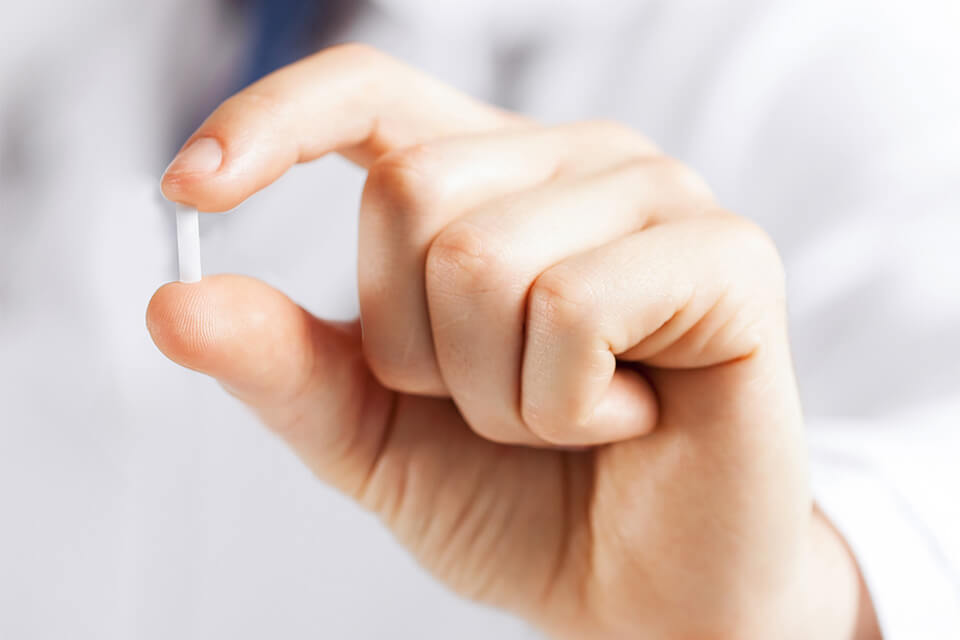
Pellets are small, compressed cylinders about the size of a grain of rice. They're inserted just under the skin -- typically in the upper buttock area -- through a tiny incision under local anesthetic. The procedure takes about 5 minutes. The pellet then dissolves slowly over 3 to 6 months, releasing a steady, consistent stream of bioidentical estradiol and/or testosterone directly into the bloodstream.
The primary advantage is physiological consistency. There are no daily peaks and troughs, no patches to change, no cream to apply and wait to dry. Your hormone level stays stable the way it would with a functioning ovary producing hormones continuously. A lot of patients describe this as feeling more "even" -- no good days and bad days tied to when they last applied their cream.
The limitations are real too. Once the pellet is inserted, you can't easily adjust the dose if there's a problem -- you have to wait for it to dissolve. Over-dosing, while uncommon with proper dosing protocols, is harder to reverse than with other methods. And the procedure, while minor, is still a procedure. It's not for everyone.
How We Decide What's Right for You
Honestly, the delivery method conversation comes after the labs conversation. We start with a comprehensive hormone panel, assess your symptoms, review your health history and risk factors, and then discuss which delivery method fits your life. A woman who travels constantly and can't manage daily cream application is a better pellet candidate than someone who's home-based and disciplined about a daily routine. A woman with skin sensitivity might do better with a gel than a patch.
There's no universal right answer, which is exactly why the "your doctor prescribed Premarin and that's what you get" era of hormone therapy was inadequate. Good women's hormone therapy in Southlake is individualized -- in the hormones used, the doses prescribed, and the delivery method chosen.
Your Questions Answered
Led by trained medical professionals delivering safe, effective, and scientifically backed aesthetic and wellness treatments.
Will Hormone Creams Rub Off On My Family?
Safety is our priority. We teach you to apply creams to covered areas (like the inner thigh) and to wash your hands immediately after. When followed, these protocols make the risk of transfer near zero.
Can You Feel Hormone Pellets?
ou may feel a small bump for the first few weeks, but as the pellets dissolve, they become undetectable. Most patients forget they are even there within a few days.
What are bioidentical hormones?
Bioidentical hormones are chemically identical to the hormones your body produces naturally. Unlike synthetic hormones, which can have different molecular structures and side effects, bioidentical hormones are metabolized by your body as if they were your own, generally offering a safer and more effective profile.
Need More Information?
Our team is ready to answer your specific questions and concerns.