
Hot Flashes at 3am: The Science Behind the Surge and the Solutions That Work
Hot flashes are caused by destabilization of the hypothalamic thermoregulatory center when estrogen drops -- specifically, hyperactivation of KNDy neurons that narrow the thermoneutral zone and trigger disproportionate heat-dissipation responses to tiny temperature changes. Dr. Farhan Abdullah explains this mechanism clearly, why night sweats create a compounding hormonal sleep cycle, what the evidence shows for estrogen therapy (most effective, 90%+ response) and the new non-hormonal fezolinetant option, and why women shouldn’t accept severe hot flashes as something to simply endure.
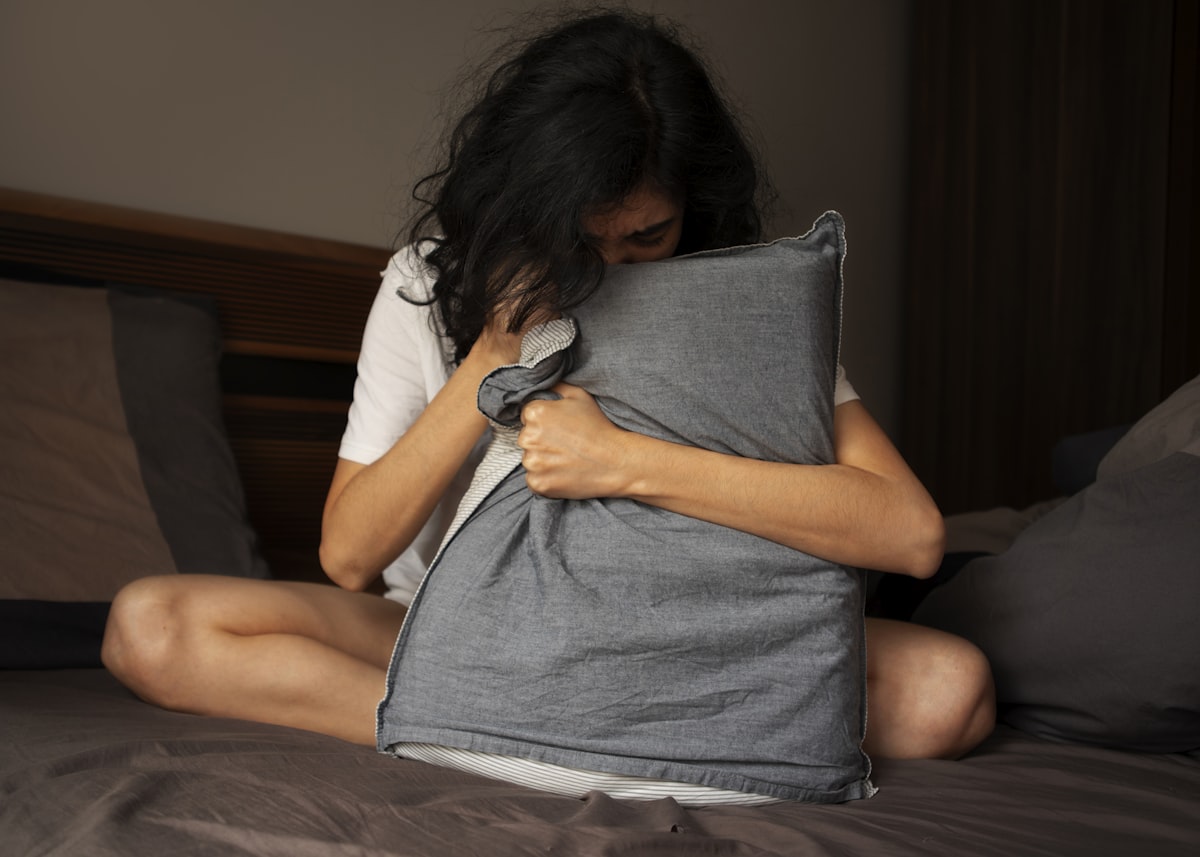


It's 3am. You wake up drenched. Your heart is racing. The room feels like a furnace even though your partner insists it's fine. You throw off the covers, you cool down in ten minutes, and then you're wide awake, slightly cold now, wondering if this is going to happen again tomorrow night. It will. And the night after that.
Hot flashes are the most universally recognized symptom of menopause, experienced by an estimated 75% of menopausal women, and despite being so common they're remarkably poorly understood by the women who have them and by some of the physicians treating them. Let me explain what's actually happening.
I'm Dr. Farhan Abdullah at Magnolia Functional Wellness in Southlake.
The Mechanism: It's Not Just "Low Estrogen"
The oversimplified explanation is that estrogen drops and hot flashes happen. The actual mechanism is more interesting and more treatable once you understand it. The hypothalamus contains a thermoregulatory center -- your body's internal thermostat -- that maintains core body temperature within a narrow range. Estrogen helps stabilize this thermostat and keeps the "thermoneutral zone" (the range of temperatures your body tolerates without triggering heat loss mechanisms) appropriately wide.
When estrogen drops, this thermoregulatory system becomes destabilized. Neurons in the hypothalamus that produce a peptide called kisspeptin/neurokinin B/dynorphin (KNDy neurons) become hyperactive without estrogen's suppressive input. These neurons project to the thermoregulatory center and essentially narrow the thermoneutral zone to almost nothing -- meaning tiny upward fluctuations in core temperature that your body would normally ignore now trigger a full heat-dissipation response: peripheral vasodilation (the flush), sweating, and the sensation of intense heat. The response is disproportionate to the actual temperature change because the thermostat has lost its calibration.
Why Night Sweats Are Specifically Disruptive
Night sweats aren't just hot flashes that happen to occur at night. The nighttime hormonal environment -- lower cortisol, changes in norepinephrine as sleep stages cycle -- creates specific conditions that trigger KNDy neuron activation more readily. Hot flashes that interrupt sleep at 3am are compounding a broader hormonal problem: sleep disruption raises cortisol, cortisol suppresses estrogen production further, and the worsened hormonal environment creates more hot flashes. Another vicious cycle, similar to the sleep-testosterone relationship in men.
What Actually Works
Estrogen replacement is the most effective treatment for hot flashes, with response rates well above 90% and typically dramatic improvement within the first two to four weeks of therapy. This isn't controversial -- it's one of the most consistent findings in menopausal medicine. Transdermal estradiol (patch, gel, or spray) is preferred over oral estrogen for its more stable blood levels and more favorable cardiovascular risk profile.
For women who can't or won't take estrogen, newer options have emerged. Fezolinetant (Veozah), FDA-approved in 2023, is a neurokinin B receptor antagonist that specifically targets the KNDy neuron pathway -- blocking the very mechanism I described above. It's non-hormonal and has shown significant hot flash reduction in clinical trials. It's particularly relevant for women with hormone receptor-positive breast cancer history who can't use estrogen.
Our women's HRT program at Magnolia Functional Wellness addresses hot flashes in the context of your full hormonal picture -- estrogen, progesterone, testosterone, thyroid, and adrenal function. Hot flashes that don't respond to standard estrogen doses sometimes have a thyroid or adrenal component that needs to be addressed simultaneously. The full evaluation catches those cases that a single prescription doesn't.
What You Should Not Accept as Normal
Hot flashes that wake you up multiple times per night and significantly affect your sleep and daily function are not something to just endure because "it's menopause." They're treatable, the treatments are effective, and the sleep disruption they cause has real downstream health consequences. If your physician has told you to wait it out, a second opinion is warranted.
Your Questions Answered
Led by trained medical professionals delivering safe, effective, and scientifically backed aesthetic and wellness treatments.
Need More Information?
Our team is ready to answer your specific questions and concerns.