
Fear of Needles? What Regenerative Procedures Actually Feel Like
Needle fear is far more common than most people admit, and it keeps plenty of patients from care they'd benefit from. Dr. Farhan Abdullah walks through what a PRP visit really feels like, how numbing and positioning help, and when a needle-free option may fit at Magnolia Functional Wellness in Southlake.
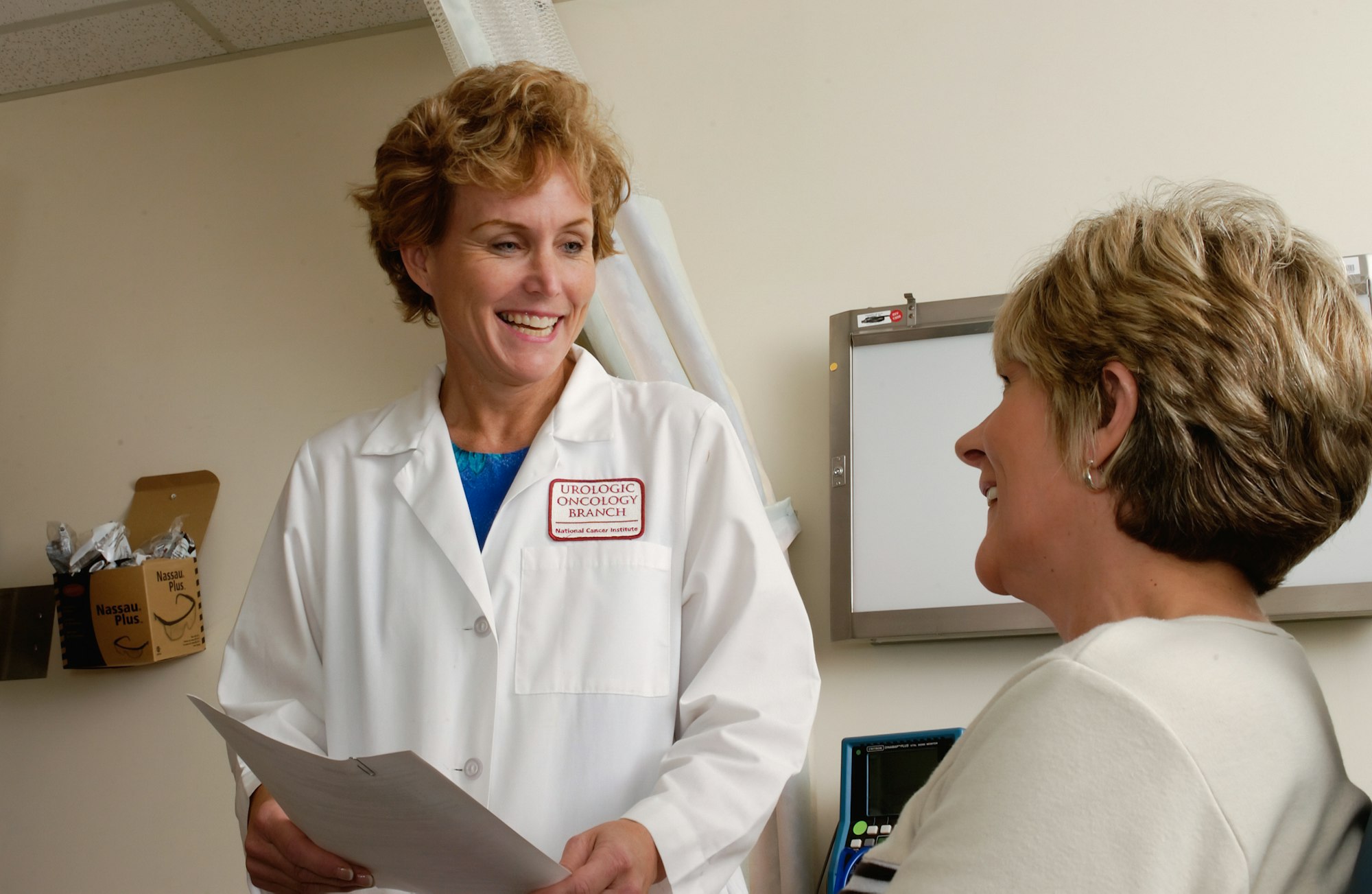


Let's get something out of the way first. If the thought of a needle makes your palms sweat, you're in good company. I've watched linebackers go pale at a routine blood draw, and I've had marathon runners ask me, very quietly, whether they could look at the ceiling the whole time. Nobody should feel embarrassed about that. It's one of the most common reasons people put off treatment they'd otherwise benefit from.
I'm Dr. Farhan Abdullah, an internal medicine physician, and I run Magnolia Functional Wellness here in Southlake, TX. A good chunk of what we do involves regenerative care, which means PRP injections, IV therapies, and procedures that, yes, involve needles. With Halloween a week away and everybody joking about scary things, it felt like a fitting time to talk honestly about the one thing that scares people most before a regenerative procedure: how it's actually going to feel.
By Dr. Farhan Abdullah, DO | Medical Director, Magnolia Functional Wellness | Southlake, TX
Needle Fear Is Common, and It's Not a Character Flaw
A lot of patients apologize to me for being nervous. I tell them the same thing every time: you don't owe anyone an apology, and you're not unusual. A systematic review and meta-analysis by McLenon and colleagues, published in the Journal of Advanced Nursing in 2019, pulled together 119 studies on the topic. Needle fear showed up in roughly 20 to 30 percent of young adults, it was more common in women than men, and it decreased with age. The researchers also found that 16 percent of adult patients avoided flu vaccination because of needle fear, and the rate climbed to 27 percent among hospital employees.
A larger, more recent look at adults tells a similar story. In a 2022 international survey of 2,098 adults, Alsbrooks and Hoerauf, writing in PLoS One, found that 63.2 percent of respondents reported some degree of needle phobia. The two most common reasons were general anxiety and the fear of pain. More than half of the people with needle phobia said they'd avoided blood draws. And here's the part that stuck with me: most had never sought any help for it, and the ones who'd told a nurse or a doctor rated that provider's response as only moderately helpful.
That last finding is on us, the clinicians. If you tell someone you're scared and they respond with "it's just a little pinch," they've missed the point. The fear isn't about the size of the pinch. It's about losing control, about anticipating pain, about a body that reacts before your rational brain gets a vote. Some people feel lightheaded or even faint, and that's a real physiological response, not weakness. Knowing that changes how we plan the visit.
One more thing from that survey is worth repeating. When asked what would help, people pointed to smaller needles, distraction, relaxation techniques, and less invasive alternatives. None of that is exotic. We can do most of it in a regular exam room, and we do.
Walking Through a PRP Visit, Step by Step
PRP, or platelet-rich plasma, is the regenerative procedure most people ask me about when they're nervous, so let's use it as the example. Fear tends to shrink when you know exactly what's coming, so here's the sequence.
First, we talk. Before anything touches your skin, we go over what we're treating, what to expect, and what you're worried about. If needles are the worry, say so out loud. It shapes everything that follows, from how you're positioned to what we do about numbing.
Second comes the blood draw. It's the same kind of draw you'd get at any lab, usually from a vein in the arm, and for most people it's the part they remember least. A small amount of blood goes into a collection tube, and then it's over. If your veins are tricky or you tend to get woozy, you can lie down for this part. I'd rather you recline for five minutes than spend the next hour worrying about passing out.
Third, while the blood is being processed in a centrifuge, we prepare the treatment area. This is where comfort gets decided. Depending on where we're treating, we may apply a topical numbing cream well ahead of time, and for joints and tendons we can use a local anesthetic so the injection itself is less noticeable. Numbing isn't a luxury add-on. It's part of doing the procedure thoughtfully.
Fourth, the injection. Once the platelet-rich plasma is ready, it's placed into the area we're treating. The whole thing usually takes a few minutes. Then you rest briefly, we go over aftercare, and you head home.
What It Actually Feels Like
I won't tell you it feels like nothing, because that wouldn't be true and you'd stop trusting me. Here's the honest range. For the blood draw, most people feel a brief sting and then a little pressure. For the injection, the sensation depends on the location. A joint injection with numbing in place is usually described as pressure and fullness more than pain. Some people say it feels like multiple small needle sticks, and that's accurate. Scalp treatments tend to sting more than a knee injection does, because the scalp has a lot of nerve endings and not much padding. Sexual health applications use topical numbing applied well in advance, and most patients report pressure rather than pain.
The surprise for most people is that anticipation turns out to be worse than the real thing. I hear this constantly, usually right as someone sits up afterward and says, "That's it?" It isn't universal, and some people do find it unpleasant. But the dread beforehand is almost always larger than the discomfort during.
Afterward, the picture is simple. You may have soreness, swelling, or a little bruising at the injection site. For many people that settles within a couple of days. With joint and tendon treatments, it's common to feel more sore for a few days before things start to improve, and that's a normal part of the body responding to the treatment. We'll also ask you to avoid anti-inflammatory pain relievers like ibuprofen and naproxen around the time of treatment, since they can blunt the response we're trying to encourage. We'll walk you through exactly what to take and what to skip. If you want a deeper look at how PRP works for joint and tendon problems, our PRP injections page covers it.
IV Visits, and Other Needle-Light Options
Not every regenerative-type visit involves an injection into a joint. Some involve an IV, which is a small flexible tube placed in a vein, usually in the forearm or hand. The insertion feels like a quick pinch, and after that the needle comes out and only the soft tube stays in place. Most people tell me the IV itself is far less bothersome than they expected, and the rest of the visit is spent sitting in a chair, scrolling through your phone or catching up on a podcast.
If needles are a hard no for you, and I've met people for whom they truly are, there are other tools worth knowing about. SoftWave therapy, for instance, is delivered through an applicator held against the skin. There's no needle and no puncture. Patients describe a series of firm taps over the area, sometimes tender over the sore spots, and most go back to their day right after. It's not a replacement for every injection-based treatment, and it's not right for every condition, but for certain tendon and soft tissue problems it's a real option. You can read about it on our SoftWave therapy page.
I'll add a caution here, because I'd rather be straight with you. The treatment that fits your problem should be chosen based on your problem, not purely on how much a needle bothers you. If an injection-based approach is the better match, we'll tell you that, and then we'll work on making it tolerable. If a needle-free option is a reasonable fit, we'll tell you that too.
How We Make It Easier
These are the things that make the biggest difference in my experience. None of them require special equipment.
Tell us at the start. Not at the moment the needle comes out. Ahead of time, when we can adjust the plan. If you've fainted before, mention it. If you've had a bad experience with blood draws, mention that too.
Lie back. Reclining dramatically lowers the chance of feeling faint. For some patients, it's the single most useful trick we have.
Look away, and give your brain something else to do. Slow breathing, counting backward, listening to music, chatting with the medical assistant. Distraction isn't a gimmick. The survey I mentioned found that people consistently picked it as one of the most helpful approaches.
Ask about numbing. Topical cream takes time to work, so we apply it early. Local anesthetic is an option for deeper areas. Asking for it isn't being dramatic. It's good medicine.
Eat something beforehand and hydrate. This matters more than people think, especially in Texas, where you can sweat out half your fluids just walking across the Southlake Town Square parking lot. A low blood sugar or a dry system makes lightheadedness more likely.
Bring someone if it helps. Having a spouse or friend in the waiting room can calm the nerves, and you may want a ride home anyway depending on the treatment.
Who Should Talk to Us First
Needle fear on its own isn't a reason to avoid regenerative care, but a few situations deserve a conversation before we schedule anything. If you take blood thinners, have a bleeding or clotting disorder, have a history of fainting with procedures, or have a medical condition that changes how you heal, I want to know before we plan the visit. Those factors can change which treatment makes sense and how we go about it. And if your fear of needles is severe enough that it's keeping you from getting medical care you need, please say so. That's a legitimate health issue, and there are people who treat it well.
I'd also gently point out that regenerative treatments aren't magic and results vary from person to person. Whether it's worth enduring a few minutes of discomfort depends on what you're hoping to get out of it, and we'll talk about that honestly, including when a different approach or a surgical opinion would serve you better.
So if the needles are the thing standing between you and finally doing something about that knee, that shoulder, or that nagging problem you've been working around for two years, I'd encourage you to come in and just talk. No commitments, no pressure. At Magnolia Functional Wellness in Southlake, a nervous patient is a normal Tuesday, and a conversation about what to expect is where we always start.
Your Questions Answered
Led by trained medical professionals delivering safe, effective, and scientifically backed aesthetic and wellness treatments.
Does PRP hurt?
The blood draw is identical to a standard lab draw — minimal discomfort. The injection itself varies by site. Joint injections are performed with topical or local anesthetic to minimize discomfort during the procedure. Scalp injections involve some stinging during administration that most patients find very tolerable. Sexual health applications (P-Shot, O-Shot) use topical numbing cream applied well in advance. After the procedure, some soreness, swelling, or bruising at the injection site is normal and typically resolves within 2–5 days. For joint injections, you may notice a temporary increase in soreness for a few days before improvement begins — this is a normal inflammatory response to the PRP activation. Overall, PRP is well-tolerated. The majority of patients describe it as comparable to a standard injection at the doctor's office — not comfortable, but entirely manageable.
Is PRP painful?
Topical anesthesia applied before the procedure makes the injections tolerable for the overwhelming majority of patients. Some describe mild to moderate discomfort during injection — comparable to multiple small needle sticks, which is accurate — but most find it less uncomfortable than anticipated. Local anesthetic injection for patients who want additional comfort is available. Post-procedure scalp tenderness is common for 24–48 hours and resolves without treatment.
Can I get PRP and IV exosomes in the same treatment plan?
Yes, and for some patients that combination makes a lot of sense. At Magnolia Functional Wellness in Southlake, we sometimes pair a targeted PRP injection into the problem joint with an IV exosome session aimed at your whole system. Whether we do both, one, or neither depends on what we find when we examine you, not on a package decided before you walk in the door.
What if I tend to faint when I get a blood draw or an injection?
Tell us before we start, because it's far easier to plan for than to react to. At Magnolia Functional Wellness in Southlake, I'll have you lie back for the draw or injection, since reclining makes lightheadedness much less likely. Eating something and drinking water beforehand helps too, and we'll go at whatever pace keeps you comfortable.
I'm really afraid of needles. Can I still have a regenerative procedure?
Often, yes, and you're far from the only nervous patient I see. At Magnolia Functional Wellness in Southlake, we talk through every step before we begin, use numbing where it's appropriate, and let you take breaks. For some conditions a needle-free option like SoftWave may be a reasonable fit, and I'll tell you honestly which approach suits your problem.
Need More Information?
Our team is ready to answer your specific questions and concerns.