
Active Kids, Injured Joints: Regen Options for Young Athletes
When a young athlete gets hurt, parents want a fast fix. But a growing body isn't a small adult body. Dr. Farhan Abdullah explains why conservative care comes first, where SoftWave and PRP actually fit, and why stem cell hype has no place in youth sports medicine.


By Dr. Farhan Abdullah, DO | Medical Director, Magnolia Functional Wellness | Southlake, TX
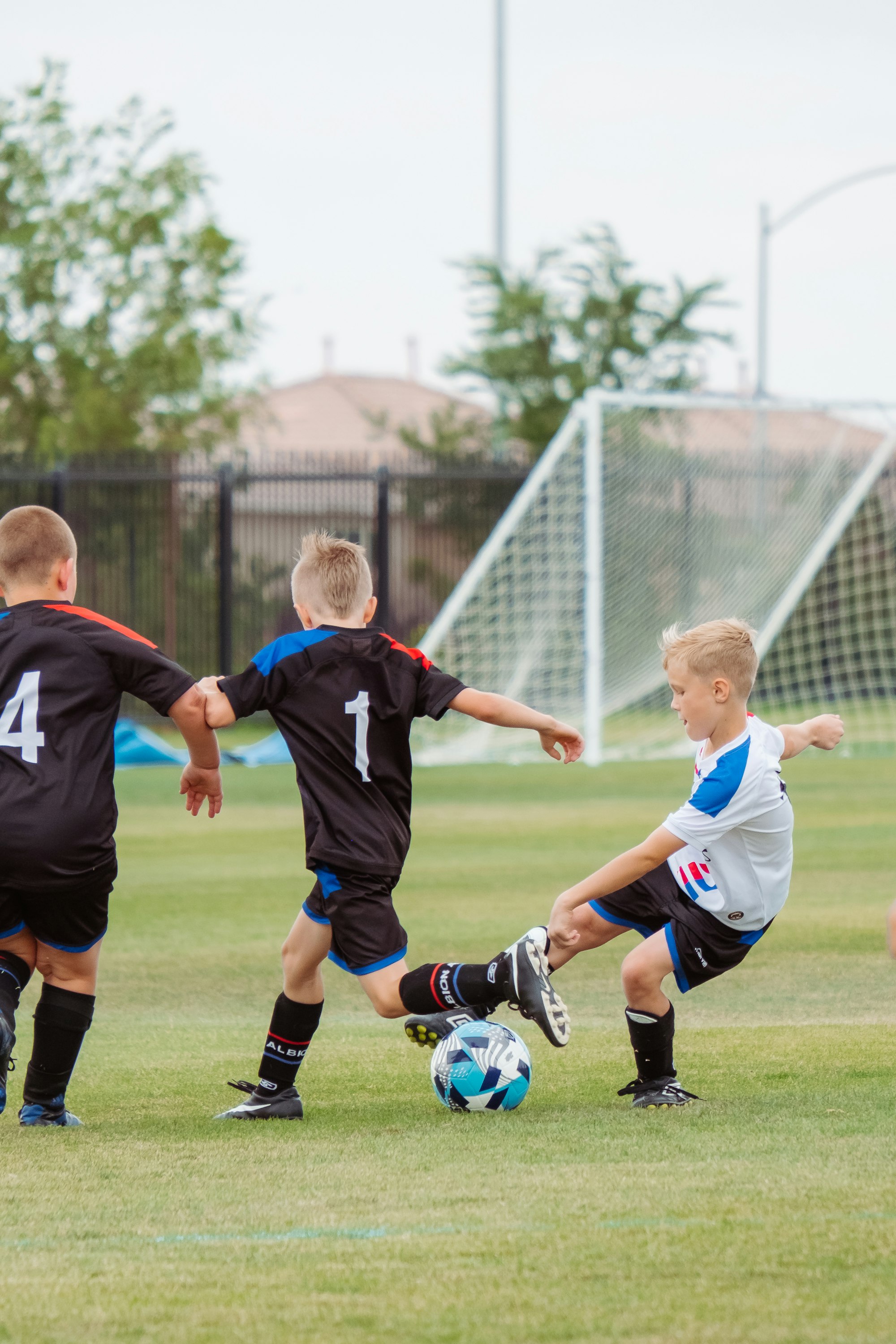
It's late August in Southlake, which means two things are true at once. The fields at Bob Jones Park are full again, and my schedule starts filling with worried parents and their sore, stubborn teenagers. Select soccer is back. Two-a-day football practices are grinding through the Texas heat. Volleyball tryouts are underway. And somewhere in all that, a 14-year-old lands wrong, or a cross-country runner's knee starts aching on every stride, and a parent asks me the question I hear every fall: is there something we can do to fix this faster?
I get it. When your kid is a competitive athlete, an injury isn't just an injury. It's missed games, a spot on the roster, maybe a scholarship dream sitting in the back of everyone's mind. So when parents hear about regenerative medicine, about PRP and stem cells and shockwave therapy, they want to know if those tools can get their young athlete back on the field. It's a fair question, and I want to answer it honestly, because a young, growing body is not a small adult body, and the rules are different.
At Magnolia Functional Wellness, I treat plenty of active people, from weekend warriors to serious competitors. But when the patient is 13, 15, or 17, my first job is to slow the conversation down. Let's talk about why.
Young Athletes Break in Different Places
Here's something a lot of parents don't realize. A child or teenager who's still growing has open growth plates, the soft cartilage zones near the ends of bones where new bone is still being laid down. Those growth plates are often weaker than the tendons and ligaments attached nearby. In an adult, a hard yank on a tendon might tear the tendon. In a still-growing kid, that same force can pull at the growth plate instead.
That's why young athletes get injuries adults rarely see. Think of the classics. Osgood-Schlatter disease, that painful bump below the kneecap that flares in growing runners and jumpers. Sever's disease at the heel. Little League elbow and shoulder from too much throwing. These aren't torn-up adult tendons. They're growth-related overuse problems, and they respond to a completely different playbook.
The other big driver is specialization. When I was a kid, you played a different sport every season. Now I see 12-year-olds playing one sport year-round, same motion, same joints, no offseason. That relentless repetition is exactly what overloads a developing skeleton. A lot of what walks into my office in the fall isn't bad luck. It's a training calendar with no rest built into it.
So when a parent asks about a quick regenerative fix, my first thought usually isn't which injection to reach for. It's what's actually going on in this specific growing body, and is the real problem a tissue that needs healing or a schedule that needs changing?
Conservative Care Isn't the Boring Option, It's the Right One
I know "rest and physical therapy" sounds unsatisfying when you came in hoping for something high-tech. But for the large majority of young athletes, conservative care isn't a consolation prize. It's the treatment that actually works, and the evidence backs that up.
Take Osgood-Schlatter, which for years got waved off as a harmless growing pain that kids simply outgrow. A 2025 national cohort study out of Denmark, published in Sports Med by Krommes and colleagues, followed people from adolescence into adulthood and found that a history of Osgood-Schlatter was associated with more knee trouble down the road than the old "they'll grow out of it" story suggested. That doesn't mean panic. It means these conditions deserve real attention, real load management, and enough patience to let the tissue settle, rather than pushing a kid to play through pain because there's a tournament this weekend.
Conservative care for a young athlete usually means a few things working together. Relative rest, which is not the same as sitting on the couch for three months. Smart activity modification, so we offload the angry tissue while keeping the rest of the body strong. Targeted physical therapy to fix the movement patterns and strength gaps that caused the problem in the first place. And honest conversations about training volume, because sometimes the most powerful prescription I can write is one fewer practice a week.
This is where I'll push back on parents, gently but firmly. The goal isn't to get your kid back this Friday. It's to make sure they're still playing in three years, and still walking without knee pain in thirty.
Where Regenerative Options Fit, and Where They Don't
So does regenerative medicine ever have a role for a younger athlete? Sometimes, in the right situation, with the right patient, and with clear-eyed expectations. But the honest framing matters more here than almost anywhere else in my practice.
Start with the least invasive tool. SoftWave shockwave therapy uses focused acoustic waves to stimulate healing in tendons and soft tissue without any needle, injection, or downtime. Because it's noninvasive, it's often a more comfortable fit for an older adolescent with a stubborn tendinopathy who has already put in the physical therapy work and isn't turning the corner. It's not a magic wand, and it's not for every problem, but the risk profile is low and that counts for a lot when the patient is young.
Injectable biologics are a bigger conversation. Platelet-rich plasma, which we make from the patient's own blood, is used in adults for certain tendon and joint problems. You can read how we think about it on our PRP injections page. But in a skeletally immature athlete, I'm far more cautious. The pediatric evidence is thin, the growth plates add complexity, and I'm not willing to extrapolate adult data onto a growing child just because a treatment is trendy. When PRP does come up for a teenager, it's usually an older adolescent, near skeletal maturity, with a specific diagnosis that hasn't responded to everything more conservative, and always after a real discussion about what we do and don't know.
And stem cell or exosome products? For a growing young athlete, I'll be blunt. That's not where I go. These are investigational, they're not FDA-approved for these uses, and the burden of proof for using an experimental biologic in a child should be very high. Anyone marketing stem cell injections as a routine sports-recovery tool for kids is getting way ahead of the science, and I won't be part of that.
What the Evidence Says, and What It Doesn't
Let me show you how I actually read the research, because this is the part that keeps me honest. There's genuinely interesting work on biologics for tendon problems in athletes. A rigorous 2021 randomized study in the American Journal of Sports Medicine by Rodas and colleagues compared bone marrow stem cell injections against leukocyte-poor PRP for chronic patellar tendinopathy, the jumper's knee that plagues so many volleyball and basketball players. Both groups improved, which tells us biologic approaches can do something real for a tough tendon problem.
But look closely, because the details are where good medicine lives. That study was done in adults, with chronic, well-defined tendon damage, under careful imaging and controlled conditions. It does not tell me that the same injection is right for a 15-year-old whose knee has been sore for three weeks. Extrapolating from a controlled adult trial to a growing kid is exactly the kind of leap that gets patients hurt and gets clinics in trouble. The evidence is a starting point for a conversation, not a green light for a syringe.
That's the whole game with young athletes. The research can guide us toward what's plausible, but the decision has to account for the growth plates, the age, the specific diagnosis, and what the family actually wants for this kid's long-term health. A study is data. Your child is a person.
How We Approach a Young Athlete at Magnolia
When a parent brings a hurting teenager into my Southlake office, here's roughly how it goes. We start with a real history and exam, not a rush to treatment. What's the sport, the position, the training load, the timeline? Where exactly does it hurt, and when? Are there red flags, like night pain, a limp, or a joint that's giving way, that mean we need imaging or a referral to a pediatric orthopedic specialist before anything else?
For most young athletes, the plan that comes out of that visit is conservative and specific. Offload the injured tissue. Fix the strength and mechanics with focused therapy. Adjust the training calendar so we're not repeating the same overload. Give the growing body the one thing it actually needs, which is time. And then we reassess, because a young body that's guided well tends to heal remarkably.
For the smaller group where a low-risk tool like SoftWave makes sense, we'll talk it through as a family, with clear expectations. And in the rare case where an injectable biologic even enters the discussion, it's with an older adolescent, a firm diagnosis, and a frank accounting of the evidence. I'd rather send a family home with a boring, effective plan than a flashy, unproven one.
The Bottom Line for Southlake Parents
Your young athlete's body is still being built. That's the single most important fact to hold onto when the injuries start piling up in the fall. The good news is that most youth sports injuries heal well with patience, smart rehab, and a training schedule that respects a growing skeleton. Regenerative medicine has real and growing uses, but for kids it belongs at the careful, conservative end of the spectrum, chosen case by case, never sold as a shortcut.
If your son or daughter is dealing with a nagging injury that isn't getting better, and you want a physician who'll give you a straight answer about what actually helps a growing athlete, that's the conversation we have every week at Magnolia Functional Wellness here in Southlake. Sometimes the most valuable thing I can offer a young athlete isn't a treatment at all. It's permission to rest, and a plan to come back stronger.
Your Questions Answered
Led by trained medical professionals delivering safe, effective, and scientifically backed aesthetic and wellness treatments.
Is my teenage athlete too young for PRP or regenerative injections?
In most cases, yes, at least for the injections. A still-growing athlete has open growth plates and the pediatric evidence is thin, so at Magnolia Functional Wellness in Southlake we lead with rest, physical therapy, and training changes. When PRP is even considered, it's usually an older teen near skeletal maturity whose problem hasn't responded to conservative care, and only after an honest talk about what we do and don't know.
How is a growing athlete's injury different from an adult's?
A young athlete's growth plates are often weaker than the nearby tendons, so the same force that tears an adult's tendon can strain a child's growth plate instead. That's why kids get conditions like Osgood-Schlatter that adults simply don't. We treat those very differently, and it's exactly the distinction I walk families through at Magnolia Functional Wellness in Southlake.
Can SoftWave shockwave therapy help my young athlete?
It can, for the right problem. SoftWave is noninvasive, with no needle and no downtime, so for an older adolescent with a stubborn tendon issue that hasn't cleared with physical therapy, it's often a reasonable low-risk step. We always talk it through as a family first at Magnolia Functional Wellness in Southlake and set honest expectations about what it can and can't do.
Should my child play through the pain to finish the season?
Usually not. Pushing a growing athlete through pain for one more tournament can turn a manageable overuse injury into a longer-lasting problem. My goal isn't just this Friday's game, it's making sure your kid is still playing in a few years. At Magnolia Functional Wellness in Southlake, that long view guides every plan we build for a young athlete.
Need More Information?
Our team is ready to answer your specific questions and concerns.