
Heat Waves and Dehydration Risks on GLP-1s
GLP-1 medications like semaglutide and tirzepatide quietly turn down your thirst signal, and a Texas heat wave can turn that into real dehydration. Dr. Farhan Abdullah of Magnolia Functional Wellness in Southlake explains how these drugs change fluid balance, when dehydration threatens your kidneys, and the practical steps that keep summer weight loss safe.
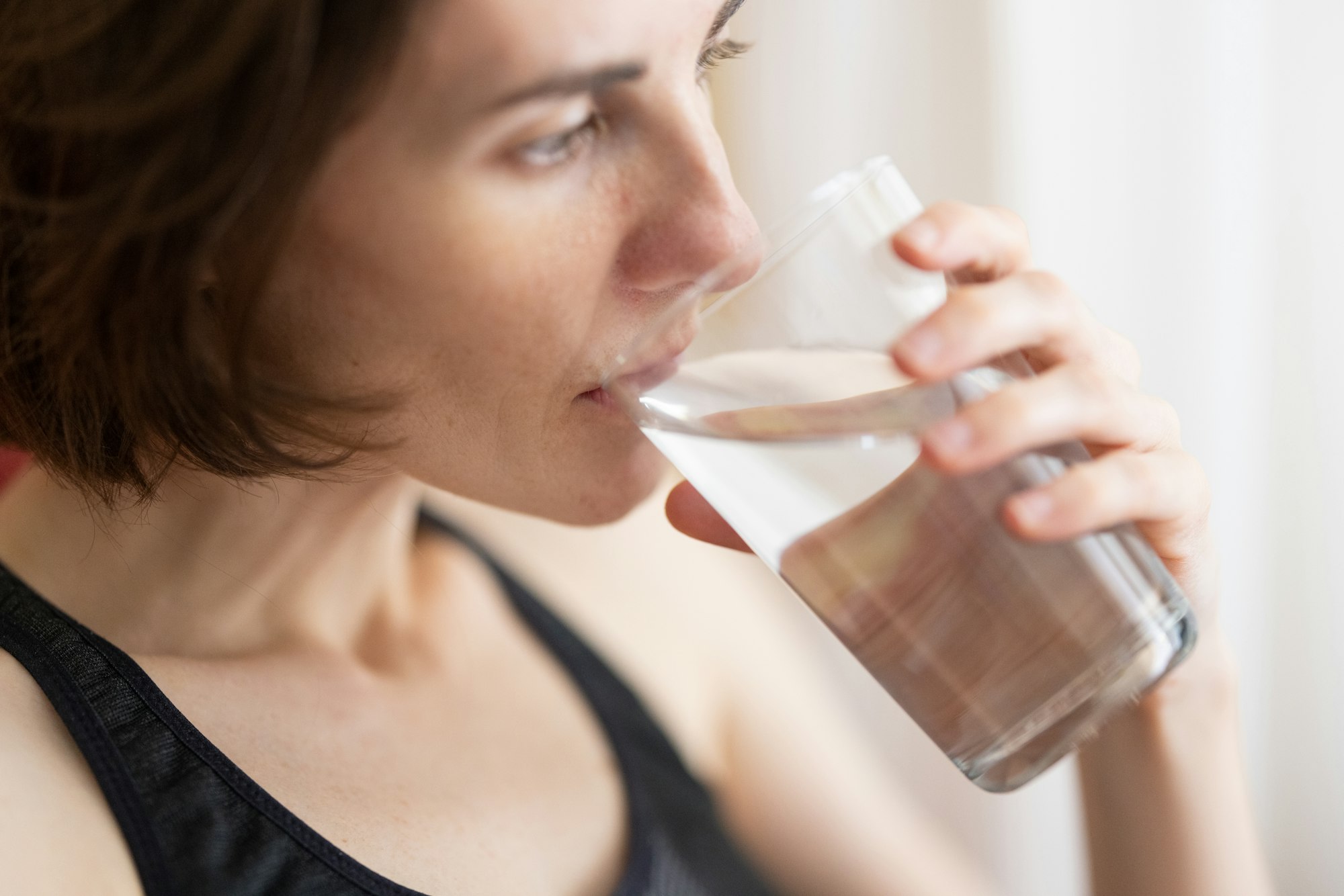


Every July, right around the time the thermometer at Southlake Town Square starts flirting with triple digits, I get a wave of the same phone call. A patient feels dizzy standing up. Their heart is racing after a walk they've done a hundred times. They're a little foggy, a little wiped out, and they can't figure out why. Nine times out of ten, they're on a GLP-1 medication like semaglutide or tirzepatide, and nine times out of ten, the culprit isn't the drug failing them. It's dehydration, quietly stacking on top of a North Texas heat wave.
I'm Dr. Farhan Abdullah, and I run Magnolia Functional Wellness here in Southlake. A big part of my practice is medically supervised weight loss, which means I've had a front-row seat to what these medications do beautifully and where they trip people up. The heat conversation is one I have constantly from June through September, because Texas summers don't forgive small mistakes. When you combine a medication that blunts your thirst and appetite with an environment that pulls water out of you all day long, you get a setup that deserves respect.
So let's talk about why GLP-1s and heat waves are a tricky pairing, what the actual risks are, and the specific things I ask my patients to do so they can keep losing weight without ending up lightheaded in the Kroger parking lot.
Why GLP-1 Medications Change Your Fluid Balance
Here's the part most people never hear when they start these medications. GLP-1 receptor agonists don't just quiet appetite. They slow down how fast your stomach empties, and they turn down the volume on the hunger and thirst signals your brain sends. That's part of why they work so well for weight loss. You eat less because food feels less urgent. But thirst runs on some of the same circuitry, and when appetite goes quiet, thirst often goes quiet with it.
Think about how you normally stay hydrated. A huge chunk of your daily water doesn't come from a glass. It comes from food. Fruit, vegetables, soup, even a sandwich carry water into your body. When you're eating meaningfully less, which is exactly the point of a GLP-1, you're also taking in a lot less water without realizing it. Now layer on the classic side effects. Nausea, occasional vomiting, and loose stools all drain fluid and electrolytes. Most patients tolerate these medications well, especially when we titrate the dose slowly, but even mild, occasional GI symptoms add up over a hot week.
The math gets uncomfortable fast. You're drinking less, eating less water-rich food, possibly losing some through your gut, and then you step outside into 102 degrees and start sweating out another liter or two. Your body has fewer reserves to draw from, and the warning system that would normally scream "drink something" has been turned down. That's the gap I worry about. It's not that the medication is dangerous. It's that it removes a safety cue right when you need it most.
The Real Risk: When Dehydration Hits Your Kidneys
Let me be clear about something, because I don't want anyone reading this to panic and toss their pen in a drawer. Serious complications from GLP-1s are uncommon, and for the vast majority of people these are remarkably safe medications. But the risk that's worth understanding is what happens when dehydration gets bad enough to stress your kidneys.
Your kidneys need adequate blood flow to filter waste. When you're significantly volume depleted, that flow drops, and the kidneys can take a hit. In medicine we call it acute kidney injury, and while it usually reverses with fluids, it can be serious enough to land someone in the hospital. This isn't theoretical. A well-documented case report published in Pharmacotherapy by Kaakeh and colleagues described a patient on liraglutide who developed weeks of worsening GI symptoms, became severely dehydrated, and progressed to acute kidney injury requiring hospitalization and dialysis before recovering (Kaakeh et al., 2012). More recently, a 2025 case report in the American Journal of Case Reports by Almansour described acute kidney injury in a patient after rapid tirzepatide dose escalation, where dehydration from gastrointestinal side effects, combined with other medications, was a likely contributor (Almansour, 2025).
What do these cases have in common? Two things jump out. First, the trouble usually built up over time from GI symptoms that weren't addressed early. Second, other factors stacked the deck, like fast dose escalation or additional medications. That second point matters a lot in Texas summers, because so many of my patients are also on blood pressure medications. Some of those, particularly diuretics, ACE inhibitors, and ARBs, can amplify dehydration's effect on the kidneys. Add a heat wave and you've got several risk factors pulling in the same direction. This is exactly why I want to know every medication a patient takes before we start, and why I check in during the hottest stretch of the year.
Warning Signs Worth Taking Seriously
You don't need to memorize a medical textbook. Just learn to notice a handful of signals. Dark yellow urine or going hours without needing to urinate. Dizziness or lightheadedness when you stand up. A racing heart at rest. Headache, muscle cramps, or unusual fatigue that a normal day wouldn't explain. Dry mouth that water doesn't seem to fix. If you're vomiting or having diarrhea and can't keep fluids down for more than a few hours in the summer heat, that's not a "wait and see" situation. That's a call-your-doctor situation.
How I Coach Patients Through a Texas Summer on GLP-1s
The good news is that almost all of this is preventable with a little structure. What I tell my patients at Magnolia isn't complicated, it just requires being intentional, because your body won't nag you the way it used to.
Start with a real hydration target instead of "drink when you're thirsty," because thirst is the exact signal your medication has muted. I generally aim my patients toward roughly half their body weight in ounces of water per day as a baseline, then more on days they're outdoors or active. For a 180-pound person that's about 90 ounces to start. On a triple-digit day spent at a kid's baseball tournament out at Bob Jones Park, that number climbs. The trick is front-loading. Drink a big glass first thing in the morning before the day gets away from you, and keep a bottle visible so it becomes a habit rather than an afterthought.
Water alone isn't the whole answer, though. When you're sweating heavily or dealing with any GI symptoms, you're losing electrolytes too, and pounding plain water can actually dilute your sodium in a way that makes you feel worse. I like an electrolyte packet or a low-sugar hydration mix once or twice a day during the hot months, especially before or after time outside. Salt your food a little more than usual in summer if your blood pressure allows it. And keep an eye on protein and overall intake, because eating too little compounds the fatigue that dehydration already causes.
Timing your outdoor activity helps more than people expect. In July and August, I ask patients to move their walks and yard work to early morning or after sunset, and to genuinely respect the middle of the day. If you feel off, get into air conditioning and rehydrate before pushing through. For patients who are struggling to catch up, or who've had a rough stretch of GI symptoms, in-office IV hydration therapy can rapidly restore fluids and electrolytes, which is sometimes the fastest way to reset someone who's fallen behind. It's a tool I reach for when oral hydration alone isn't cutting it.
Who Needs to Be Extra Careful
Some patients carry more risk than others, and it's worth knowing where you fall. Older adults hold onto less water to begin with and often have a blunter thirst response, so a GLP-1 stacks on top of an existing vulnerability. Anyone with reduced kidney function, a history of kidney stones, or heart failure needs closer monitoring. And as I mentioned, people on diuretics or blood pressure medications sit in a higher-risk bucket during heat waves. If you work outdoors, whether that's construction, landscaping, or coaching sports in the DFW summer, you're sweating far more than someone in an office, and your hydration plan has to reflect that reality. None of these situations is a reason to avoid the medication. They're reasons to be deliberate and to stay in close contact with whoever is managing your care.
Dose, Timing, and the Value of Supervision
A lot of dehydration trouble traces back to one thing: moving up in dose too fast. Both of the case reports I mentioned involved aggressive escalation. The side effects that drive fluid loss, the nausea and GI upset, tend to spike right after a dose increase. So my rule of thumb, especially heading into or during the hottest part of summer, is that we don't rush titration. If you're tolerating your current dose and losing weight, there's rarely a reason to jump ahead of schedule just to hit a number faster. Slow and steady keeps side effects manageable and keeps you hydrated.
This is also where working with a physician instead of ordering pills from a website that never asks about your other medications makes a real difference. When I know you're on a diuretic for blood pressure, I can plan around it. When I know you've had kidney issues in the past, I monitor differently. When you tell me you're spending the weekend at the lake in August, I can tell you exactly how to prepare. That context is the whole point of supervised care, and it's why I put so much weight on it. If you want to understand how physician-supervised GLP-1 treatment actually works, I've written more about our approach in our DFW GLP-1 weight loss guide.
None of this should scare you away from a class of medications that has genuinely changed what's possible in weight management. GLP-1s are effective, and for most people they're safe when used thoughtfully. The heat just raises the stakes on a habit you'd want to build anyway. Drink deliberately, replace your electrolytes, respect the Texas sun, and don't power through symptoms your body is trying to flag. Do those things, and summer becomes just another season of progress rather than a reason to worry. If you're on a GLP-1 and feeling the heat here in Southlake, or you're thinking about starting one and want it done right, that's exactly the kind of planning we handle every day at Magnolia Functional Wellness.
By Dr. Farhan Abdullah, DO | Medical Director, Magnolia Functional Wellness | Southlake, TX
Your Questions Answered
Led by trained medical professionals delivering safe, effective, and scientifically backed aesthetic and wellness treatments.
Can I leave my semaglutide or tirzepatide in a hot car?
No, and this is the mistake I see most. A parked car in the Texas summer can climb past 130 degrees in under an hour, which is well into the range that destroys these peptides. If you're stopping somewhere, the pen comes inside with you. At Magnolia Functional Wellness in Southlake, we'd rather you bring it in than risk a ruined dose.
When should I increase my GLP-1 dose?
The short version is when you've truly stalled at your current dose for three to four weeks, your appetite control has clearly faded, and you're tolerating the medication well with no lingering nausea. If the medication is still quieting your appetite and the scale is slowly creeping down, there's usually no reason to move up. At Magnolia Functional Wellness in Southlake, we make that call together based on your weight trend, your hunger, and your side effects, not a fixed calendar.
How much water should I drink on a GLP-1 during a Texas summer?
A reasonable starting point is roughly half your body weight in ounces of water a day, then more on any day you're outside or sweating. The catch is that GLP-1s quiet your thirst signal, so you can't wait until you feel thirsty. At Magnolia Functional Wellness in Southlake we tell patients to front-load water in the morning and add an electrolyte packet on hot days, because plain water alone doesn't replace the sodium you lose sweating.
Can dehydration from a GLP-1 hurt my kidneys?
It can, though serious cases are uncommon. When you get significantly dehydrated, blood flow to your kidneys drops, and that can lead to acute kidney injury. The reported cases usually involve prolonged nausea, vomiting, or diarrhea that wasn't addressed early, often stacked with other medications like diuretics. That's exactly why we monitor hydration and your full medication list at Magnolia, especially during the hottest months.
What are the warning signs I'm getting dehydrated on my weight loss medication?
Watch for dark urine or not needing to urinate for hours, dizziness when you stand, a racing heart at rest, headache, muscle cramps, or dry mouth that water doesn't fix. If you're vomiting or have diarrhea and can't keep fluids down for a few hours in the summer heat, don't wait it out. Call your doctor. We'd rather hear from you early at Magnolia Functional Wellness than see you end up in the ER.
Need More Information?
Our team is ready to answer your specific questions and concerns.