
Getting Back in Routine: Meal Planning for Fall
Summer wrecks everyone's eating routine, and fall is the best chance all year to rebuild it. Dr. Farhan Abdullah shares a realistic, protein-first meal-planning framework for getting your nutrition and your weight back on track, plus why planning matters even more if you're on a GLP-1 medication. From Magnolia Functional Wellness in Southlake.
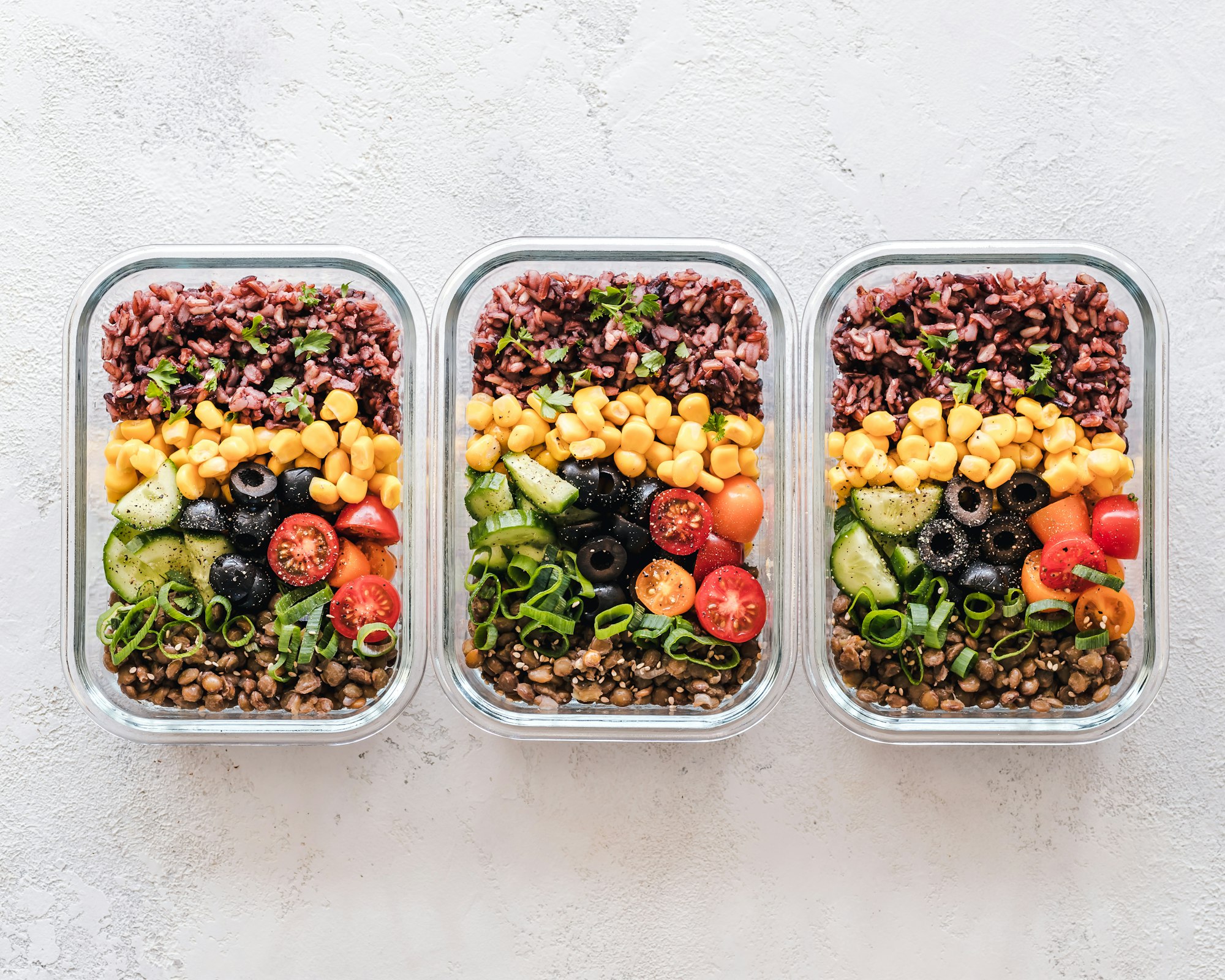


Something happens to our eating between Memorial Day and Labor Day, and I don't think anyone is immune to it. The schedule goes sideways. Kids are home, vacations scramble the week, dinner becomes whatever's fast at nine o'clock after a day at the lake, and the ice cream truck starts feeling like a personal enemy. By late August, a lot of my patients walk in a little sheepish, a few pounds up, wondering how the good habits they had in the spring evaporated. If that's you, I want to reframe it. Fall isn't the season you fell off. It's the best reset you'll get all year.
I'm Dr. Farhan Abdullah, and at Magnolia Functional Wellness in Southlake I've watched this seasonal rhythm play out with hundreds of patients. The ones who get back on track in September aren't more disciplined than everybody else. They just stop relying on willpower and start relying on a plan. Meal planning sounds boring, I know. But it's quietly one of the most powerful things you can do for your weight, and fall is the moment it comes easiest.
Why Fall Is the Best Reset of the Year
There's a reason New Year's resolutions mostly fail and September habits mostly stick. Structure. When the kids go back to school and the calendar snaps into a predictable shape, your days get scaffolding again. There are set wake-up times, set pickups, a Friday night football rhythm, practices at Bob Jones Park that put dinner at a knowable hour. That predictability is exactly what eating well depends on, far more than motivation does.
Summer asks you to improvise every meal, and improvising is where diets die. Fall hands you a routine on a plate. Cooler mornings make it easier to move. Fall produce is genuinely good right now, squash and greens and roasting vegetables that actually taste like something. And there's a psychological gift in the season too: it feels like a fresh start without the pressure and self-recrimination that January drags along with it. Use that. The wind is at your back in September in a way it simply isn't in the dead of winter.
The Case for Actually Planning Your Meals
Here's where I'll get slightly evangelical, because the evidence is better than people expect. Meal planning isn't just a productivity hack. It's associated with measurably better health outcomes. A 2017 study in the International Journal of Behavioral Nutrition and Physical Activity by Ducrot and colleagues, drawing on a very large sample of French adults, found that people who planned their meals ate a more varied and higher-quality diet and were less likely to be obese or overweight. Planners simply ended up eating better, and it showed up on the scale.
Why would something so mundane matter so much? Because most poor food choices aren't really choices. They're defaults you fall into when you're hungry, rushed, and staring into a fridge with no plan. Decision fatigue is real, and by six p.m. after a full day, your willpower tank is close to empty. When the plan is already made and the food is already prepped, you've taken the hardest decision off the table at the exact moment you're least equipped to make it well. You're not fighting temptation. You're just heating up dinner.
What I tell patients is that planning converts a hundred small, depleting decisions each week into about three good ones you make on a calm Sunday afternoon. That's the whole trick. Front-load the thinking so the weeknights run themselves.
Build the Plate Around Protein First
If you plan nothing else, plan your protein. I say this to nearly every patient, and it's the single change that moves the needle most. Protein is the most satiating macronutrient, it costs your body more energy to digest, and critically, it protects the muscle you need to keep your metabolism humming while you lose fat.
The research here is solid. A 2012 meta-analysis of randomized controlled trials in the American Journal of Clinical Nutrition by Wycherley and colleagues found that higher-protein, energy-restricted diets preserved more lean body mass and produced greater fat loss than standard-protein diets. Muscle is metabolically expensive tissue, and holding onto it is a big part of why some people lose weight and keep it off while others rebound. Protein at every meal is how you defend it.
Practically, I ask people to aim for a palm-sized portion of protein, roughly 25 to 40 grams, at every meal, and to build the rest of the plate around it rather than the other way around. Eggs or Greek yogurt at breakfast instead of a bagel. A real protein at lunch instead of a sandwich that's mostly bread. Fall makes the dinner easy: a roasted chicken, a pot of chili, a sheet pan of salmon and vegetables. Start with the protein, add fiber-rich vegetables and a smart carbohydrate, and you've got a plate that keeps you full for hours instead of leaving you rummaging through the pantry at nine.
A Realistic Fall Meal-Planning Framework
I'm not going to hand you a rigid seven-day menu, because those get abandoned by Wednesday. What works is a repeatable system loose enough to survive real life. Here's the version I give patients, and it takes about an hour a week.
- Pick a planning window. Sunday afternoon for most people, whenever the week goes quiet for you. Look at the actual calendar. Which nights are you home? Which are a scramble between practices and games? Plan around your real week, not an idealized one.
- Choose three or four dinners, not seven. You'll eat leftovers, you'll go out once, and life will blow up one night. Planning for seven perfect dinners guarantees you feel like a failure. Three or four is honest and it holds.
- Batch the proteins. Roast a couple of chickens, brown a big batch of ground turkey, hard-boil a dozen eggs. When the protein is already cooked, assembling a meal takes minutes and the healthy option becomes the lazy option, which is exactly what you want.
- Default your breakfasts and lunches. These don't need variety, they need to be automatic. Pick two breakfasts and two lunches you genuinely like and rotate them. Boring and consistent beats exciting and abandoned every time.
- Shop the season. Fall produce is cheap, plentiful, and good. Squash, sweet potatoes, Brussels sprouts, apples, hearty greens. Roast a big tray of vegetables and you've got sides for three days. The Southlake farmers market is worth a Saturday stop while the weather's nice.
That's it. It isn't fancy, and it isn't supposed to be. The goal is a system so low-effort that you keep doing it in November when the novelty has worn off and the Cowboys game is on.
If You're on a Weight Loss Medication, Planning Matters Even More
For patients on a GLP-1 medication like semaglutide, meal planning stops being optional and becomes part of the treatment. These medications work by quieting appetite, and they work well. In the 2021 New England Journal of Medicine trial by Wilding and colleagues, participants on semaglutide lost close to 15 percent of their body weight. But that appetite suppression is a double-edged sword. When you're only mildly hungry, it's easy to eat too little, skew toward soft carbohydrates, and shortchange your protein, which is how people end up losing muscle along with the fat.
Planning solves this. When your protein is prepped and portioned, you'll actually eat it even on a day your appetite is low, because it's right there and it's easy. Without a plan, low appetite plus no prepared food equals a few crackers and a handful of nothing, and then a nutrient gap that shows up as fatigue and muscle loss weeks later. The patients who do best on these medications treat their prepped protein as non-negotiable, hunger or not. Fall, with its built-in structure, is the ideal season to build that habit before the holidays test it.
Start Small This Week
You don't have to overhaul everything by Monday. Pick one thing. Plan three dinners this week and batch-cook one protein on Sunday. See how much lighter your weeknights feel when the hardest decision is already made. Then add the next piece. Habits built one layer at a time in September are the ones still standing at Thanksgiving.
At Magnolia Functional Wellness in Southlake, nutrition isn't a lecture we deliver once and forget. It's the daily scaffolding that makes everything else, medication included, actually work. If you've had a rough summer and you're ready to use the fall reset properly, that's a conversation worth having. The season is on your side. Let's take advantage of it.
By Dr. Farhan Abdullah, DO | Medical Director, Magnolia Functional Wellness | Southlake, TX
Your Questions Answered
Led by trained medical professionals delivering safe, effective, and scientifically backed aesthetic and wellness treatments.
How much protein should I eat while taking weight loss medication?
<p>I recommend 0.7 to 1.0 grams of protein per pound of your ideal body weight daily, which works out to roughly 80 to 130 grams for most patients. Protein should be the first thing on your plate at every meal. When your appetite is suppressed and portions are small, protein shakes can help fill the gap. Combined with resistance training two to three times per week, adequate protein intake is the best way to preserve muscle mass during GLP-1 mediated weight loss.</p>
How much protein should I eat on a GLP-1 if I'm barely hungry?
I usually aim for about 1.0 to 1.5 grams per kilogram of body weight, which lands around 80 to 120 grams a day for most patients. When your appetite's low, the trick is small protein-forward portions spread through the day rather than big meals. At Magnolia Functional Wellness in Southlake we'll set a target based on your labs and body composition.
How long does it take to see results from Semaglutide?
Most patients notice appetite changes — less food noise, smaller portions feeling like enough — within the first one to two weeks, often while still at the 0.25mg starting dose. Meaningful weight change usually shows up over 8 to 12 weeks as the dose is titrated upward. Individual results vary based on starting metabolic status, dose tolerance, protein intake, and activity level. At Magnolia Functional Wellness we run comprehensive labs at baseline, track body composition rather than scale weight alone, and see you on a real follow-up schedule, so your timeline is measured rather than guessed.
Will a GLP-1 like semaglutide fix how I feel about my body?
<p>A GLP-1 will quiet the constant food noise and help with the metabolic work, and that frees up real mental bandwidth. But it won't, on its own, silence an inner critic that's been running since middle school. The medication handles the physiology. The mirror is a separate project. Anyone selling you a shot as a cure for how you feel about yourself is overpromising, and I'd rather tell you that honestly here in Southlake.</p>
Need More Information?
Our team is ready to answer your specific questions and concerns.